Proximity sensors are integral components in modern electronic devices, enabling touchless interaction, power saving, and enhanced user experiences. The MS series of proximity sensors, known for their high sensitivity and low power consumption, are widely used in smartphones, tablets, IoT devices, and industrial applications. Programming these sensors effectively requires understanding their operational principles, communication protocols, and integration techniques. This guide provides a comprehensive overview of MS proximity sensor programming, covering essential steps from initialization to advanced configuration.
MS proximity sensors typically operate based on infrared (IR) or capacitive sensing technology. They detect the presence or absence of an object within a specific range without physical contact. The sensor outputs a digital or analog signal, which a microcontroller or processor interprets to trigger actions such as screen dimming, gesture recognition, or automatic shutdown. Key parameters include detection distance, response time, and environmental compensation, all of which can be programmed via software.
To begin programming an MS proximity sensor, developers must first establish communication. Most MS sensors use I2C (Inter-Integrated Circuit) or SPI (Serial Peripheral Interface) protocols for data exchange. For I2C, set the correct slave address and clock speed in the microcontroller's firmware. For SPI, configure the chip select, clock polarity, and phase settings. Initialization involves writing to configuration registers to set the sensor's operating mode, such as continuous or single-shot measurement, and adjust sensitivity thresholds. Example code snippets in C or Python can simplify this process, but always refer to the specific sensor's datasheet for register maps and timing requirements.
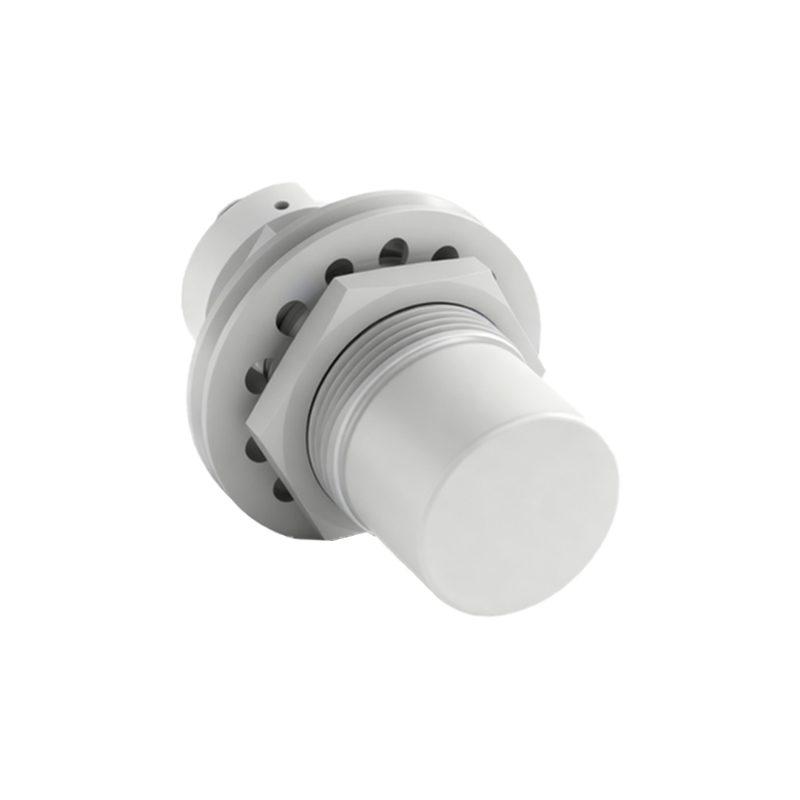
Calibration is a critical step in MS proximity sensor programming. Environmental factors like ambient light, temperature, and reflective surfaces can affect accuracy. Implement calibration routines during device startup or periodically during operation. This may involve reading baseline values in a known "no object" state and storing them in non-volatile memory. Dynamic calibration algorithms can adapt to changing conditions, improving reliability. For instance, in a smartphone, the sensor might recalibrate when the device is placed on a flat surface, ensuring consistent performance during calls.
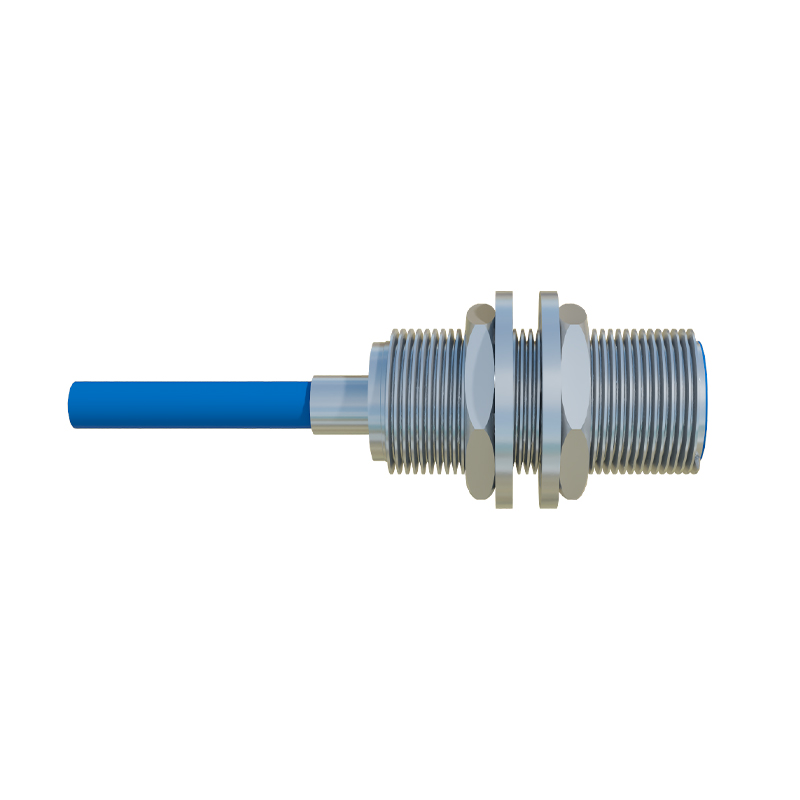
Advanced programming techniques enable features like gesture detection and multi-level proximity sensing. By analyzing signal patterns over time, developers can distinguish between simple proximity events and complex gestures like swipes or taps. This requires configuring interrupt modes to reduce CPU load and implementing filtering algorithms to eliminate noise. Power management is another consideration; programming the sensor to enter low-power sleep modes when idle can significantly extend battery life in portable devices.
Integration with operating systems or frameworks, such as Android or embedded Linux, often involves writing or modifying device drivers. In Android, for example, the Hardware Abstraction Layer (HAL) and kernel drivers must be updated to support the sensor's data output. Use standard APIs like Android Sensor Framework to ensure compatibility with applications. Testing is essential—validate sensor behavior under various conditions using oscilloscopes or logic analyzers to verify signal integrity.
Common challenges in MS proximity sensor programming include interference from other electronic components, limited detection range, and software latency. To mitigate these, follow best practices like proper PCB layout (e.g., keeping sensor away from noise sources), firmware debouncing, and real-time tuning. Open-source libraries and community forums can provide valuable insights for troubleshooting.
In summary, programming MS proximity sensors demands a blend of hardware knowledge and software skills. By mastering communication protocols, calibration methods, and optimization strategies, developers can unlock the full potential of these sensors for innovative applications. As technology evolves, staying updated with manufacturer guidelines and industry standards will ensure robust implementations.