In industrial automation and control systems, magnetic proximity sensors are indispensable components for non-contact detection of ferromagnetic objects. A fundamental and frequently asked question by design engineers and maintenance personnel is: "How far can a magnetic proximity sensor reliably detect its target?" The answer, as is often the case in engineering, is not a single number but a nuanced discussion dependent on several interrelated factors. This article delves into the core principles governing sensing distance and provides practical guidance for selection and application.
The primary determinant of a magnetic proximity sensor's effective range is the strength of the magnetic field it generates and the target's ability to disturb it. Most industrial magnetic sensors operate on the reed switch or Hall-effect principle. A reed switch sensor contains two ferromagnetic reeds sealed in a glass tube. When an external magnetic field (from a permanent magnet actuator) approaches, the reeds magnetize, attract each other, and close the contact. Hall-effect sensors, being solid-state, produce a voltage signal when exposed to a magnetic field. For both types, the sensing distance is specified as the "nominal sensing distance (Sn)." This is a theoretical value under standardized conditions: a defined actuator material (typically mild steel), size, and approach method.
However, the real-world sensing distance can vary significantly from Sn. Key influencing factors include:
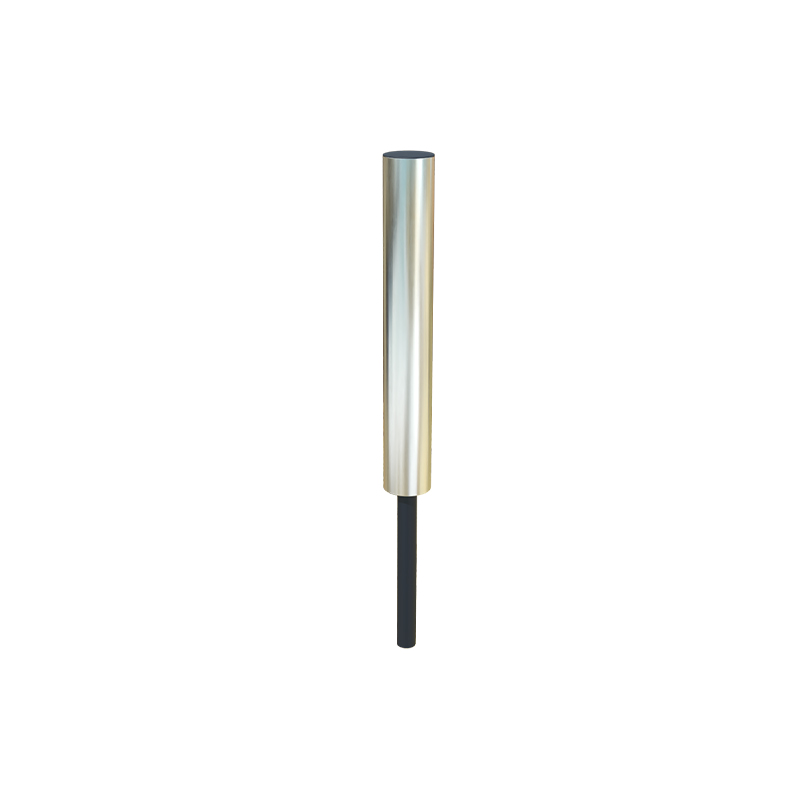
1. Actuator Characteristics: The size, shape, and material of the target magnet or vane are paramount. A larger actuator with a stronger magnetic field will increase the effective sensing distance. Standardized actuator sizes are often recommended by sensor manufacturers. The material grade of the magnet (e.g., Alnico, Ferrite, Neodymium) drastically changes field strength. Neodymium magnets offer the greatest range for a given size.
2. Sensor Type and Technology: Reed switch sensors generally offer shorter sensing distances, typically ranging from 5mm to 40mm, depending on the magnet. Hall-effect and magnetoresistive sensors can achieve longer ranges, sometimes up to 100mm or more with powerful magnets, and provide more precise switching points.
3. Approach Direction: The sensing distance is maximized when the actuator approaches the sensor's active face along the longitudinal axis of its magnetic field. Axial and lateral approach configurations yield different effective distances, as detailed in sensor datasheets.
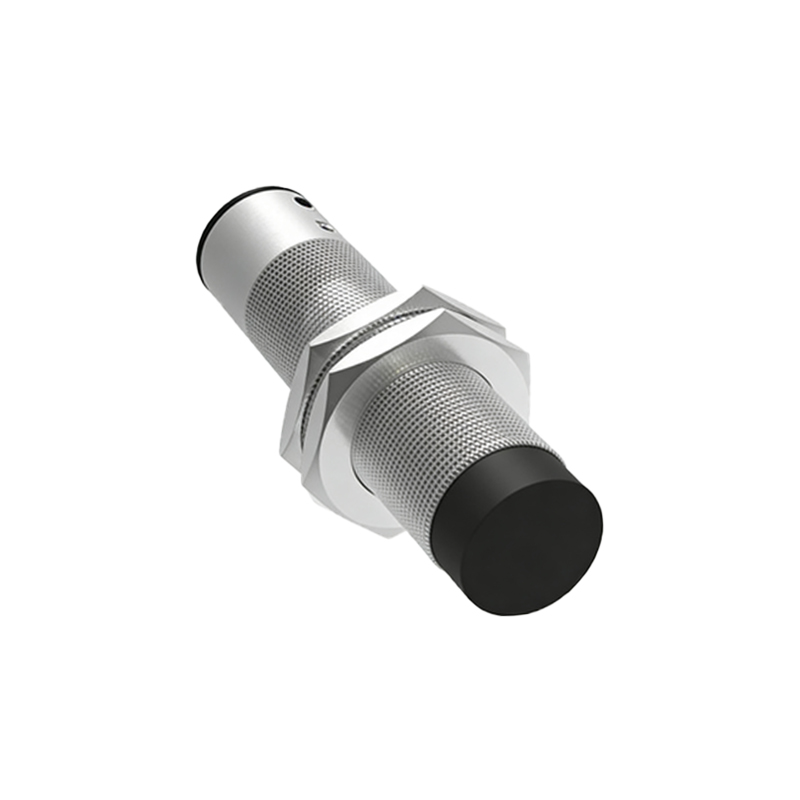
4. Environmental Conditions: Extreme temperatures affect both the sensor's internal components and the actuator magnet. High temperatures can demagnetize certain magnet types, reducing field strength and effective range. Strong external magnetic fields or ferrous metal debris in the vicinity can also interfere with sensor operation.
5. Electrical Characteristics and Hysteresis: All proximity sensors incorporate hysteresis—a difference between the switch-on and switch-off points. This prevents chatter when the target is at the critical detection edge. While not directly reducing the maximum detection range, hysteresis is a crucial design consideration for ensuring stable operation in dynamic applications.
To optimize sensing distance and ensure reliable operation, follow these strategies:
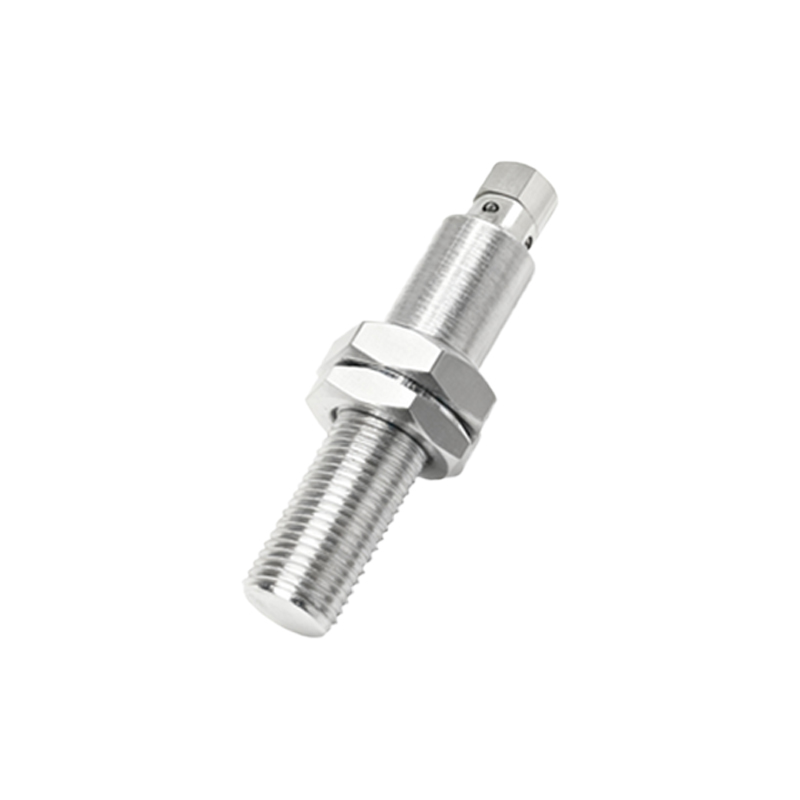
Consult Manufacturer Datasheets: Always refer to the specific sensor's technical data. Reputable manufacturers provide detailed graphs showing sensing distance versus actuator size/material and temperature derating curves.
Match the Actuator to the Sensor: Use the actuator type and size specified by the sensor manufacturer for guaranteed performance. If a custom actuator is necessary, prototype testing under actual operating conditions is mandatory.
Consider Safety Margins: In system design, never operate the sensor at its absolute maximum theoretical sensing distance. Apply a safety factor (e.g., 70-80% of Sn) to account for part tolerances, wear, temperature drift, and supply voltage variations.
Mind the Installation: Ensure the sensor is mounted securely without stress. Avoid installing it on or near vibrating ferrous metal structures, which can cause false triggering. Maintain a clean environment free from magnetic contaminants.
Evaluate Advanced Options: For applications requiring very long sensing distances or high precision, consider specialized sensors like analog-output Hall-effect sensors (which provide a continuous distance-proportional signal) or sensors with programmable switching points.
In conclusion, the functional sensing distance of a magnetic proximity sensor is a system-level property, not just a sensor specification. Achieving reliable detection requires careful consideration of the complete sensing system: the sensor model, the actuator, the environmental conditions, and the required operational stability. By understanding the underlying principles and adhering to application best practices, engineers can effectively integrate these robust and versatile devices into their automated systems, ensuring long-term, trouble-free performance.