In the realm of industrial automation, the imperative for operational safety is paramount. Safety-rated proximity sensors stand as critical guardians within this landscape, designed specifically to mitigate risks in hazardous environments and ensure the protection of both personnel and machinery. Unlike standard proximity sensors, which primarily provide detection for process control, safety-rated variants are engineered and certified to meet stringent international safety standards such as ISO 13849-1, IEC 62061, and specifically IEC 60947-5-3 for proximity devices with a defined safety function. Their core mandate is to provide a reliable, fail-safe detection capability that forms an integral part of a Safety Instrumented System (SIS) or a safety-related control circuit.
The fundamental distinction lies in their design philosophy. Safety proximity sensors incorporate redundant internal circuits, continuous self-monitoring, and diagnostic functions. A common architecture is the use of two independent switching elements in series or parallel, monitored by a control unit. If one channel fails, the sensor can detect the fault and drive its output to a defined safe state—typically an "OFF" condition—thereby preventing a dangerous undetected failure. This principle is known as "Fail-Safe" operation. Additionally, these sensors often feature a forced-guided (mechanically linked) contact mechanism, which prevents the simultaneous welding shut of both normally open and normally closed contacts, a crucial feature for safe disconnection.
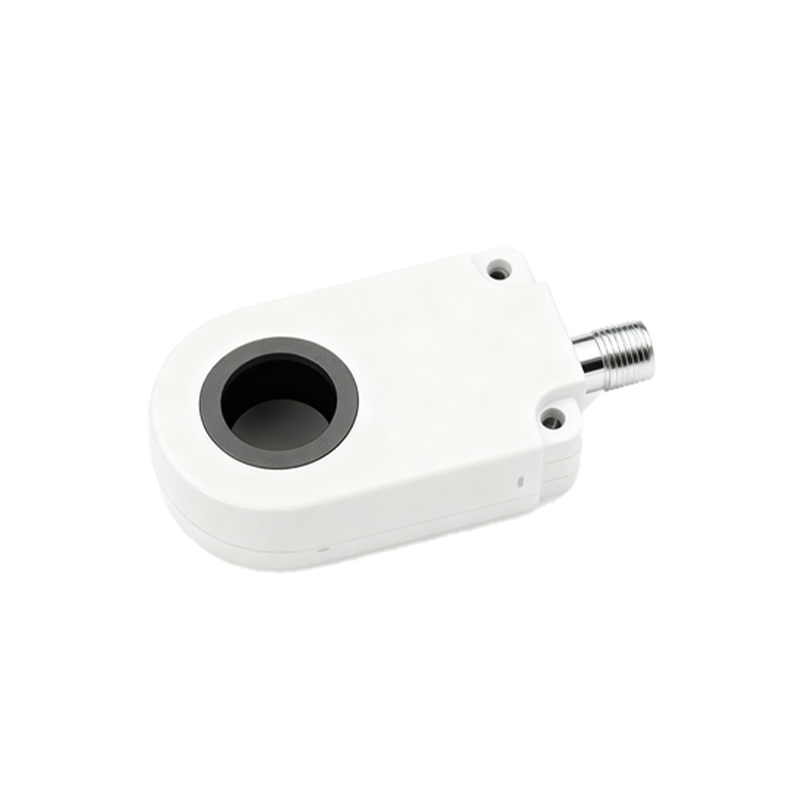
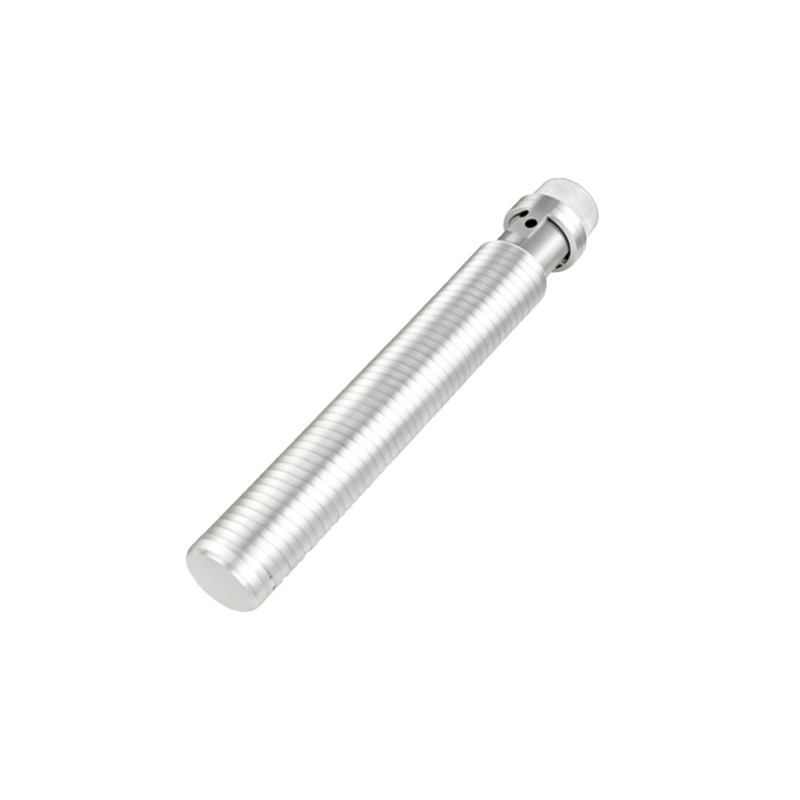
Key technologies employed include inductive, capacitive, and magnetic sensing principles. Inductive safety sensors are prevalent for detecting metallic objects in machine guarding applications, such as monitoring guard door positions. Magnetic safety sensors, often used in conjunction with coded magnets, provide secure position sensing for movable guards. The selection depends on the application's specific requirements, including sensing distance, target material, and the required Safety Integrity Level (SIL) or Performance Level (PL).
Integration into safety systems is systematic. A safety-rated proximity sensor's output is typically connected to a safety relay or a safety programmable logic controller (Safety PLC). This combination evaluates the sensor's signal and its internal diagnostic messages. Any discrepancy or fault leads to the immediate and controlled shutdown of the hazardous process, triggering machine stops via safe torque off (STO) in drives, for instance. The wiring often follows a dual-channel configuration to further enhance reliability and facilitate cross-checking.
The benefits of deploying these specialized sensors are substantial. Firstly, they directly contribute to achieving compliance with machinery directives like the EU's Machinery Directive 2006/42/EC, reducing legal liability. Secondly, they enhance overall plant uptime by providing predictable, diagnosed failures rather than random, catastrophic ones, enabling proactive maintenance. They protect high-value capital equipment from damage caused by improper operator intervention or process deviations. Ultimately, they foster a safer working environment, which is a fundamental ethical responsibility and boosts operator confidence.
When specifying a safety proximity sensor, engineers must carefully evaluate several parameters: the required Safety Integrity Level (SIL 2 or SIL 3 are common for sensors), the Performance Level (PL e), the operating distance, environmental conditions (IP rating, temperature, resistance to oils/coolants), and the required output type (PNP/NPN, solid-state, or relay). It is crucial to remember that the sensor is only one component; the entire safety loop, including the logic solver and final element, must be validated to the target SIL/PL.
In conclusion, safety-rated proximity sensors are not merely upgraded standard sensors. They are purpose-built components with certified safety functionalities, forming the first and vital link in the chain of protective measures within automated systems. Their adoption is a non-negotiable aspect of responsible engineering in sectors ranging from automotive and packaging to robotics and material handling. As industries advance towards increasingly collaborative human-robot workspaces and the Industrial Internet of Things (IIoT), the role of intelligent, diagnostic-capable safety sensors will only become more central, ensuring that productivity and safety evolve in lockstep.