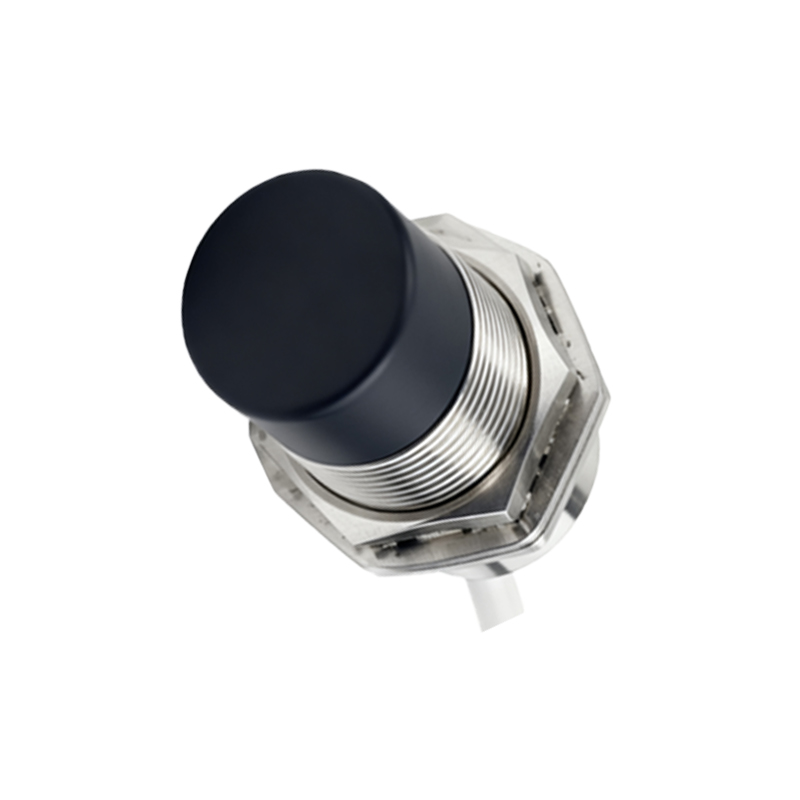
In the realm of industrial automation and machinery safety, glass proximity sensors play a pivotal role. These non-contact sensors, designed to detect the presence or absence of glass objects, are critical in applications ranging from bottle filling lines and pharmaceutical packaging to automotive glass handling and electronic display manufacturing. The choice of brand significantly impacts reliability, precision, and long-term operational costs. This article provides a technical review of leading glass proximity sensor brands, analyzing their core technologies, performance specifications, and typical application scenarios.
A glass proximity sensor operates primarily on the principle of diffuse reflection or through-beam sensing, often utilizing advanced optical components. Unlike standard inductive or capacitive sensors, they are finely tuned to the specific light transmission and reflection properties of glass, which can be transparent or tinted. Key performance parameters include sensing distance, response time, light source type (typically red or infrared LED), and environmental resistance to factors like dust, moisture, and ambient light interference. Housing material, typically stainless steel or high-grade plastics with IP67 or higher ratings, is also crucial for durability in harsh industrial environments.
Several brands have established dominance through technological innovation and proven field performance. Sick AG is renowned for its high-precision sensors, particularly in the logistics and packaging sectors. Their models often feature advanced background suppression technology, allowing them to reliably detect clear glass even against complex or moving backgrounds. The robust construction and extensive diagnostic capabilities via IO-Link communication make Sick a preferred choice for high-speed, mission-critical applications.
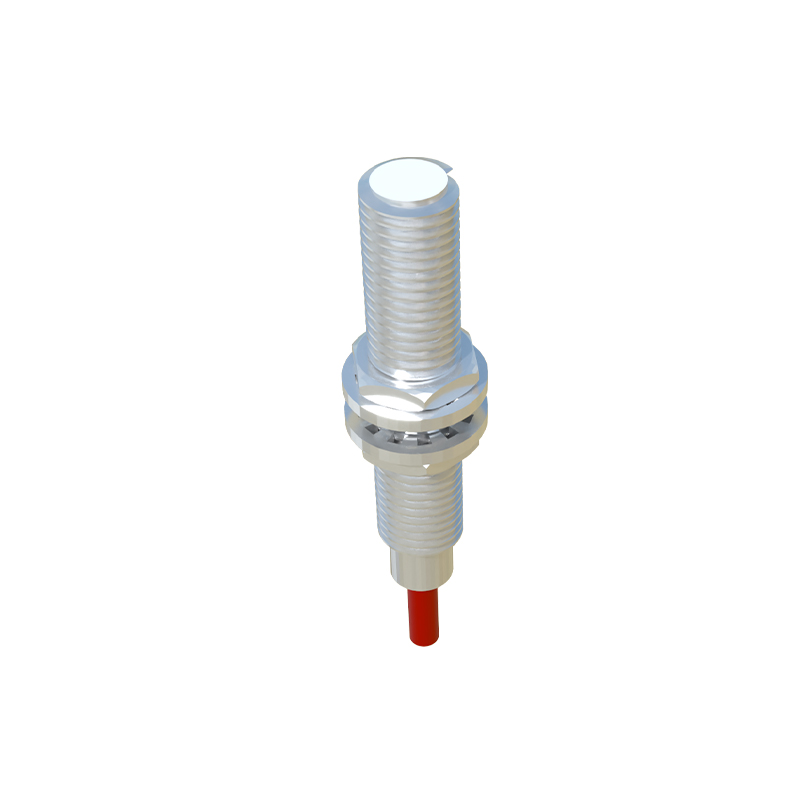
Balluff GmbH offers a comprehensive portfolio of sensors with a strong emphasis on miniaturization and smart functionality. Their glass proximity sensors are notable for exceptional repeat accuracy and compact designs, enabling installation in space-constrained machinery. Balluff integrates intelligent features such as condition monitoring and parameter setting via NFC, which simplifies maintenance and reduces downtime.
Omron Corporation, a global automation leader, provides highly reliable and cost-effective solutions. Omron's sensors excel in consistent performance and ease of use. Their E3Z series, for example, is famous for stable detection of transparent glass bottles, resisting interference from label reflections or liquid contents. Omron emphasizes durability, with many models boasting long operational lifetimes exceeding industry averages.
Pepperl+Fuchs stands out with its expertise in intrinsic safety and application-specific designs. For glass handling in potentially explosive atmospheres or cleanrooms, their specialized sensors offer unparalleled safety certifications and contamination control. The brand is often selected for challenging environments in the chemical and food & beverage industries where glass containers are prevalent.
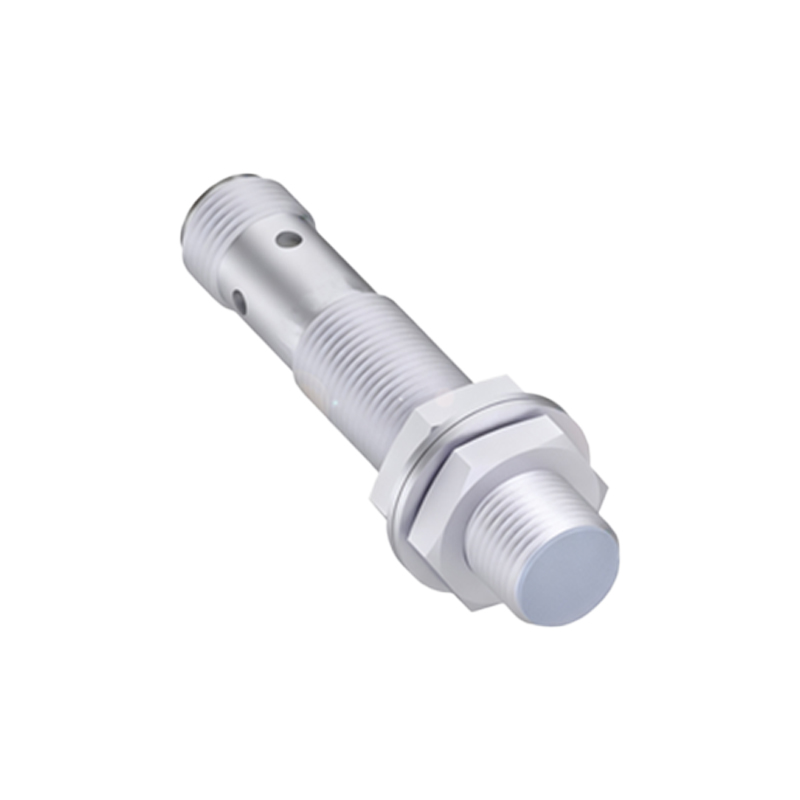
Keyence Corporation pushes the envelope with cutting-edge technology. Their sensors frequently incorporate innovative features like ultra-high-speed response, precise analog output for distance measurement, and sophisticated algorithms to distinguish between glass and other transparent materials like plastic. Keyence is a go-to brand for applications demanding the highest levels of accuracy and technological sophistication, such as in semiconductor or precision electronics manufacturing.
When selecting a glass proximity sensor brand, engineers must conduct a thorough application analysis. Factors to consider include the type of glass (clear, frosted, colored), required sensing distance, required speed, environmental conditions, and connectivity needs. Brands like IFM Electronic and Turck also offer robust and versatile solutions that merit evaluation for many standard applications. Ultimately, the optimal choice balances technical specifications, brand reputation for quality and support, and total cost of ownership. Partnering with a brand that provides strong technical support and a reliable global supply chain is as critical as the sensor's datasheet specifications for ensuring seamless integration and long-term system reliability.