In industrial automation and machinery, DC proximity sensors play a critical role in non-contact detection of objects. However, the performance and reliability of these sensors are heavily dependent on a component often overlooked: the connector. The DC proximity sensor connector is the vital link between the sensor and the control system, ensuring stable power delivery and accurate signal transmission. Understanding the types, specifications, and correct application of these connectors is paramount for system integrity.
Unlike standard power connectors, those designed for proximity sensors must meet specific demands. They are frequently subjected to harsh industrial environments involving vibration, moisture, oil, coolant, and temperature extremes. A poor-quality or mismatched connector can lead to intermittent signals, voltage drops, sensor failure, and costly downtime. The connector essentially acts as the sensor's lifeline.
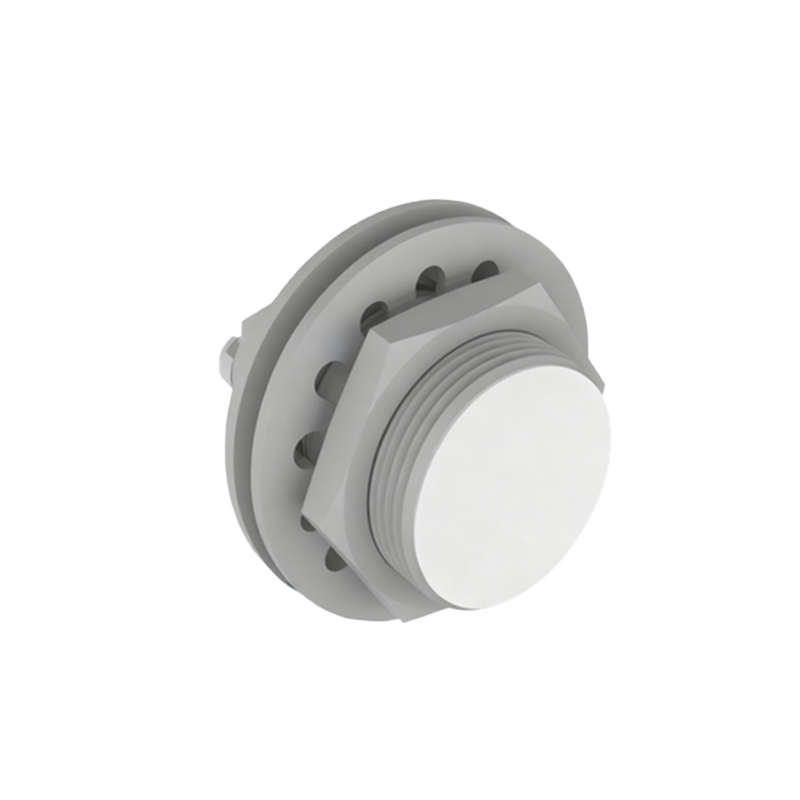
Several key types of connectors are prevalent in the market. The most common is the M8 and M12 circular connector, standardized by IEC 61076-2. The M8 connector, typically with 3 or 4 pins, is compact and suited for smaller sensors in tight spaces. The M12 connector, with 3, 4, or 5 pins, offers greater robustness and is the industry workhorse for most standard inductive and capacitive sensors. The pin configuration is crucial: a 3-pin connector usually provides power (V+, V-) and a switching signal (NO or NC), while 4-pin versions often include a separate wire for a diagnostic or complementary output. For longer cable runs or specific network protocols, M12 connectors with 5 or even 8 pins are used. Another type is the rectangular or micro-style connector, often found on certain sensor brands, which may require proprietary mating plugs.
Selecting the correct connector involves a detailed checklist. First, verify the sensor's electrical requirements: is it a 2-wire DC, 3-wire DC (PNP or NPN), or a 4-wire DC (with two outputs)? The connector must have the corresponding number of pins and correct wiring. Second, consider the IP (Ingress Protection) rating. For washdown areas or outdoor use, a rating of IP67 or IP69K is essential to prevent water and dust ingress. The connector material is also vital; brass or stainless-steel nickel-plated bodies with PBT (polybutylene terephthalate) insulation offer excellent resistance to chemicals and mechanical stress. The cable gland must properly strain-relieve the connected cable. Furthermore, the mating style—straight or right-angled—affects installation in confined spaces. Pre-wired connectors with molded cables offer excellent reliability but less flexibility, while field-attachable connectors provide customization at the cost of requiring proper assembly tools and skill.
Proper installation and maintenance are non-negotiable. Ensure the connector is securely tightened to its specified torque to achieve its stated IP rating. Avoid overtightening, which can damage threads or crack housings. During wiring, follow the sensor's datasheet meticulously to connect the brown wire (typically +V), blue wire (typically 0V or common), and black wire (typically output signal) to the correct pins. Use a cable stripper of the correct size to avoid nicking the conductor. For field-attachable types, ensure the contacts are crimped perfectly and the seal is seated correctly. Periodically inspect connectors for signs of physical damage, corrosion, or loose connections, especially in high-vibration applications.
A common pitfall is assuming all M12 connectors are identical. Keyed (coded) versions exist—like A-coded for sensors and actuators, B-coded for fieldbus networks (e.g., Profibus), and D-coded for Ethernet—to prevent accidental mating with incompatible systems. Using an A-coded connector on a sensor is standard. Another mistake is neglecting the cable quality; the cable must have the appropriate gauge, shielding, and flexibility for the application. Investing in high-quality connectors and cables from reputable manufacturers prevents elusive electrical faults and ensures long-term, trouble-free operation of the entire sensing system. In summary, the DC proximity sensor connector, though small, is a fundamental component that demands careful selection and handling to guarantee the precision and reliability modern automation systems require.