Proximity sensors are indispensable components in modern industrial automation, offering non-contact detection of objects within their sensing range. Understanding standard models and their parameters is crucial for selecting the right sensor for specific applications. This article outlines common proximity sensor types and explains key technical specifications to guide engineers and technicians in making informed decisions.
Standard proximity sensors are typically categorized by their sensing technology. Inductive proximity sensors are widely used for detecting metallic objects. They generate an electromagnetic field and react to changes caused by conductive materials. Common models include cylindrical housings (e.g., M8, M12, M18, M30 threaded barrels) and rectangular formats. Key parameters for inductive sensors include sensing distance, which ranges from 1 mm to 60 mm depending on the model and target material. For instance, an M18 sensor might offer a nominal sensing distance of 8 mm for mild steel. Another vital parameter is the switching frequency, indicating how many detection cycles per second the sensor can handle, often between 100 Hz and 5 kHz for standard models. Output configurations, such as NPN (sinking) or PNP (sourcing) transistor outputs, and normally open (NO) or normally closed (NC) contacts, must match the control system's requirements.

Capacitive proximity sensors can detect both metallic and non-metallic materials, including liquids, plastics, and wood. They operate by sensing changes in capacitance. Standard models often resemble inductive sensors in form factor. Key parameters include the adjustable sensing range, which can be fine-tuned via a potentiometer, and the dielectric constant of the target material, which significantly influences performance. Environmental ratings like IP67 (ingress protection) are critical for applications exposed to dust or moisture.
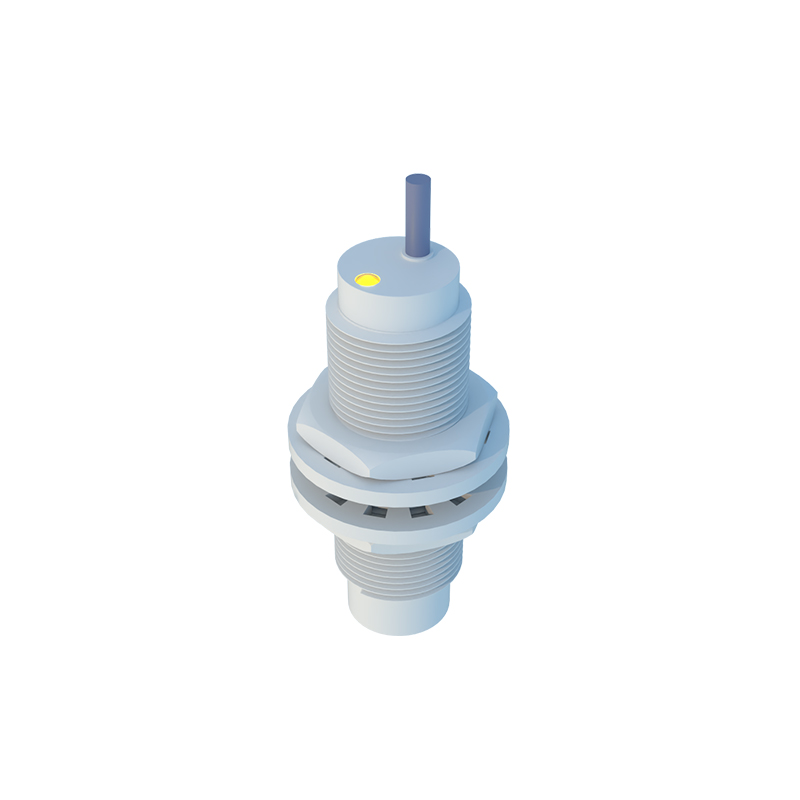
Ultrasonic proximity sensors use sound waves to detect objects and measure distance. They are suitable for challenging environments with dirt or vapor. Parameters here include the measurable range (e.g., 20 mm to 8 meters), beam angle, and response time. Analog output versions provide continuous distance information, while digital versions offer switch points.
Photoelectric sensors, though sometimes considered separately, function as proximity devices. Diffuse, retro-reflective, and through-beam models have parameters like sensing range, light source (LED type), and response time.
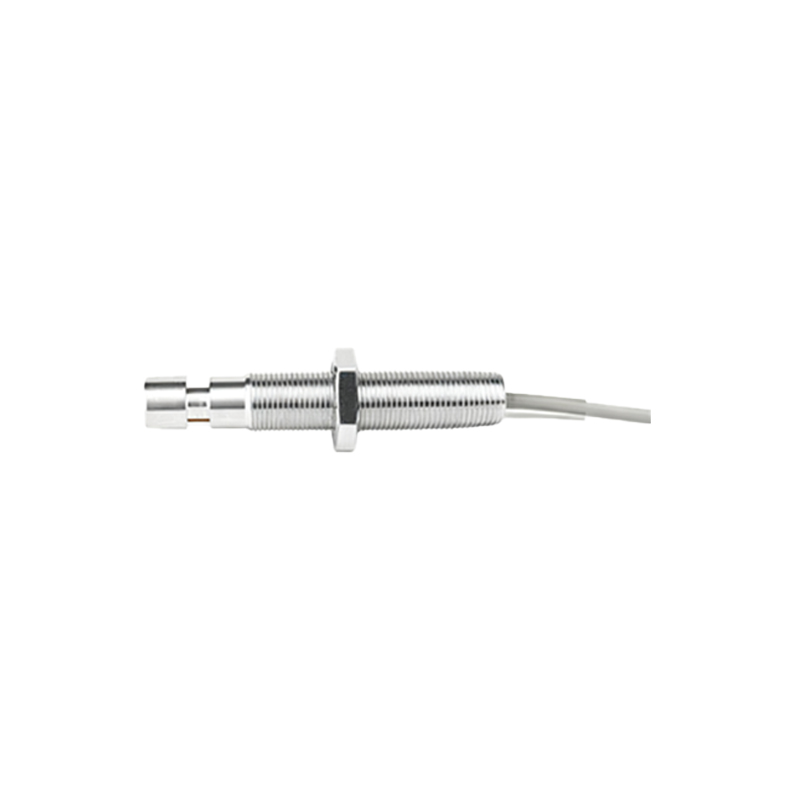
Beyond type-specific specs, universal parameters apply. Supply voltage is fundamental, with common DC ranges being 10-30 VDC and AC options like 90-250 VAC. The current consumption and load current (max current the output can switch) must be checked. Repeatability, or the consistency of detection at the same distance, is a precision metric. Temperature range specifies operational limits, typically -25°C to +70°C for industrial units. Housing material (e.g., nickel-plated brass, stainless steel) determines durability in corrosive or washdown environments.
Choosing the correct model involves cross-referencing application needs with these parameters. For example, a packaging line detecting metal cans might use an inductive M12 sensor with a 4 mm sensing distance, PNP NO output, IP67 rating, and a 100 Hz switching frequency for high-speed counting. In contrast, a liquid level detection task in a plastic tank would require a capacitive sensor with an adjustable range and a housing resistant to chemical splashes.
In summary, standard proximity sensors are defined by a set of electrical, mechanical, and performance parameters. Engineers must carefully review data sheets, considering not just the nominal sensing distance but also factors like target material, environmental conditions, and electrical interface. Adherence to international standards (e.g., IEC 60947-5-2) ensures reliability and interoperability. Proper selection based on these parameters enhances system reliability, reduces downtime, and optimizes automation processes.