In the rapidly evolving landscape of industrial automation, laser proximity sensors have become indispensable components, offering unparalleled precision, speed, and reliability for distance measurement, object detection, and positioning tasks. These sensors utilize laser technology to emit a focused beam of light, measuring the time or phase shift of the reflected signal to determine an object's presence and distance with micron-level accuracy. Their applications span across manufacturing, robotics, logistics, and automotive industries, where they ensure efficiency, safety, and quality control. Selecting the right brand is crucial, as it directly impacts system performance, durability, and long-term operational costs. This article explores leading laser proximity sensor brands that have set industry standards through innovation and robust engineering.
Key Brands in the Market:
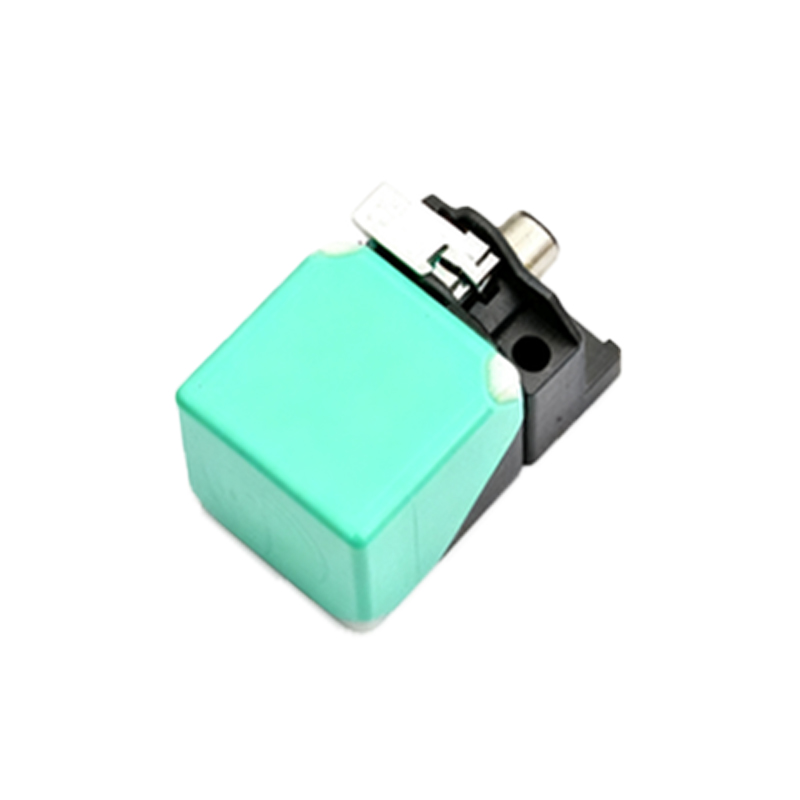
1. SICK AG: A German powerhouse in sensor technology, SICK is renowned for its high-precision laser sensors designed for harsh industrial environments. Their product range includes models like the OD5000 and OD7000 series, which feature advanced background suppression, high scanning rates, and robust housings resistant to dust, moisture, and vibrations. SICK sensors are widely used in automated guided vehicles (AGVs), packaging lines, and assembly systems, offering reliable performance with minimal maintenance.
2. Keyence Corporation: Based in Japan, Keyence is a leader in innovative sensor solutions, known for user-friendly designs and cutting-edge technology. Their laser proximity sensors, such as the IL Series and LR-Z Series, boast ultra-compact sizes, long sensing ranges, and intuitive setup interfaces. Keyence emphasizes ease of integration, with features like automatic calibration and digital displays, making them ideal for precision applications in electronics manufacturing and semiconductor production.
3. Banner Engineering: An American brand with a global footprint, Banner Engineering offers versatile laser sensors that balance cost-effectiveness with high performance. Models like the Q4X and LE550 series provide reliable detection in challenging conditions, including transparent or reflective surfaces. Banner sensors are popular in material handling, food processing, and pharmaceutical industries due to their durability, IP67 ratings, and responsive customer support.
4. Omron Corporation: Another Japanese giant, Omron excels in delivering reliable automation components, including laser proximity sensors with advanced functionalities. Their E3Z-LS and E3JM series feature adjustable sensing ranges, high-speed response times, and noise immunity, suitable for applications in robotics and automotive welding. Omron focuses on sustainability, with energy-efficient designs that reduce overall system power consumption.
5. Pepperl+Fuchs: A German specialist in industrial sensing, Pepperl+Fuchs provides robust laser sensors for extreme environments, such as those with high temperatures or corrosive substances. The R2000 series, for instance, offers precise measurement capabilities with integrated diagnostics and IO-Link communication for Industry 4.0 integration. Their sensors are commonly deployed in chemical plants, steel mills, and outdoor logistics.
Factors to Consider When Choosing a Brand:
- Accuracy and Resolution: For tasks like part inspection or alignment, sub-millimeter accuracy is essential. Brands like SICK and Keyence lead in this area with sensors offering resolutions down to micrometers.
- Environmental Durability: Industrial settings often involve dust, moisture, or temperature fluctuations. Look for IP ratings (e.g., IP67) and robust construction, as seen in Banner and Pepperl+Fuchs products.
- Integration and Connectivity: Modern automation requires seamless communication via protocols like IO-Link, Ethernet/IP, or PROFINET. Omron and Pepperl+Fuchs excel in providing smart sensors with network capabilities.
- Cost vs. Performance: While premium brands like SICK and Keyence offer top-tier features, Banner and Omron provide balanced options for budget-conscious projects without compromising reliability.
- Application-Specific Needs: Consider the target industry—for example, Keyence sensors are favored in clean rooms, whereas Pepperl+Fuchs suits hazardous areas.
Emerging trends in laser proximity sensors include miniaturization, enhanced AI-driven diagnostics, and greater integration with IoT platforms. Brands are increasingly focusing on sustainability, with energy-saving modes and recyclable materials. As industries advance toward smart factories, the demand for precise, adaptive sensors will grow, making brand selection a critical decision for engineers and system integrators. In summary, investing in a reputable brand ensures long-term operational efficiency, reduced downtime, and compatibility with future automation upgrades. Always evaluate technical specifications, support services, and real-world case studies to make an informed choice tailored to your project requirements.