In the realm of industrial automation, the deployment of large-scale proximity sensor systems represents a critical advancement in operational efficiency, safety, and data acquisition. These non-contact detection devices are engineered to identify the presence or absence of objects within a specified range without physical interaction, making them indispensable in high-speed, demanding environments such as automotive assembly lines, material handling systems, and robotic workcells. This article delves into the core technologies, selection criteria, and implementation strategies for proximity sensors in extensive industrial applications.
The fundamental operating principle of proximity sensors revolves around the emission of an electromagnetic field or beam and the analysis of changes in the return signal. Predominant technologies include inductive, capacitive, ultrasonic, and photoelectric sensors. Inductive sensors are exclusively for detecting metallic objects, utilizing a coil and oscillator to generate an electromagnetic field. When a metal target enters this field, it induces eddy currents, causing a change in oscillation amplitude that triggers the sensor's output. Capacitive sensors, conversely, can detect both metallic and non-metallic materials—including liquids, powders, and plastics—by measuring changes in capacitance between the sensor and the target. Ultrasonic sensors emit high-frequency sound waves and calculate distance based on the time-of-flight of the reflected echo, suitable for challenging conditions involving dust, smoke, or varying colors. Photoelectric sensors employ light beams (infrared, visible, or laser) and are categorized into through-beam, retro-reflective, and diffuse-reflective types, offering long-range detection and high precision.
Selecting the appropriate sensor for large-scale installations necessitates a meticulous evaluation of several parameters. Sensing range, typically specified as nominal or effective, must align with the application's physical constraints. Environmental factors are paramount; sensors must be rated with adequate Ingress Protection (IP) codes for resistance to dust, moisture, and chemicals, and constructed from robust materials like stainless steel or PBT plastic for durability. Temperature tolerance is crucial, especially in foundries or outdoor settings where extremes are common. Output types—such as NPN, PNP, analog (4-20 mA, 0-10 V), or IO-Link for digital communication—must integrate seamlessly with the existing Programmable Logic Controller (PLC) or control system. Response time, often in milliseconds, directly impacts system throughput in high-speed operations. For large networks, diagnostic capabilities and ease of maintenance, including quick-disconnect fittings and LED status indicators, significantly reduce downtime.
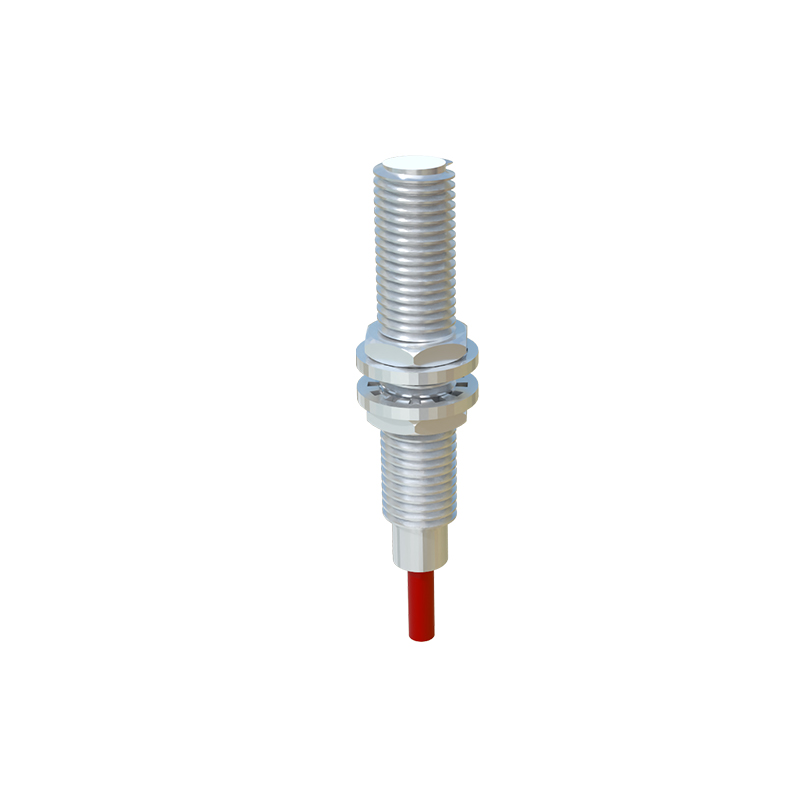
Implementation of a large-scale proximity sensor network extends beyond individual unit selection. System design must account for electrical interference, especially in facilities with heavy machinery, by employing shielded cables, proper grounding, and adequate separation from power lines. Sensor mounting requires precision to avoid false triggers from vibration or misalignment. In conveyor systems, for instance, arrays of sensors are used for object counting, positioning, and jam detection. Advanced configurations involve networked sensors communicating via industrial Ethernet protocols like PROFINET, EtherNet/IP, or IO-Link, enabling real-time data collection for predictive maintenance and process optimization. Calibration and regular testing are essential to maintain accuracy over time, as factors like sensor drift or lens contamination in photoelectric units can degrade performance.
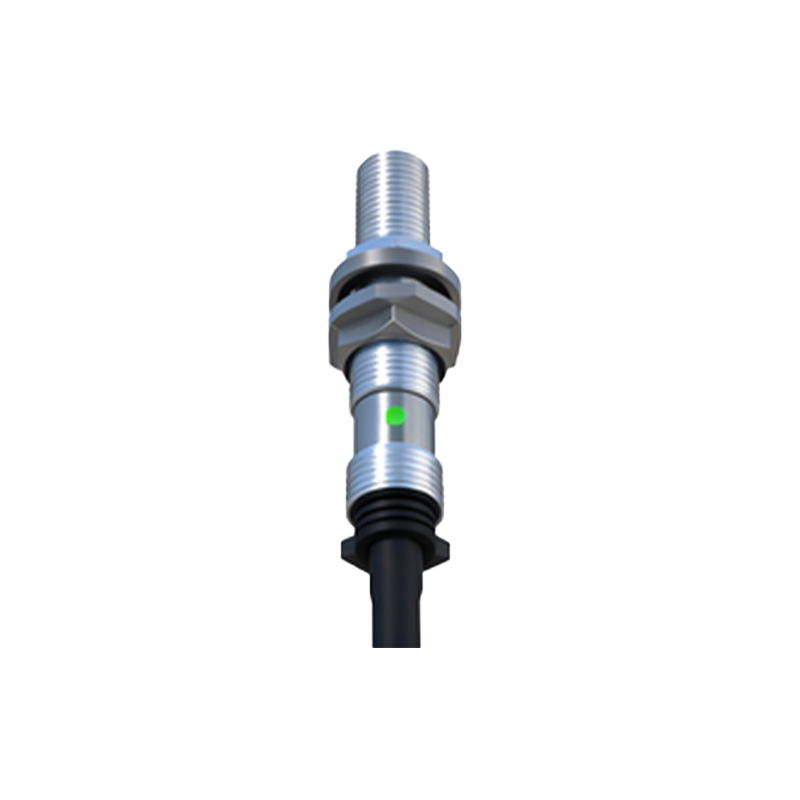
The evolution of Industry 4.0 and the Industrial Internet of Things (IIoT) has further elevated the role of proximity sensors. Modern "smart" sensors incorporate embedded microprocessors that provide not only switching outputs but also diagnostic data such as operating hours, temperature readings, and signal strength. This data, when aggregated, facilitates condition monitoring, predictive analytics, and energy management. For example, a sensor detecting decreased fill levels in a silo can trigger automated reordering, while vibration detection on a motor can preempt failure. Integration with SCADA (Supervisory Control and Data Acquisition) systems allows for centralized monitoring and control across vast facilities.
In conclusion, the strategic deployment of proximity sensors in large-scale industrial operations is a cornerstone of modern automation. By understanding the distinct technologies, rigorously selecting based on application demands, and implementing with attention to system integration and future connectivity, engineers can build resilient, efficient, and intelligent systems. As automation complexity grows, the humble proximity sensor continues to be a vital component in the seamless, safe, and data-driven factory of the future.