In the world of automation, electronics, and smart devices, there exists a silent, unseen workhorse that plays a crucial role in countless applications: the proximity sensor. At its core, a proximity sensor is a device that can detect the presence or absence of a nearby object without any physical contact. It achieves this by emitting an electromagnetic field or a beam of radiation, such as infrared light, and then looking for changes in the field or the return signal. The object being detected is often referred to as the sensor's "target.
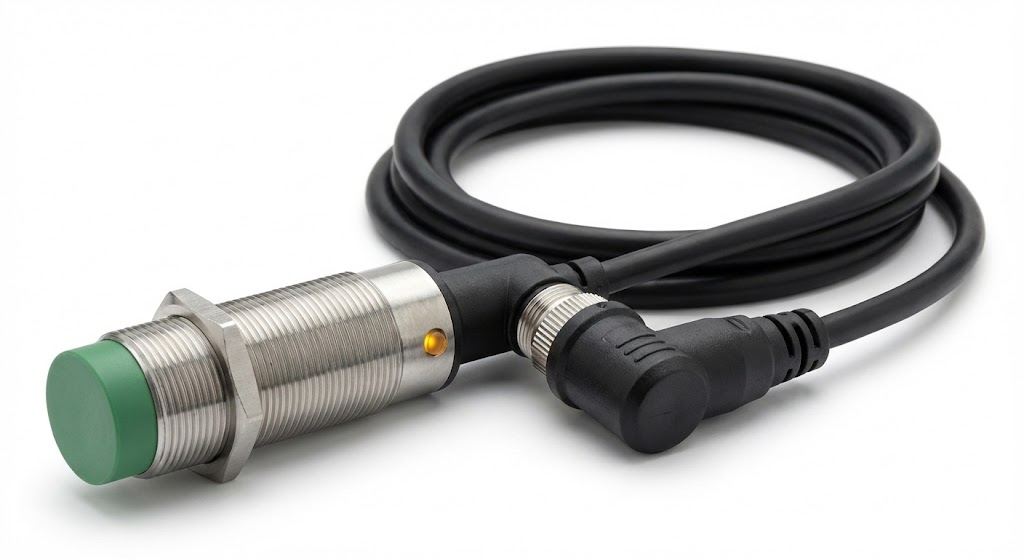
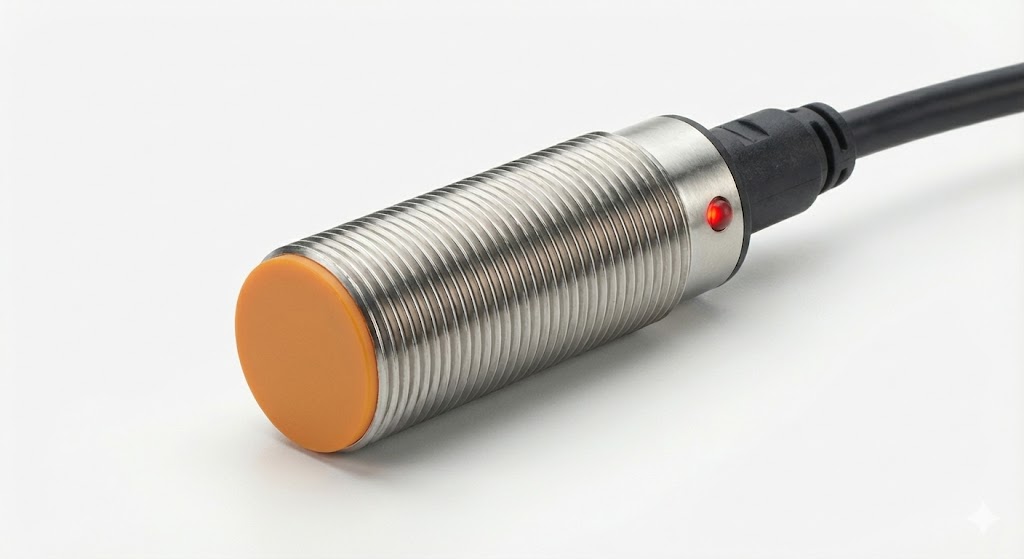
The fundamental principle behind proximity sensors is remarkably elegant. They operate on the concept of sensing a change in a local field or signal. Different types of sensors use different physical principles. For instance, inductive proximity sensors generate an oscillating electromagnetic field. When a metallic target enters this field, it induces eddy currents within the metal, which in turn causes a change in the oscillation amplitude. The sensor's circuitry detects this change and triggers a switch. This makes them ideal for detecting metals in industrial environments, such as counting products on a conveyor belt or checking the position of a machine part.
Another common type is the capacitive proximity sensor. These sensors can detect both metallic and non-metallic targets, including liquids, powders, and plastics. They work by generating an electrostatic field. When any object with a dielectric constant different from air enters this field, it alters the capacitance of the sensor's circuit, leading to a detection event. You'll find capacitive sensors in applications like liquid level detection in tanks or touch-sensitive buttons on consumer electronics.
Photoelectric sensors, which use light beams, are also a form of proximity detection. They consist of a light emitter (usually an LED) and a receiver. When an object interrupts or reflects the light beam, the receiver detects the change, and the sensor outputs a signal. These are excellent for long-range detection and can sense virtually any material, making them versatile for packaging, material handling, and safety systems.
Ultrasonic proximity sensors operate on a principle similar to sonar. They emit high-frequency sound waves and measure the time it takes for the echo to return. The presence of an object alters the echo's return time or intensity. These sensors are particularly effective for detecting objects regardless of color, transparency, or material, and are commonly used in vehicle parking assist systems, level measurement, and robotics.
The advantages of using proximity sensors are numerous. Their non-contact nature means there is no mechanical wear and tear, leading to exceptional longevity and reliability. They can operate at high speeds, detecting objects in milliseconds, which is essential for fast-paced manufacturing lines. Furthermore, they are not affected by surface conditions like dirt, oil, or moisture (depending on the type and housing), allowing them to function reliably in harsh industrial environments where mechanical switches would fail.
Applications for proximity sensors are virtually limitless. In the automotive industry, they are used for parking assistance, blind-spot detection, and activating automatic doors or trunks. In consumer electronics, they disable a smartphone's touchscreen when held to the ear during a call to prevent accidental touches. In manufacturing and industrial automation, they are the backbone of position sensing, object counting, jam detection, and robotic guidance. They also play a vital role in security systems, acting as non-contact triggers for alarms when an intruder breaks an invisible beam.

When selecting a proximity sensor for a specific task, several factors must be considered. The nature of the target material (metal, plastic, liquid) dictates whether an inductive, capacitive, or photoelectric sensor is needed. The required sensing distance, or "range," is another critical parameter. Environmental conditions such as temperature, presence of contaminants, and potential electrical interference also influence the choice. Finally, the output type—whether a simple digital on/off signal or a more complex analog signal proportional to distance—must match the requirements of the control system.
In summary, a proximity sensor is a sophisticated yet robust electronic device that provides a fundamental input to modern control systems: the detection of an object's presence. By eliminating the need for physical contact, it offers a reliable, fast, and durable solution for automation, safety, and convenience across a breathtaking array of industries and everyday products. Its silent operation belies its immense importance in making our technology interactive, efficient, and intelligent.