In the realm of electrical engineering, proximity light sensors have emerged as indispensable components, driving innovation across various industries. These sensors, which detect the presence or absence of objects without physical contact, rely on light-based technologies such as infrared (IR), laser, or LED beams. Their primary function is to measure distance or detect motion by emitting light and analyzing the reflected signal. This non-contact operation minimizes wear and tear, enhances reliability, and ensures precise measurements in dynamic environments.
One of the key applications of proximity light sensors is in industrial automation. In manufacturing lines, they facilitate object detection for robotic arms, conveyor systems, and quality control processes. For instance, sensors can identify misaligned components on an assembly line, triggering corrective actions to prevent defects. This not only boosts efficiency but also reduces downtime and operational costs. Additionally, in hazardous settings where human intervention is risky, these sensors enable safe monitoring of equipment and materials, contributing to workplace safety standards.
Beyond industrial use, proximity light sensors play a vital role in consumer electronics. Smartphones and tablets incorporate them to disable touchscreens during calls, preventing accidental inputs. Similarly, in automotive systems, they support features like automatic headlight control and parking assistance by detecting obstacles in real-time. The healthcare sector also benefits, with sensors used in medical devices for non-invasive monitoring, such as in infusion pumps or diagnostic tools, where accuracy is critical for patient care.
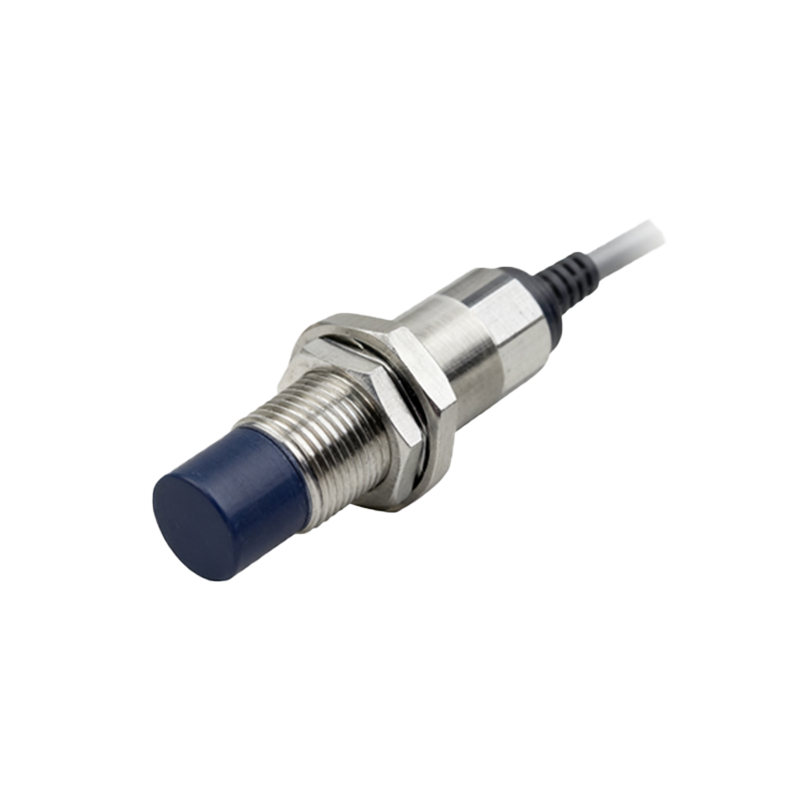
The technology behind proximity light sensors involves sophisticated components like photodiodes, phototransistors, and signal processors. When light is emitted towards a target, the sensor measures the intensity or time delay of the reflected beam. Advanced models, such as time-of-flight (ToF) sensors, calculate distance based on light travel time, offering high precision for applications like 3D scanning or autonomous vehicles. Engineers must consider factors like ambient light interference, material reflectivity, and environmental conditions during design to optimize performance.
In terms of advantages, proximity light sensors provide fast response times, often in milliseconds, making them suitable for high-speed operations. They are energy-efficient, as many models operate on low power, extending battery life in portable devices. Moreover, their compact size allows for integration into space-constrained systems without compromising functionality. However, challenges exist, such as sensitivity to external light sources or opaque materials, which can affect accuracy. To mitigate this, engineers employ filtering techniques, adaptive algorithms, and calibration protocols.
Looking ahead, the evolution of proximity light sensors is intertwined with trends like the Internet of Things (IoT) and smart infrastructure. In smart homes, sensors enable gesture-based controls for lighting or security systems, while in agriculture, they assist in automated irrigation by detecting soil moisture levels. As electrical engineering advances, innovations in sensor miniaturization, wireless connectivity, and AI-driven data analysis will expand their capabilities, fostering more responsive and intelligent systems.
In conclusion, proximity light sensors are pivotal in modern electrical engineering, bridging gaps between automation, safety, and efficiency. Their versatility across industrial, consumer, and medical domains underscores their importance in technological progress. By understanding their mechanisms and applications, engineers can harness their potential to develop solutions that address real-world challenges, paving the way for a more connected and automated future.