In the industrial automation sector, proximity switch sensors are indispensable components, enabling non-contact detection of metallic and non-metallic objects. Their pricing and service models vary significantly based on technology, performance, and supplier support. Understanding these factors is crucial for making cost-effective procurement decisions.
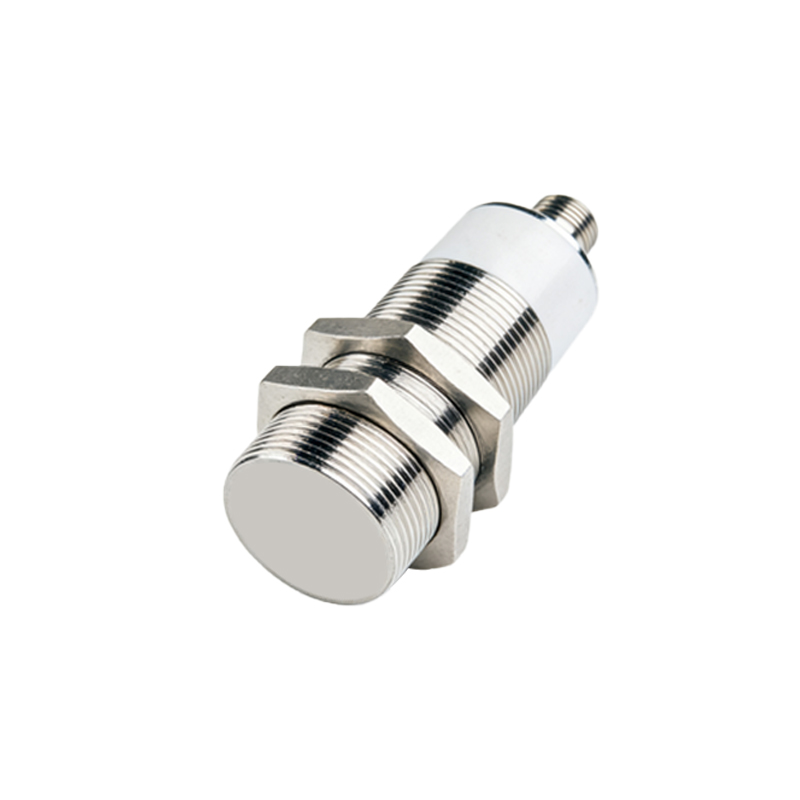
Proximity sensors primarily utilize inductive, capacitive, or magnetic field principles. Inductive sensors, detecting ferrous metals, are typically the most economical, with prices ranging from $20 to $150 per unit depending on sensing range, housing material (e.g., stainless steel vs. plastic), and output type (PNP/NPN, NO/NC). Capacitive sensors, suitable for non-metallic materials like liquids or plastics, often command a 15-30% premium due to more complex circuitry. Magnetic (reed or Hall effect) sensors fall within a similar mid-range bracket. High-performance variants with extended ranges (e.g., 15mm+ for inductive), extreme temperature tolerance (-40°C to 100°C+), or IP68/IP69K protection ratings can exceed $200.
Beyond unit price, total cost of ownership (TCO) encompasses critical service aspects. Reputable suppliers offer value-added services that impact long-term operational costs. Technical support, including application engineering assistance and customization for unique mounting or output requirements, is often provided at no extra charge by established brands. Warranty terms are a key differentiator; standard warranties range from 1 to 3 years, but some manufacturers offer up to 5 years, signaling product reliability and reducing lifecycle costs.
Lead time and logistics services directly affect project timelines. Standard sensor models are usually available from stock, with delivery in 1-2 weeks. Customized or specialized sensors may require 4-8 weeks. Suppliers with global distribution networks and consolidated shipping options help minimize downtime and inventory costs. Many vendors now offer online configuration tools and real-time stock checking, streamlining the procurement process.
After-sales service is paramount. This includes access to comprehensive documentation (datasheets, CAD drawings, manuals), troubleshooting guides, and repair/replacement programs. Some providers offer calibration services or certification support for industries like food & beverage or pharmaceuticals, where compliance is mandatory. The trend toward IIoT integration also sees suppliers offering digital services, such as predictive maintenance analytics via connected sensor systems, though this may involve subscription-based pricing.
When evaluating quotes, engineers should consider bundled service packages. A slightly higher unit price from a supplier offering extensive technical support, faster delivery, and a longer warranty often yields lower TCO than a cheaper, no-frills alternative. Requesting samples for testing in the actual application environment is a common and recommended practice to verify performance before bulk purchasing.
In summary, proximity sensor pricing is a function of technical specifications and environmental ratings, while service quality—spanning pre-sales consultation, supply chain reliability, and post-sales support—forms the backbone of a sustainable procurement strategy. Investing in a partnership with a supplier that aligns with your operational and technical service needs ultimately ensures higher system uptime and better return on investment in automated processes.