Microwave proximity sensors represent a critical advancement in industrial automation, leveraging continuous-wave or modulated microwave signals to detect objects without physical contact. These sensors operate on the Doppler effect or frequency-modulated continuous-wave (FMCW) principles, emitting electromagnetic waves in the microwave spectrum (typically 24 GHz or 60 GHz) and analyzing reflected signals to determine presence, distance, speed, or material composition. Unlike ultrasonic or infrared sensors, microwave variants excel in challenging environments—penetrating dust, smoke, and non-metallic barriers while maintaining high accuracy under variable temperature and humidity conditions.
Leading manufacturers focus on enhancing sensor robustness and integration capabilities. Key design considerations include antenna optimization for beam shaping, signal processing algorithms for noise reduction, and compliance with international standards like IEC 60947-5-2. Modern factories employ automated assembly lines with precision calibration systems, ensuring consistent performance across batches. For instance, surface-mount technology (SMT) lines mount microwave integrated circuits (MICs) onto PCBs, followed by hermetic sealing to protect against moisture and mechanical stress. Quality control involves rigorous testing in anechoic chambers to verify detection ranges (often up to 30 meters) and response times (as low as 10 milliseconds).
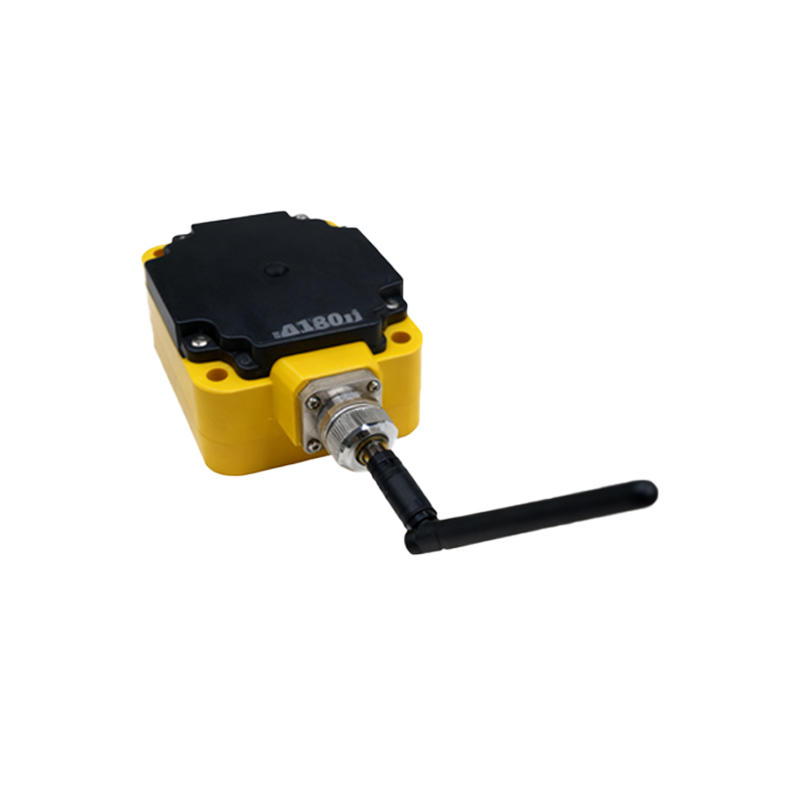
Applications span diverse sectors: in logistics, sensors enable collision avoidance in automated guided vehicles (AGVs); in automotive manufacturing, they monitor conveyor belt object positioning; in smart infrastructure, they facilitate occupancy detection for energy management. Emerging trends include the integration of Industrial Internet of Things (IIoT) interfaces, allowing sensors to transmit data via protocols like IO-Link or Ethernet-APL for predictive maintenance analytics. Additionally, miniaturization efforts have yielded compact models under 50 grams, suitable for robotics and wearable devices.
However, challenges persist. Interference from other electromagnetic sources requires advanced shielding techniques, while cost-effective production demands economies of scale. Manufacturers are investing in silicon-germanium (SiGe) semiconductor fabrication to reduce power consumption and enhance frequency stability. Environmental sustainability is also prioritized, with factories adopting lead-free soldering and recycling programs for electronic waste.
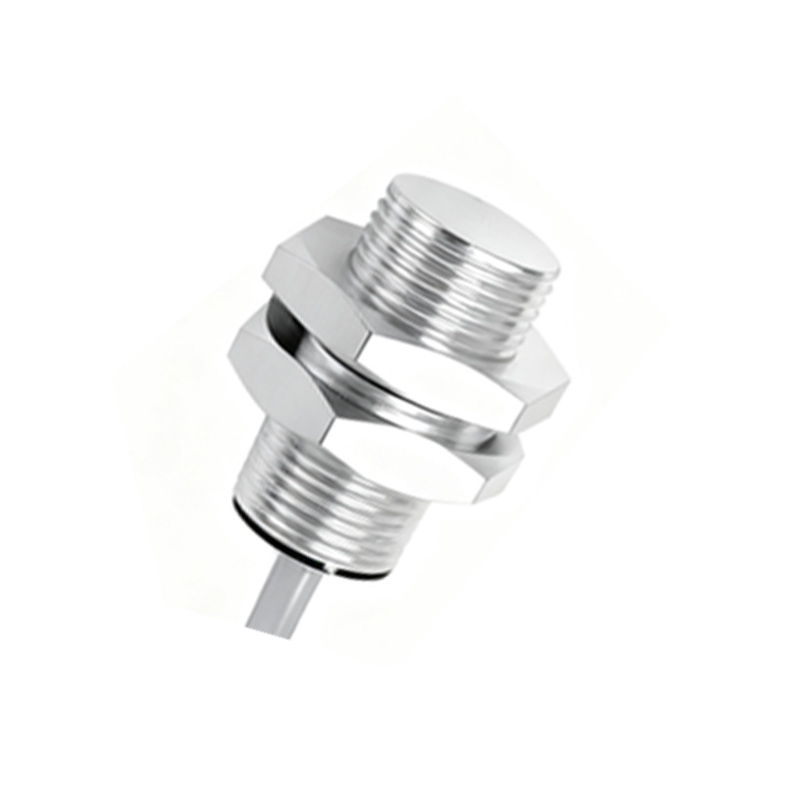
In conclusion, microwave proximity sensor manufacturing is evolving toward smarter, more adaptive solutions. By combining microwave technology with digital connectivity, producers are paving the way for safer and more efficient industrial ecosystems. Continuous innovation in materials and signal processing will further expand their role in Industry 4.0 applications.