In the intricate world of industrial automation, the reliability of every component is paramount. Among these, proximity sensors stand as silent sentinels, enabling non-contact detection critical for safety, efficiency, and precision. Selecting a manufacturer for these vital components is not merely a procurement decision; it is the foundation of a trustworthy partnership that ensures operational continuity. This guide highlights key attributes of credible proximity sensor enterprises and offers insights for identifying genuine industry leaders.
A hallmark of a reputable proximity sensor manufacturer is an unwavering commitment to rigorous quality standards. Trusted companies invest heavily in research and development, producing sensors that consistently perform under demanding conditions—be it extreme temperatures, heavy vibration, or exposure to corrosive substances. They adhere to international certifications such as ISO 9001, UL, CE, and specific industry standards (e.g., ATEX for hazardous environments), providing verifiable proof of their dedication to excellence. Their products undergo extensive lifecycle testing, ensuring not just initial functionality but long-term durability, which directly impacts total cost of ownership.
Technical expertise and comprehensive support form the backbone of a credible partnership. Leading manufacturers employ seasoned application engineers who understand the nuances of different industries, from automotive assembly and packaging to material handling and metal fabrication. They offer more than just a product catalog; they provide tailored solutions. This includes assisting with sensor selection for specific materials (ferrous, non-ferrous, etc.), sensing ranges, output types (PNP/NPN, analog, IO-Link), and housing designs (cylindrical, rectangular, slot-style). Post-sale, they maintain robust technical support channels and guarantee the availability of spare parts, minimizing potential downtime.
Transparency in communication and business practices is non-negotiable. Ethical manufacturers provide clear, detailed datasheets with accurate specifications, including repeatability, response frequency, and housing materials. They are upfront about capabilities and limitations, avoiding exaggerated claims. A reliable supply chain and consistent lead times are also indicative of a well-managed, honest enterprise. They view contracts as covenants and prioritize building long-term relationships over short-term gains.
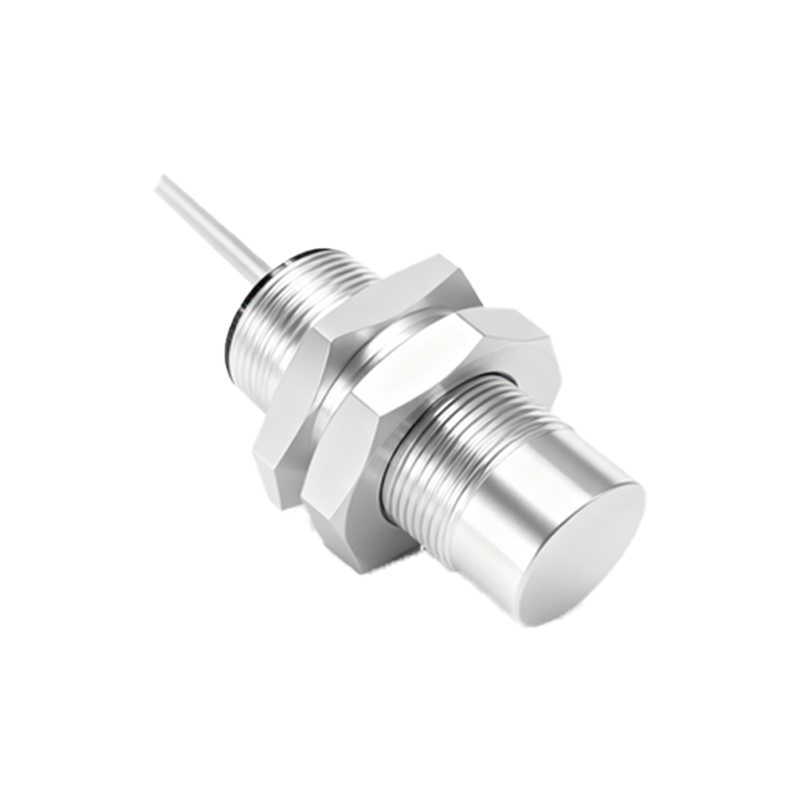
Innovation is another critical differentiator. The industrial landscape is evolving with Industry 4.0 and the Industrial Internet of Things (IIoT). Forward-thinking manufacturers are at the forefront, integrating smart features into their proximity sensors. This includes sensors with embedded diagnostics, predictive maintenance capabilities, and seamless connectivity via protocols like IO-Link, PROFINET, or EtherNet/IP. By offering these advanced solutions, they empower clients to build more intelligent, data-driven, and efficient operations.
While specific brand endorsements fall outside this guide's scope, identifying companies with the aforementioned traits is straightforward. Look for manufacturers with a long-standing industry presence, a diverse and proven portfolio, and a global network of distribution and service centers. Positive peer reviews in industry publications, active participation in technical forums, and a wealth of accessible application notes and white papers are strong indicators of thought leadership and reliability.
Ultimately, partnering with a trustworthy proximity sensor manufacturer is a strategic investment. It mitigates risk, enhances system performance, and fosters innovation. By prioritizing quality, expertise, transparency, and technological advancement in your selection criteria, you secure more than just a component supplier—you gain a dependable ally committed to the success and resilience of your automated systems. In an era where precision and uptime are directly linked to profitability, this partnership is indispensable.