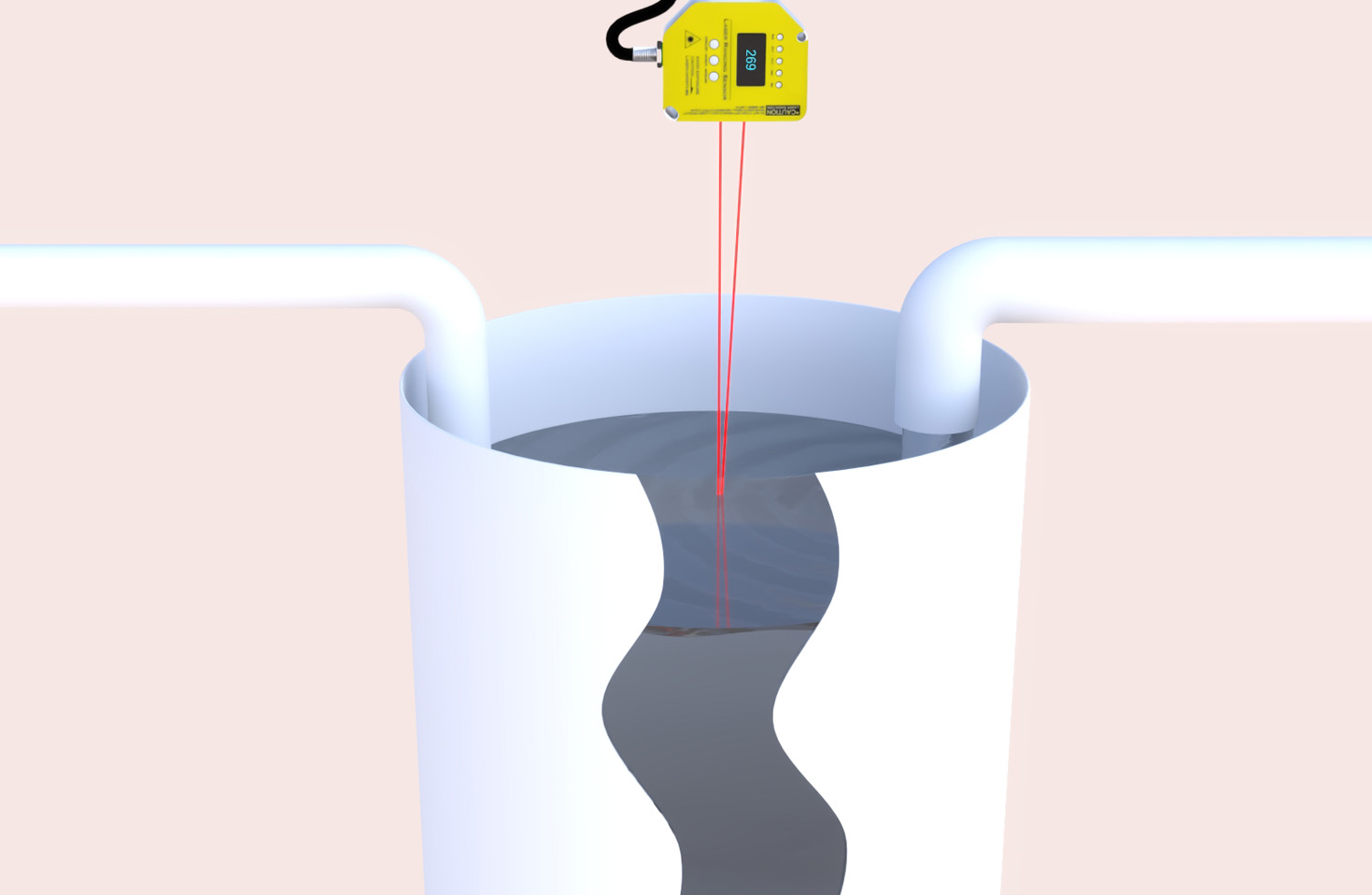
In the realm of industrial automation and quality control, laser displacement sensors have emerged as indispensable tools for achieving micron-level accuracy in non-contact measurement. These sophisticated devices operate on the principle of triangulation or time-of-flight, projecting a focused laser beam onto a target surface and analyzing the reflected light to determine distance with exceptional precision. The core advantage lies in their ability to measure delicate, hot, fast-moving, or otherwise inaccessible objects without physical contact, thereby eliminating the risk of damage or measurement distortion.
A typical laser displacement sensor comprises a laser diode, a receiving lens, and a position-sensitive detector (PSD) or CMOS/CCD array. When the emitted laser spot strikes the target, the reflected light is captured by the receiver. In triangulation-based sensors, the displacement of the reflected spot on the detector is geometrically calculated to derive the distance. This method excels in high-resolution applications, such as measuring thickness of thin films, vibration analysis of rotating machinery, or profiling surface contours. For longer ranges, time-of-flight sensors measure the phase shift or direct flight time of the laser pulse, suitable for larger-scale positioning tasks.
The applications span diverse sectors. In automotive manufacturing, these sensors ensure precise gap and flush measurements between body panels. Electronics assembly lines rely on them for solder paste inspection and component coplanarity checks. In metal processing, they monitor thickness and flatness during rolling operations. Furthermore, their high-speed sampling capabilities enable real-time feedback in robotic guidance systems, enhancing alignment and pick-and-place accuracy. Key performance parameters include measuring range, resolution (often down to 0.1 µm), linearity error, spot diameter, and response frequency. Selecting the appropriate model requires balancing these specs against environmental factors like ambient light, surface reflectivity, and material transparency.

Modern advancements integrate smart features such as embedded processors for in-sensor data processing, Ethernet/IP or IO-Link connectivity for seamless Industry 4.0 integration, and robust housings rated IP67 for harsh environments. Calibration remains critical; regular checks against traceable standards ensure sustained accuracy. As industries push toward tighter tolerances and smarter factories, laser displacement sensors continue to evolve, offering faster, more robust, and increasingly compact solutions. Their role in enabling precision-driven processes underscores their status as a cornerstone of contemporary metrology and automation.