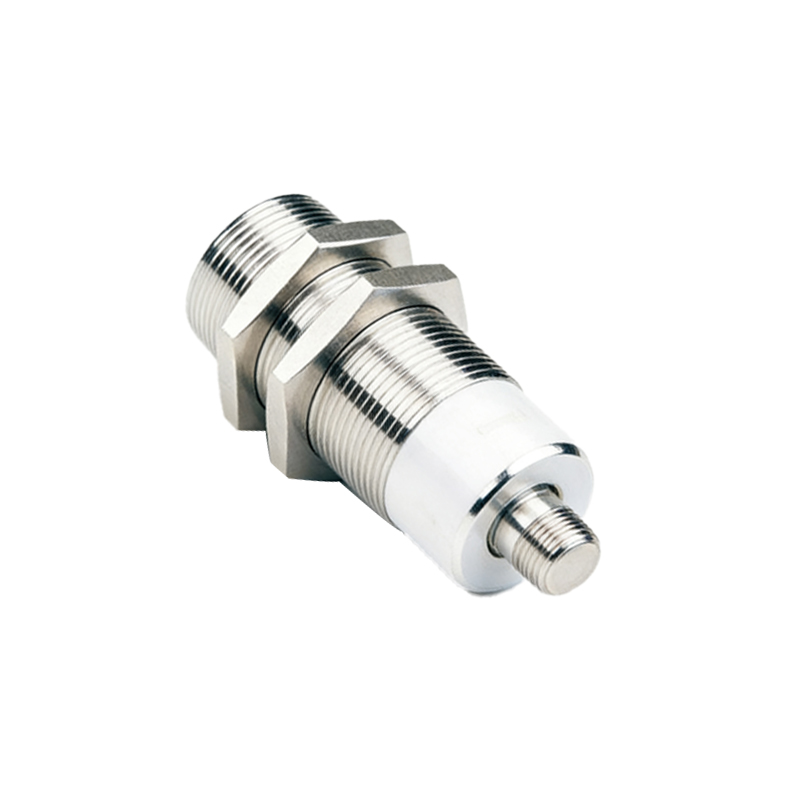
Fiber optic proximity sensors have revolutionized industrial automation by offering unparalleled precision, reliability, and versatility in challenging environments. Unlike traditional sensors that rely on electrical signals, these devices utilize light transmission through optical fibers to detect the presence, absence, or position of objects without physical contact. This technology is particularly advantageous in industries where electromagnetic interference, extreme temperatures, or hazardous conditions render conventional sensors ineffective.
The core mechanism of a fiber optic proximity sensor involves a light source, typically an LED or laser diode, which emits light through a fiber optic cable. When this light encounters a target object, it reflects back or modulates in intensity, and a photodetector within the sensor interprets these changes to trigger an output signal. This non-contact detection method minimizes wear and tear, ensuring long-term operational stability and reducing maintenance costs. Key variants include through-beam sensors, which separate the emitter and receiver for long-range detection, and diffuse reflective sensors, which integrate both components for compact applications.
In manufacturing and processing sectors, fiber optic proximity sensors are indispensable for tasks such as part counting, edge detection, and quality control. Their immunity to electrical noise makes them ideal for use in welding environments, high-voltage areas, and medical equipment sterilization processes. Additionally, their small form factor allows integration into tight spaces, such as robotic arms or conveyor systems, where precision is critical. Advanced models now feature adjustable sensing ranges, programmable logic, and compatibility with industrial communication protocols like IO-Link and Ethernet/IP, enhancing their adaptability in smart factories.
Recent innovations have further expanded the capabilities of these sensors. For instance, the development of multi-mode fibers has improved signal integrity over longer distances, while single-mode fibers offer higher resolution for minute object detection. Some manufacturers are incorporating artificial intelligence algorithms to enable predictive maintenance, where sensors analyze data trends to forecast potential failures before they occur. Environmental resilience has also seen upgrades, with sensors now capable of operating in temperatures ranging from -40°C to 85°C and resisting chemicals, dust, and moisture.
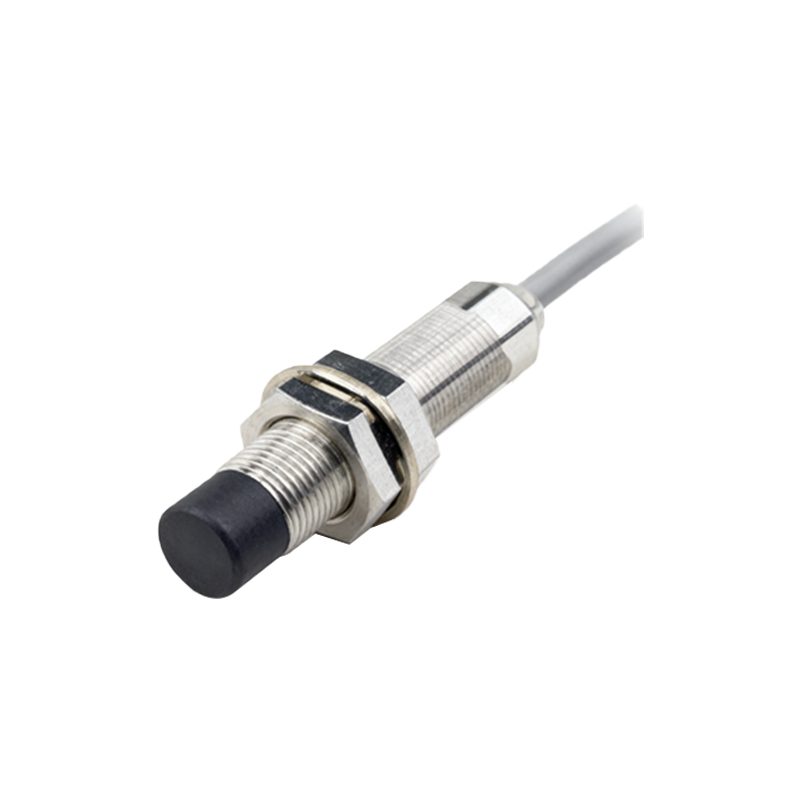
When selecting a fiber optic proximity sensor, engineers must consider factors such as sensing distance, response time, and target material. For example, dark or transparent objects may require specialized sensors with background suppression or polarized filters to ensure accurate detection. Installation best practices include proper alignment of fibers, avoiding sharp bends that could attenuate light signals, and using protective sheathing in abrasive settings. Regular calibration and cleaning of lens surfaces are recommended to maintain optimal performance.
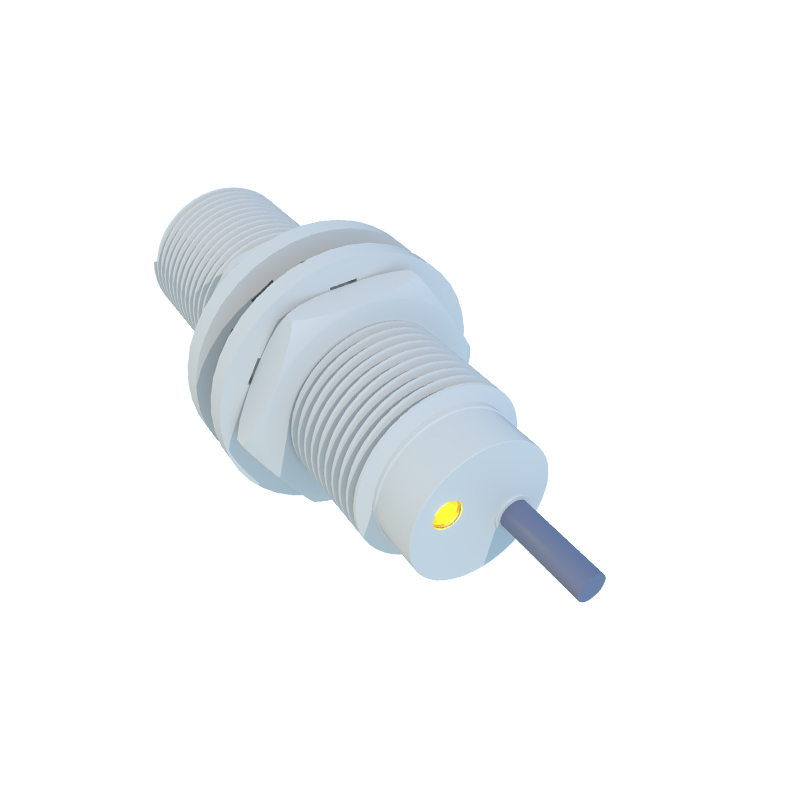
Looking ahead, the integration of fiber optic sensors with the Industrial Internet of Things (IIoT) is set to drive further advancements. Real-time data collection from these sensors can feed into centralized control systems, enabling dynamic process adjustments and energy efficiency improvements. As industries increasingly prioritize automation and safety, fiber optic proximity sensors will continue to evolve, offering smarter, more robust solutions for complex industrial challenges.