In the realm of industrial automation and control, the ability to detect the presence, absence, or position of an object without physical contact is paramount. Photoelectric proximity sensors stand as a cornerstone technology enabling this capability. These devices offer unparalleled reliability, versatility, and precision, making them indispensable across countless applications, from packaging and material handling to automotive assembly and pharmaceutical production. This article delves into the operational principles, primary types, key selection criteria, and best practices for implementing photoelectric sensors.
Fundamental Operating Principle
At its core, a photoelectric sensor operates by emitting a beam of light (visible red, infrared, or laser) and detecting changes in the received light signal. The basic components include an emitter (light source), a receiver (phototransistor or photodiode), and associated control circuitry. Detection occurs when the target object interrupts or reflects the light beam, causing a measurable change in the receiver's output. This change triggers an electrical switch signal, which can be used to control machinery, count items, or initiate subsequent processes.
Primary Types of Photoelectric Sensors
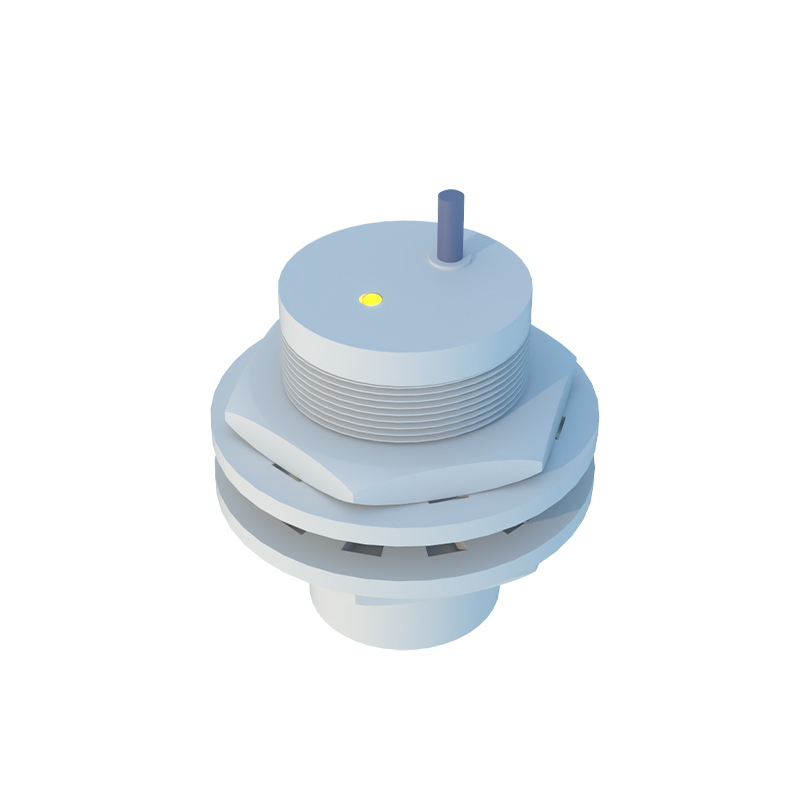
Photoelectric sensors are categorized based on their sensing method, each suited to specific environmental conditions and target materials.
1. Through-Beam (Opposed Mode): This configuration features separate, opposing units for the emitter and receiver. The emitter projects a continuous beam to the receiver. An object is detected when it breaks this beam. Through-beam sensors offer the longest sensing ranges and highest reliability, as they are less affected by target color, reflectivity, or surface angle. They are ideal for precise detection over long distances or in demanding environments, though installation requires alignment of two separate units.
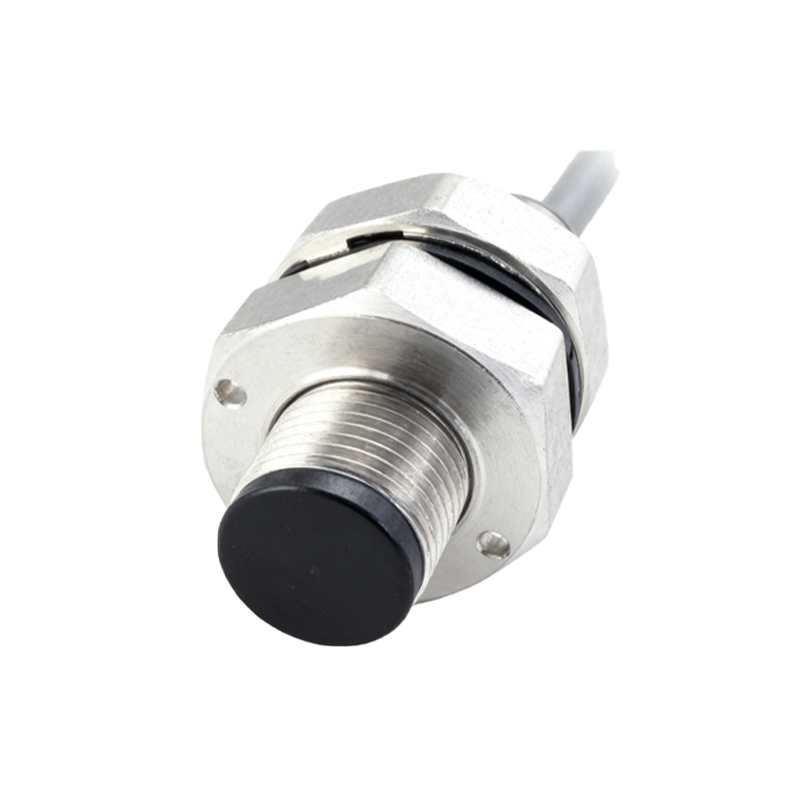
2. Retroreflective (Reflector Mode): Here, the emitter and receiver are housed in a single unit. The sensor emits light toward a specialized reflector (corner-cube retroreflector), which bounces the beam directly back to the receiver. Detection occurs when an object interrupts the path between the sensor and the reflector. This type simplifies wiring and alignment compared to through-beam sensors but may have a shorter range. Some models feature polarization filters to ignore shiny objects that could otherwise falsely reflect light like a mirror.
3. Diffuse (Proximity Mode): Also a single-unit design, diffuse sensors detect the light reflected directly off the target object itself. The emitter sends out light, and the receiver detects the diffuse reflection. Sensing distance depends heavily on the target's size, color, and surface texture (light, reflective surfaces are detected from farther away than dark, absorbent ones). This self-contained design is easy to install and is commonly used for short-range detection, object counting, and level sensing.
4. Background Suppression (BGS) / Fixed Field: A specialized diffuse type, BGS sensors use triangulation principles to detect objects only within a precisely defined sensing field, ignoring reflections from surfaces beyond a set distance. This makes them exceptionally reliable for detecting objects against complex or highly reflective backgrounds.
5. Fiber Optic Sensors: These utilize flexible fiber optic cables to guide light to and from a remote amplifier unit. The sensing tip at the end of the cable can be extremely small, allowing detection in tight spaces, high-temperature zones, or areas with high electromagnetic interference. They are perfect for miniature parts detection or harsh conditions.
Critical Selection Parameters
Choosing the correct photoelectric sensor requires careful analysis of the application:
Sensing Range: The required operating distance between the sensor and the target.
Target Characteristics: Size, color, material, and surface finish (matte, glossy, transparent).
Environmental Factors: Exposure to dust, moisture, oil, vibration, ambient light, and temperature extremes. Look for appropriate Ingress Protection (IP) ratings.
Output Type: Discrete outputs (PNP/NPN, NO/NC) or analog outputs for distance measurement.
Response Time: The speed at which the sensor can detect an object and change its output state, critical for high-speed production lines.
Housing & Form Factor: Cylindrical, rectangular, or slot-style housings to fit mounting constraints.
Installation and Maintenance Best Practices
Proper installation is key to optimal performance. Ensure stable mounting to minimize vibration-induced misalignment. Avoid mounting sensors facing each other to prevent crosstalk. For through-beam and retroreflective types, precise initial alignment is crucial; many modern sensors feature built-in alignment indicators (LEDs). Keep lenses clean from dust, dirt, and condensation. Regularly verify sensor operation as part of preventive maintenance schedules to avoid unplanned downtime.
Conclusion
Photoelectric proximity sensors provide a robust, non-contact solution for a vast array of detection challenges in industrial settings. Understanding the distinct advantages and limitations of each sensing mode—