Area laser sensors have emerged as a transformative technology in industrial automation, offering high-precision, non-contact measurement and inspection capabilities. Unlike traditional point or line lasers, these sensors project a two-dimensional laser pattern onto a target surface, capturing detailed topographic data over a wide area in a single scan. This enables rapid and comprehensive analysis of object dimensions, surface defects, contours, and positional alignment.
In manufacturing, area laser sensors are extensively used for quality control on production lines. For instance, in automotive assembly, they verify the precise fit of body panels, measure gap dimensions between components, and detect surface irregularities like dents or scratches. The sensors provide micron-level accuracy, ensuring that every vehicle meets stringent quality standards. Similarly, in electronics manufacturing, they inspect solder joint quality, component placement accuracy, and PCB flatness, reducing defects and minimizing rework.
Logistics and warehousing benefit significantly from area laser sensors in volume measurement and package sorting. By quickly scanning parcels on conveyor belts, these sensors calculate dimensions and weight estimates, optimizing storage space and shipping costs. They also guide robotic arms in picking and placing items with high precision, enhancing operational efficiency in automated distribution centers.
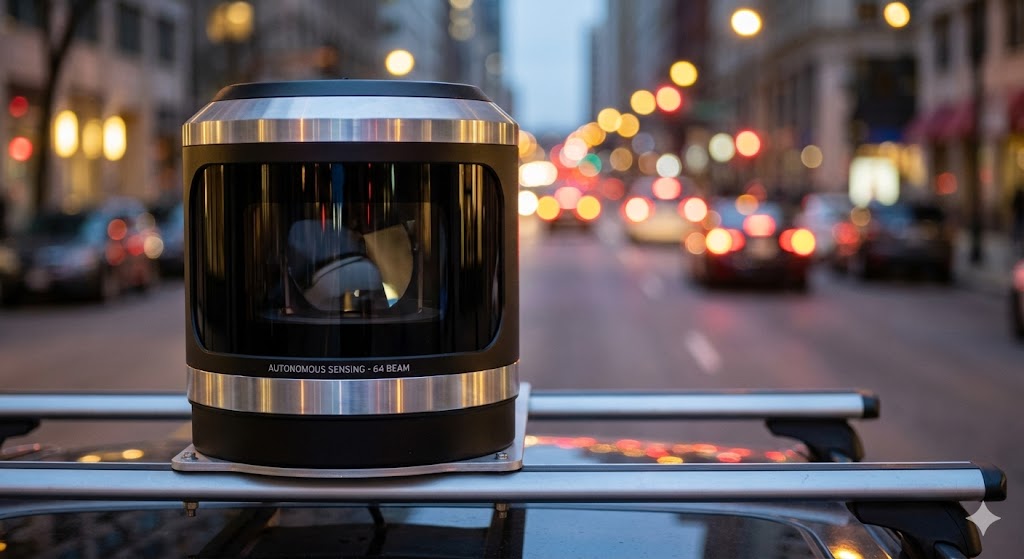
Another critical application is in robotics and autonomous systems. Area laser sensors serve as 3D vision systems, enabling robots to perceive their environment, navigate complex spaces, and manipulate objects with dexterity. In collaborative robotics, they ensure safety by detecting human presence and adjusting movements accordingly. Additionally, in aerospace and heavy machinery, these sensors monitor structural deformations, align large components during assembly, and conduct wear analysis on critical parts.

The integration of area laser sensors with IoT and AI technologies has further expanded their utility. Real-time data from sensors can be fed into predictive maintenance systems to anticipate equipment failures, or into adaptive control systems to adjust machining parameters dynamically. This synergy drives the evolution of smart factories, where processes are increasingly autonomous, efficient, and data-driven.
Despite their advantages, challenges such as environmental interference (e.g., ambient light or vibrations) and high initial costs persist. However, ongoing advancements in sensor resolution, processing algorithms, and cost reduction are making this technology more accessible across industries. As Industry 4.0 progresses, area laser sensors will continue to play a pivotal role in enhancing precision, productivity, and innovation in industrial applications.