Micro proximity sensors are essential components in modern automation systems, offering non-contact detection capabilities for precise control and monitoring. These compact devices operate based on electromagnetic, capacitive, or optical principles, each suited to specific industrial environments. Key specifications determine their performance and suitability for applications such as assembly lines, robotics, and packaging machinery.
The sensing range is a primary parameter, typically ranging from 1 mm to 20 mm for micro sensors. Inductive models detect metallic objects, with ranges influenced by the target material—steel provides the standard reference, while aluminum or copper may reduce effective distance. Capacitive sensors can sense non-metallic materials like plastics or liquids, with ranges adjusted via sensitivity controls. Response time, often measured in milliseconds, indicates how quickly the sensor reacts to target presence; high-speed applications may require values below 1 ms.
Output types include NPN, PNP, or analog signals (e.g., 4-20 mA, 0-10 V), with configurations like normally open or normally closed. Voltage ratings, commonly 10-30 V DC, must match control systems to prevent damage. Environmental ratings are critical: IP67 or IP68 enclosures protect against dust and water ingress, while temperature tolerance (e.g., -25°C to 70°C) ensures reliability in harsh conditions. Repeat accuracy, within microns, defines consistency in detection positioning.
Mounting dimensions and housing materials (e.g., stainless steel, PBT plastic) affect integration and durability. Shielding options—shielded sensors minimize electromagnetic interference in tight spaces, while unshielded versions offer extended ranges. Additional features like IO-Link communication enable real-time diagnostics and parameter adjustments.
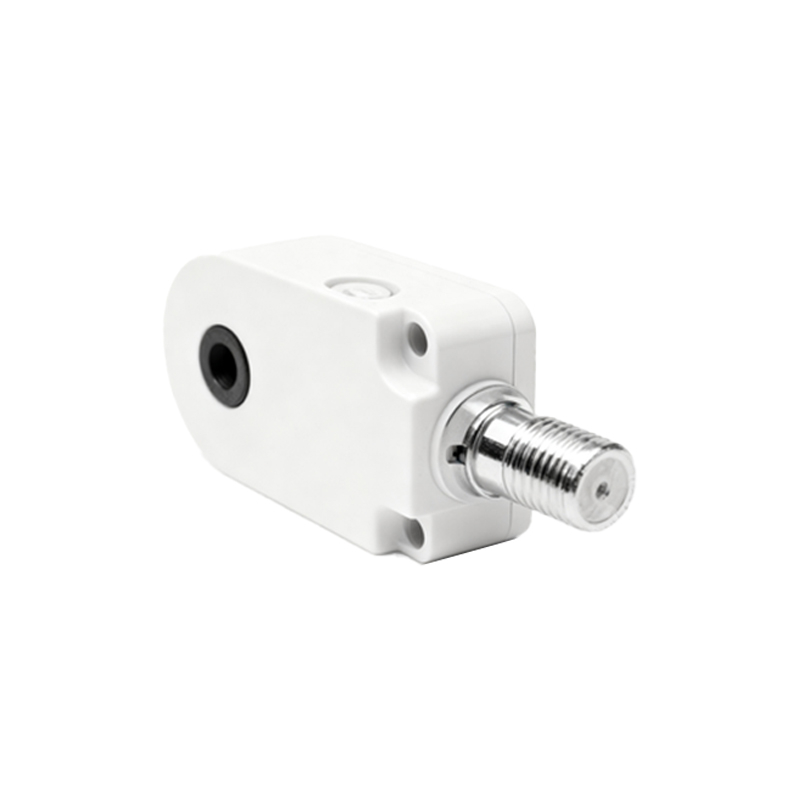
Selecting a micro proximity sensor involves balancing these specs with application needs: consider target material, required precision, environmental stressors, and compatibility with controllers. Regular calibration and adherence to manufacturer guidelines extend sensor lifespan and maintain system efficiency.