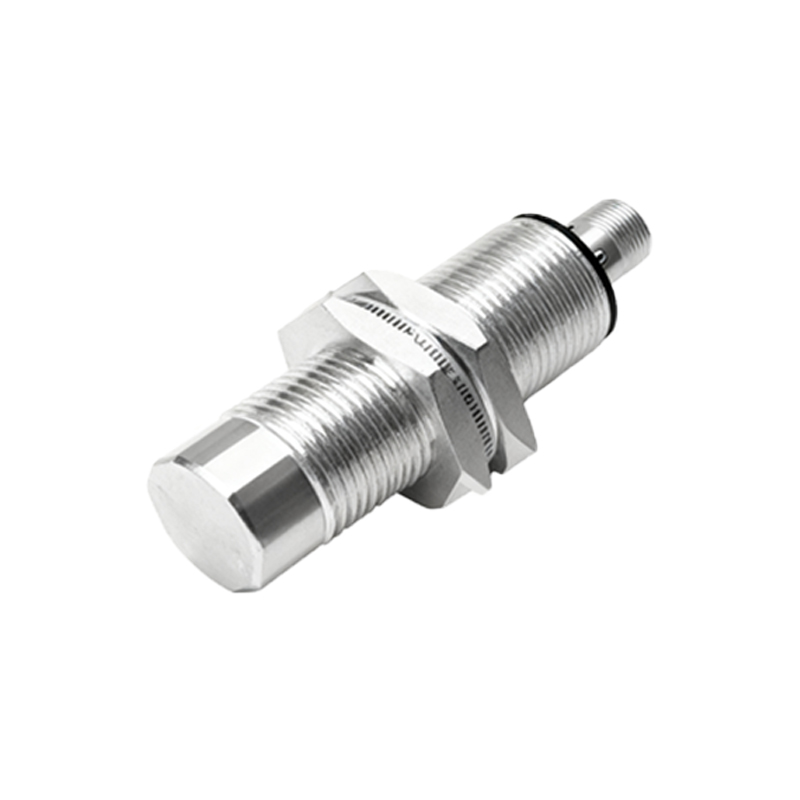
Selecting the appropriate proximity sensor model is a critical decision in industrial automation and control systems. These non-contact devices detect the presence or absence of objects and are essential for ensuring efficiency, safety, and reliability. With various technologies and specifications available, choosing the right model requires a systematic approach based on application requirements. This guide outlines key factors to consider during the selection process.
First, identify the sensing technology needed. Inductive proximity sensors are ideal for detecting metallic objects, utilizing electromagnetic fields to sense ferrous and non-ferrous metals. They are robust, resistant to environmental contaminants like dust or oil, and commonly used in machining, assembly, and material handling. Capacitive sensors, on the other hand, can detect both metallic and non-metallic materials, including liquids, plastics, and wood. They operate by measuring changes in capacitance and are suitable for level detection, packaging, or food processing applications. Ultrasonic sensors use sound waves to detect objects, offering longer sensing ranges and the ability to sense transparent or irregularly shaped items, making them useful in logistics and automotive industries. Photoelectric sensors employ light beams to detect objects and are versatile for long-range or color-based detection but may be affected by ambient light or dirty environments.
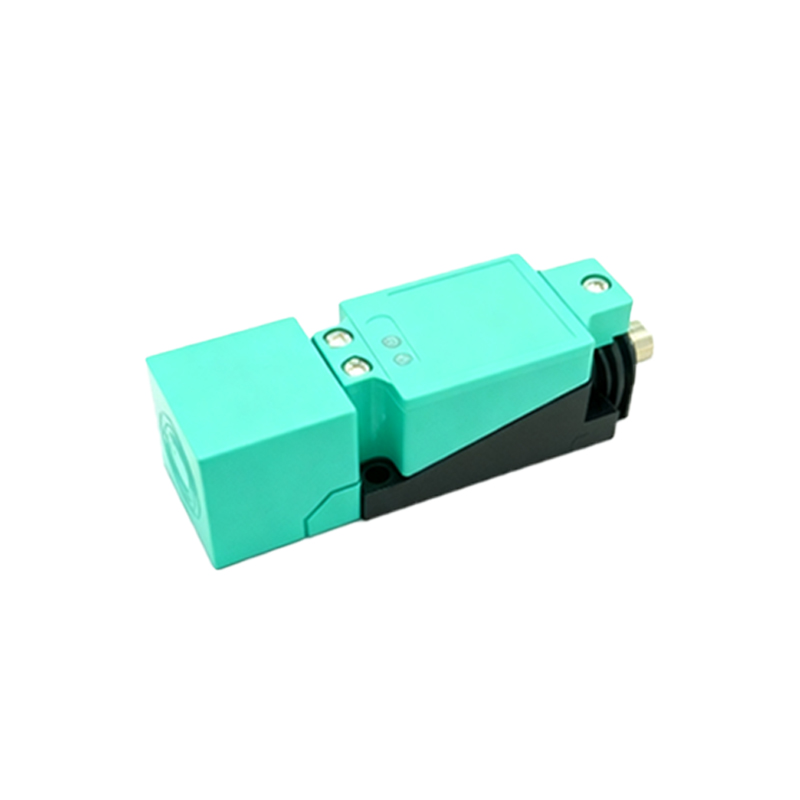
Next, evaluate the sensing range and installation constraints. The sensing distance, specified by the manufacturer, must accommodate the application's object positioning and movement. Consider the mounting style—flush-mounted, non-flush, or cylindrical designs—which affects the sensor's performance and integration into machinery. Environmental conditions are crucial; factors like temperature extremes, humidity, vibration, and exposure to chemicals or washdowns dictate the required ingress protection (IP) rating and housing material (e.g., stainless steel for corrosive settings). Electrical characteristics, such as output type (PNP vs. NPN, analog vs. digital), voltage supply, and current capacity, must match the control system's compatibility to avoid malfunctions.
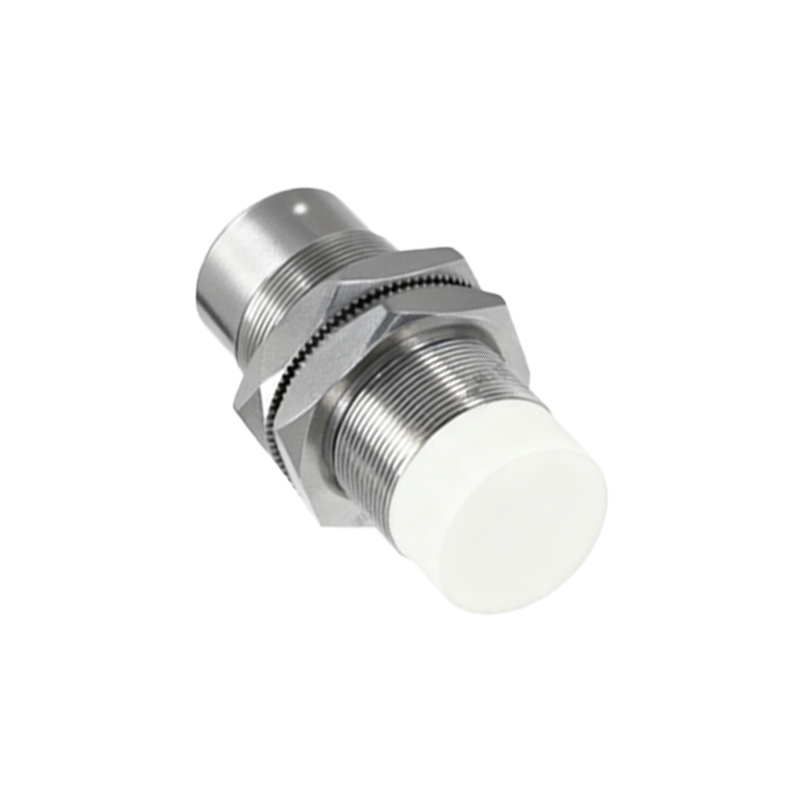
Additionally, assess response time and switching frequency for high-speed applications, ensuring the sensor can keep pace with rapid production cycles. For specialized needs, consider features like built-in diagnostics, IO-Link connectivity for smart factory integration, or explosion-proof certifications for hazardous areas. Always consult datasheets and manufacturer guidelines to verify performance metrics. By methodically analyzing these parameters—technology, range, environment, electrical specs, and extra features—engineers can select a proximity sensor model that optimizes operational performance, reduces downtime, and enhances system longevity. Test the sensor in real-world conditions if possible, and prioritize quality from reputable brands to ensure durability and accuracy in demanding industrial settings.
In summary, proximity sensor selection is not a one-size-fits-all process. It demands a thorough understanding of the application's technical and environmental demands. Investing time in proper model selection pays off through improved automation efficiency, reduced maintenance costs, and reliable object detection across diverse industrial scenarios.