In the intricate world of industrial automation, where functionality often dictates form, the choice of a component's color might seem like a trivial afterthought. However, for proximity sensors, the prevalent use of black housings is a deliberate and technically significant decision that extends far beyond mere aesthetics. This article delves into the reasons behind the dominance of black in proximity switch sensors, exploring the material science, environmental considerations, and practical benefits that make it the industry standard.
At its core, a proximity sensor is a non-contact device designed to detect the presence or absence of an object within its sensing range. These sensors are ubiquitous, found in manufacturing lines, packaging machinery, automotive assembly, and countless other harsh industrial environments. The housing, typically made from engineering plastics like PBT (Polybutylene Terephthalate) or metals such as nickel-plated brass or stainless steel, serves as the first line of defense. When this housing is black, it is almost invariably due to the addition of carbon black pigment during the manufacturing process.
The primary technical rationale for using black pigmentation is enhanced durability and resistance to environmental stressors. Carbon black is a potent ultraviolet (UV) light stabilizer. Industrial settings, especially those with exposure to sunlight or specific types of factory lighting, subject equipment to continuous UV radiation. This radiation can cause photodegradation in unprotected plastics, leading to embrittlement, cracking, color fading, and a subsequent reduction in mechanical strength and sealing integrity. A black housing effectively absorbs and dissipates UV radiation, significantly prolonging the sensor's operational lifespan and maintaining its structural reliability. This is crucial for sensors deployed in outdoor applications or near large windows in factories.
Furthermore, the black color aids in managing heat. While proximity sensors themselves generate minimal heat, they are often installed near motors, drives, or other heat-producing machinery. Darker colors, in theory, are better radiators of heat. Although the effect might be marginal for small sensors, it contributes to overall thermal stability, preventing the internal electronics from overheating in already warm environments. For metal-housed sensors, a black oxide coating or similar finish provides excellent corrosion resistance, which is vital in environments with coolants, oils, or washdown procedures common in food and beverage or pharmaceutical industries.
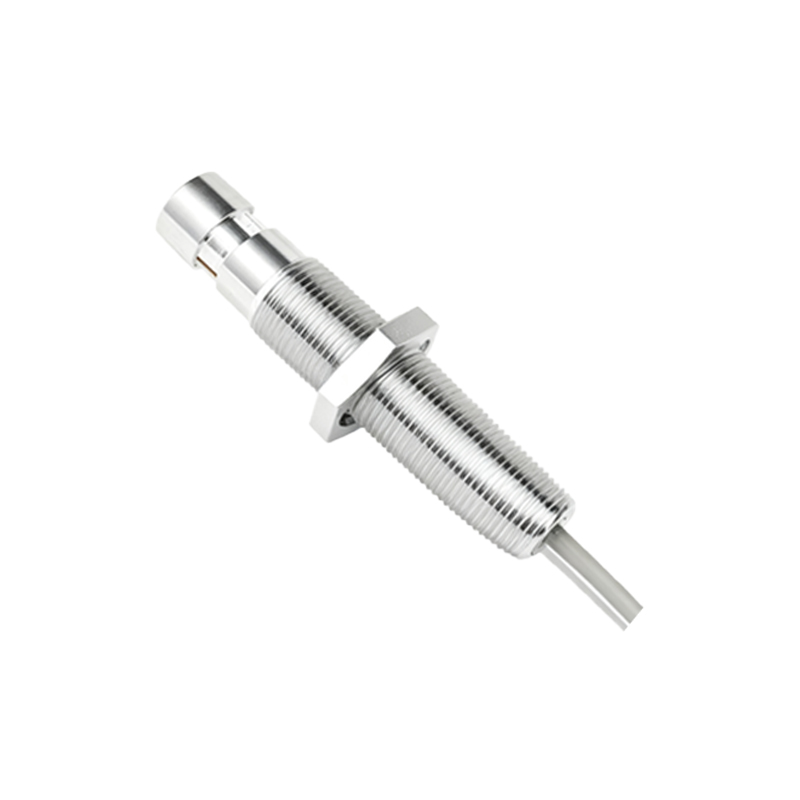
From a practical and human-factor standpoint, black offers distinct advantages. In dusty or dirty industrial environments, light-colored housings can quickly appear soiled, potentially obscuring status LEDs or labeling. A black housing is more forgiving, maintaining a professional and clean appearance for longer periods. It also provides superior contrast for laser-etched or printed markings, part numbers, and connection diagrams, improving readability for technicians during installation, maintenance, and troubleshooting. The matte finish typical of many black sensors helps reduce light reflection and glare, which can be a nuisance in well-lit production areas.
The material choice is intrinsically linked to the color. PBT plastic, renowned for its excellent electrical insulation, dimensional stability, and resistance to chemicals and heat, readily accepts carbon black pigment. This combination results in a sensor body that is not only robust against UV and physical impact but also resistant to a wide range of industrial chemicals like oils, greases, and dilute acids. For even more demanding applications, sensors with black, laser-weldable plastics are used to achieve extremely high ingress protection (IP67, IP69K) ratings, ensuring complete sealing against dust and high-pressure water jets.
It is important to note that while black is predominant, other colors exist for specific purposes. Some manufacturers use blue or gray to differentiate between sensor types (e.g., inductive versus capacitive) or output configurations within their product families. However, these alternatives often incorporate UV stabilizers through other chemical additives, as they lack the inherent protection of carbon black. For the most challenging environments, the black sensor remains the benchmark.
In conclusion, the prevalence of black proximity switch sensors is a testament to the industry's focus on reliability, longevity, and performance. It is a color born out of engineering necessity rather than stylistic choice. The incorporation of carbon black creates a housing that effectively shields sensitive internal components from the degrading effects of ultraviolet light, contributes to thermal management, and withstands the rigors of chemical and physical exposure. When specifying sensors for a new production line or a retrofit project, the humble black housing represents a critical feature—a small detail that ensures continuous, fail-safe operation and reduces total cost of ownership by minimizing downtime and replacement frequency. Therefore, the next time you see a black proximity sensor on a machine, recognize it not just as a component, but as an optimized product of material science designed to endure.