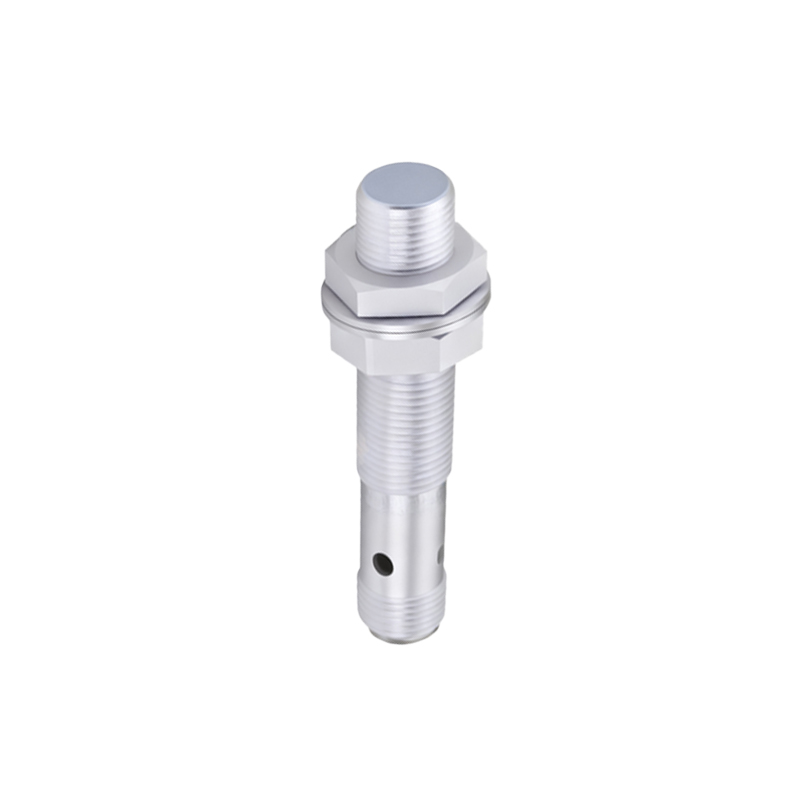
In the realm of industrial automation and control systems, proximity sensors stand as fundamental components for non-contact detection of objects. These devices, often referred to as "proximity switches" or "prox sensors," are engineered to detect the presence or absence of a target within a specified sensing range without any physical contact. This capability is crucial for enhancing operational efficiency, ensuring safety, and enabling precise control in various automated processes. Among the diverse categories, inductive and capacitive proximity sensors are the most prevalent, each tailored to specific material types and environmental conditions.
Inductive proximity sensors are primarily designed to detect metallic objects. They operate on the principle of electromagnetic induction. The sensor generates an oscillating electromagnetic field from its active face. When a metallic target enters this field, it induces eddy currents within the metal, which in turn dampens the oscillation amplitude of the sensor's internal circuit. This change triggers a switching signal, indicating the object's presence. These sensors are highly reliable for detecting ferrous metals like steel and iron, and some models can also sense non-ferrous metals such as aluminum or copper, albeit with a reduced sensing range. Their robustness against environmental contaminants like dust, oil, and coolants makes them ideal for harsh industrial settings, including machine tools, material handling systems, and robotic assembly lines.
Conversely, capacitive proximity sensors are versatile detectors capable of sensing a wide array of materials, including metals, plastics, glass, liquids, and granular substances. They function by generating an electrostatic field. The sensor measures the capacitance between its electrode and the ground. When any material with a dielectric constant different from air enters the sensing field, it alters the capacitance, prompting the sensor to switch its output state. This makes capacitive sensors invaluable in applications involving non-metallic object detection, level control of liquids or powders, and even as touch-sensitive controls. However, they can be susceptible to environmental factors like humidity and temperature fluctuations, which may affect their sensitivity and require careful calibration.
Beyond these, other specialized types include ultrasonic proximity sensors, which use sound waves for longer-range detection, and photoelectric sensors, which employ light beams. However, for close-range, high-speed, and reliable detection of metallic objects in manufacturing, inductive sensors remain the industry standard. The term "DT" in some sensor model designations often refers to specific technical characteristics, such as "Detection Type" or a manufacturer's series code indicating features like extended sensing distance, temperature tolerance, or output configuration (e.g., NPN or PNP).
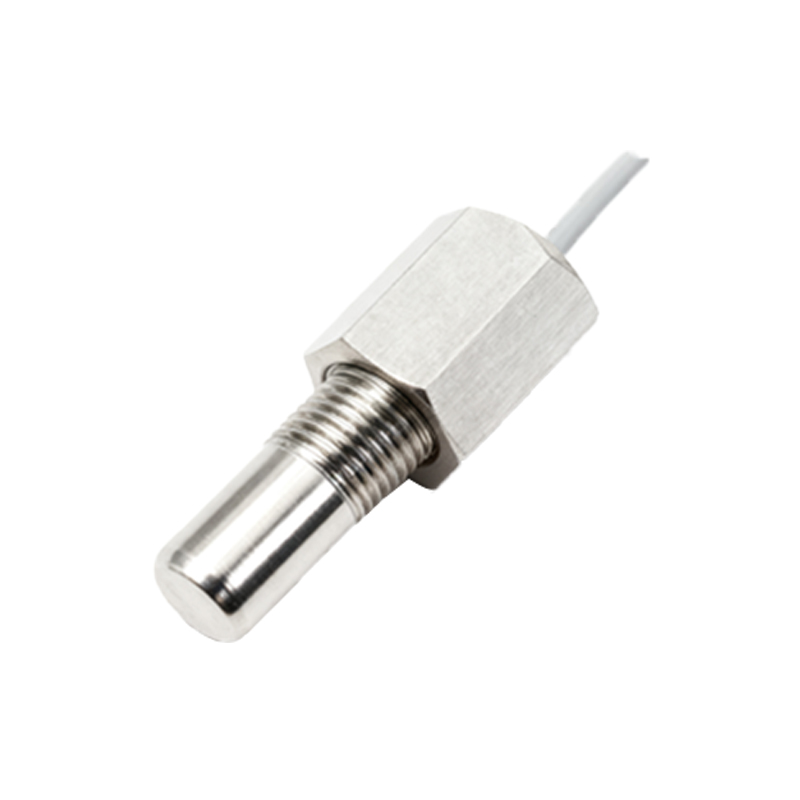
Selecting the appropriate proximity sensor demands a thorough analysis of the application requirements. Key parameters include the sensing distance, target material, size, and shape; environmental conditions like temperature, presence of chemicals, or washdown needs; electrical requirements such as supply voltage and output type (digital or analog); and required response time and switching frequency. For instance, in a high-speed packaging line detecting small metal components, a compact, high-frequency inductive sensor with a short reset time would be essential. In contrast, monitoring the fill level of a plastic resin hopper would necessitate a capacitive sensor with appropriate sensitivity adjustment.
Installation and maintenance are equally critical. Proper mounting, ensuring adequate clearance from other metal objects to avoid false triggering, and regular cleaning of the sensing face from debris are standard best practices. Modern advancements have led to sensors with integrated IO-Link communication, enabling real-time diagnostics, parameter adjustment, and predictive maintenance data, thereby reducing downtime and improving system intelligence.
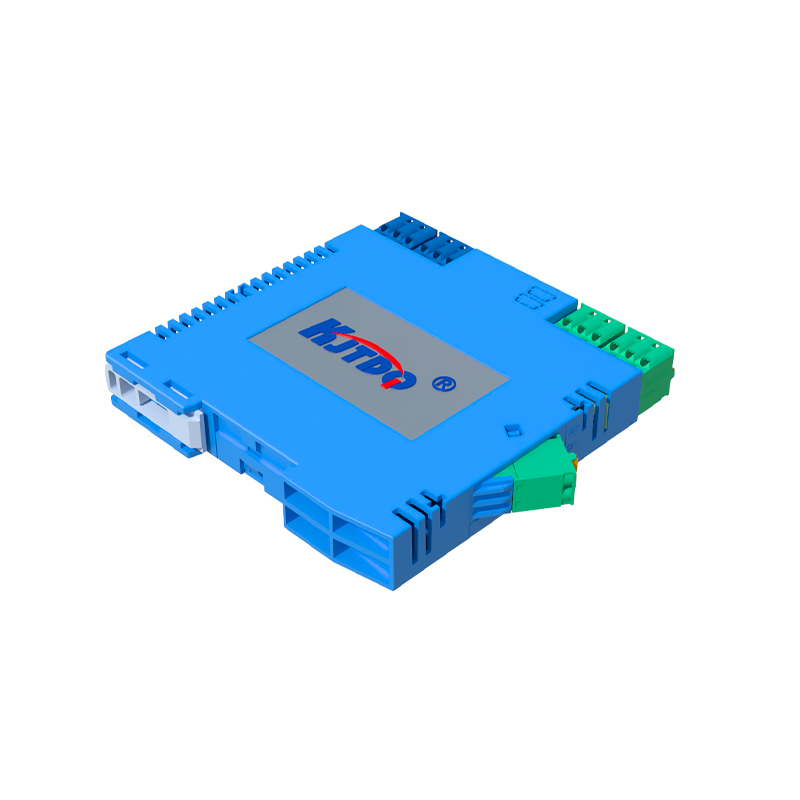
In conclusion, proximity sensors are indispensable in modern industrial automation. Their ability to provide reliable, non-contact detection translates into enhanced productivity, improved safety by replacing mechanical limit switches, and greater process flexibility. Understanding the operational principles, types, and selection criteria of these sensors allows engineers and system integrators to design more efficient, resilient, and intelligent automated systems, driving forward the capabilities of smart manufacturing and Industry 4.0 initiatives.