In the realm of industrial automation and control systems, proximity sensors are indispensable components for detecting the presence or absence of objects without physical contact. Among the diverse technologies available, magnetic switch proximity sensors, particularly those in the Normally Open (NO) configuration, stand out for their reliability, simplicity, and robustness in demanding environments. This article delves into the operational principles, key advantages, and typical applications of these sensors, providing a comprehensive overview for engineers and system integrators.
At its core, a magnetic switch proximity sensor operates on the fundamental interaction between a sensor element and a magnetic field. The most common type utilizes a reed switch—a pair of ferromagnetic, flexible metal reeds sealed within a glass tube filled with an inert gas. In the absence of a suitable magnetic field, the reeds remain separated, resulting in an open circuit. This defines the "Normally Open" state. When a permanent magnet, often called an actuator or target, approaches within the sensor's specified sensing range, the magnetic field causes the reeds to magnetize, attract each other, and make contact. This closes the circuit, allowing current to flow and signaling the detection of the target. The switch returns to its open state once the magnet is removed beyond the release point. This binary, on/off operation is elegantly simple.
The NO configuration offers several distinct advantages that make it a preferred choice in many scenarios. Firstly, its fail-safe nature is critical for safety and monitoring applications. In a NO setup, the circuit is open under normal, non-detected conditions. A wire break or power loss to the sensor will also result in an open circuit, which can be easily interpreted by the control system as a fault or "no detection" state, triggering appropriate alarms or safety protocols. This contrasts with a Normally Closed (NC) sensor, where a fault might be misinterpreted as a continuous detection signal. Secondly, magnetic switches are renowned for their longevity and reliability. With no moving mechanical parts subject to wear (the reed movement is minimal and within the sealed enclosure) and no requirement for an external power supply to generate a sensing field, they can achieve billions of operational cycles. They are inherently immune to contaminants like dust, oil, moisture, and vibrations, making them ideal for harsh industrial settings—from machine tools and hydraulic cylinders to outdoor and washdown environments. Furthermore, their design allows for compact form factors and easy installation, often requiring only a simple bracket to mount the sensor and a magnet on the moving part.
The application spectrum for magnetic switch proximity sensors (NO) is vast. A quintessential use is in cylinder position sensing. A magnet embedded in the piston of a pneumatic or hydraulic cylinder actuates a NO sensor mounted on the cylinder barrel, providing precise feedback on whether the piston is in the retracted or extended position. This feedback is crucial for sequencing control in automated machinery. They are extensively used as door and cover position sensors on machinery guards, safety interlocks, and enclosures. The NO sensor confirms the guard is securely closed before machine operation can commence, ensuring operator safety. In material handling, they detect the presence of ferrous objects on conveyors or the open/closed status of gates and hatches. Their robustness also makes them suitable for use in mobile equipment, agricultural machinery, and automotive applications for tasks like gear position sensing or brake wear detection.
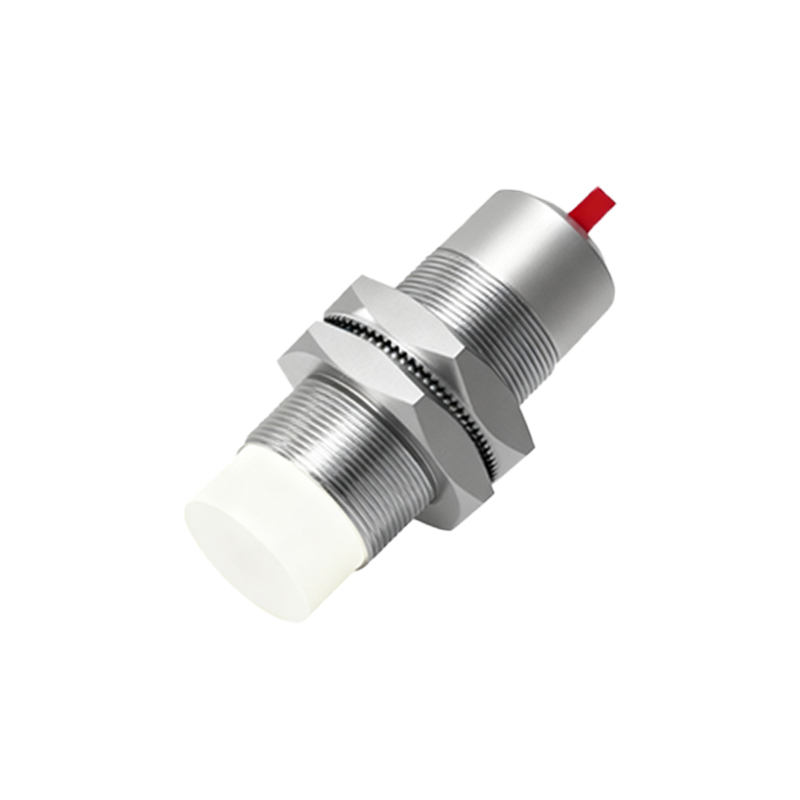
When selecting a magnetic switch proximity sensor, key parameters must be considered. The sensing distance, typically a few millimeters to tens of millimeters, is a critical specification and is influenced by magnet strength, size, and orientation. The switch rating (voltage and current capacity) must match the control circuit requirements. Environmental ratings, such as IP (Ingress Protection) for dust and water resistance and temperature range, are vital for ensuring reliable operation in the intended location. Engineers must also account for factors like switching hysteresis (the difference between the operate and release points) and the potential influence of external magnetic fields.
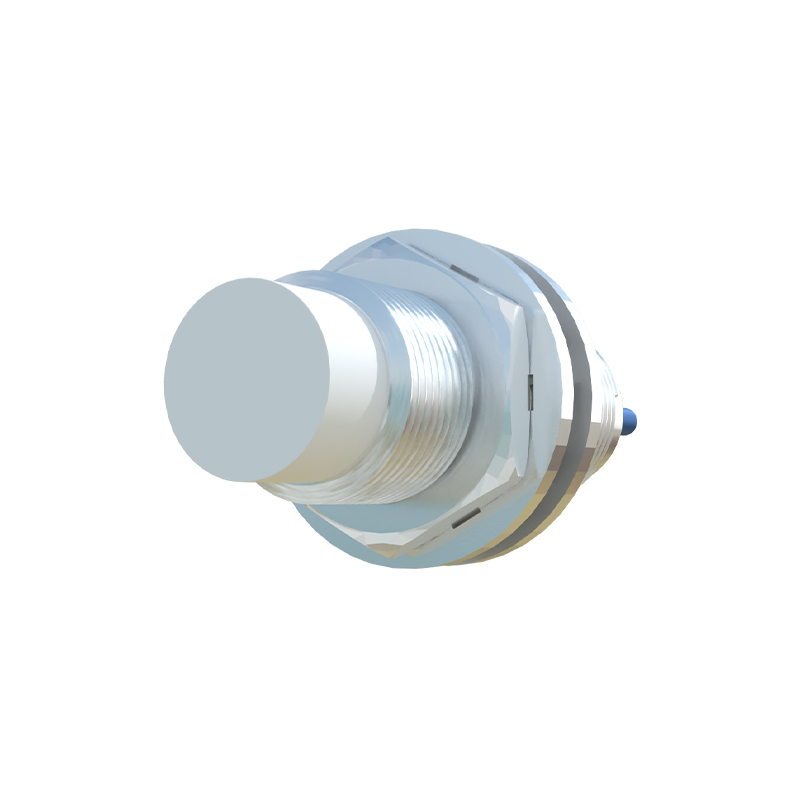
In conclusion, the magnetic switch proximity sensor in a Normally Open configuration represents a mature, highly reliable, and cost-effective sensing solution. Its fail-safe characteristic, exceptional durability in tough conditions, and straightforward interface make it a cornerstone of modern industrial control systems. As automation continues to evolve, these sensors will undoubtedly remain a trusted component for providing simple, binary position feedback across countless machines and processes, proving that sometimes, the most elegant solutions are also the most fundamentally sound.