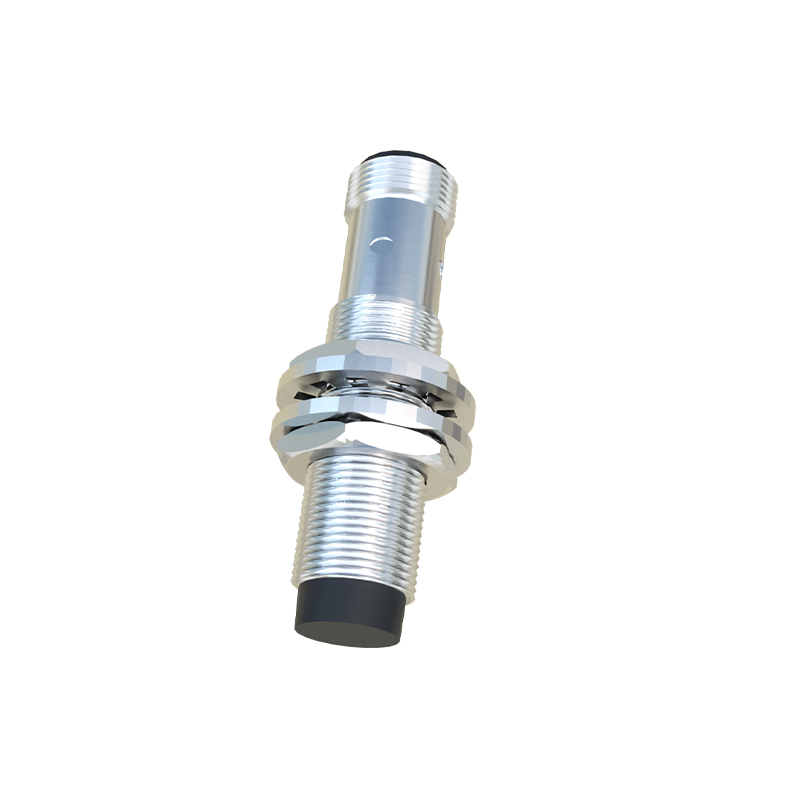
In the realm of industrial automation and control systems, the selection between proximity sensors and limit switches is a critical decision that impacts efficiency, reliability, and cost. Both devices serve as essential components for detecting the presence or position of objects, yet they operate on fundamentally different principles and are suited to distinct applications. Understanding their differences, advantages, and limitations is key to optimizing machinery performance.
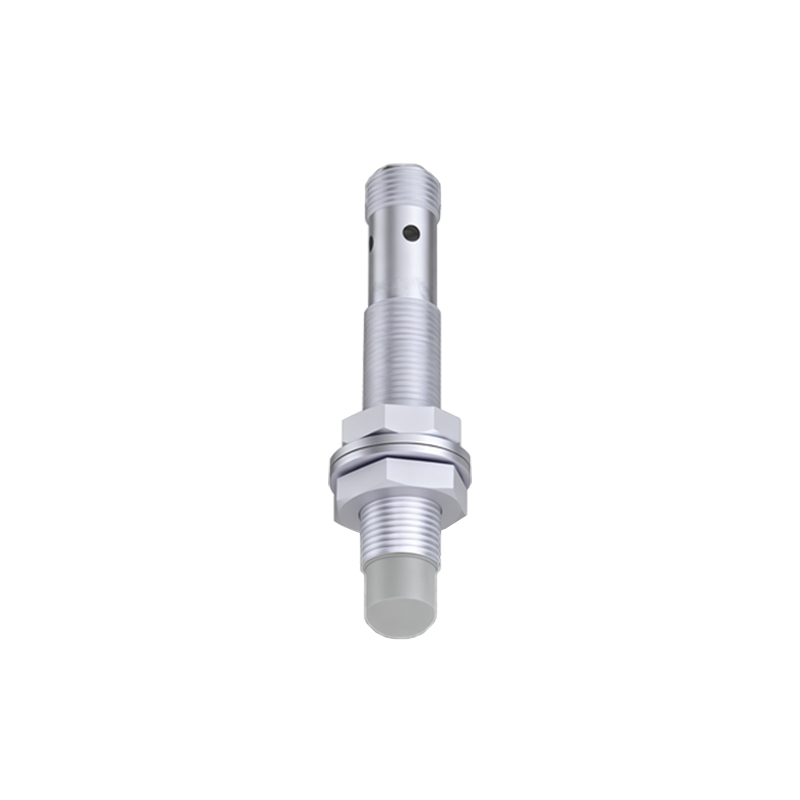
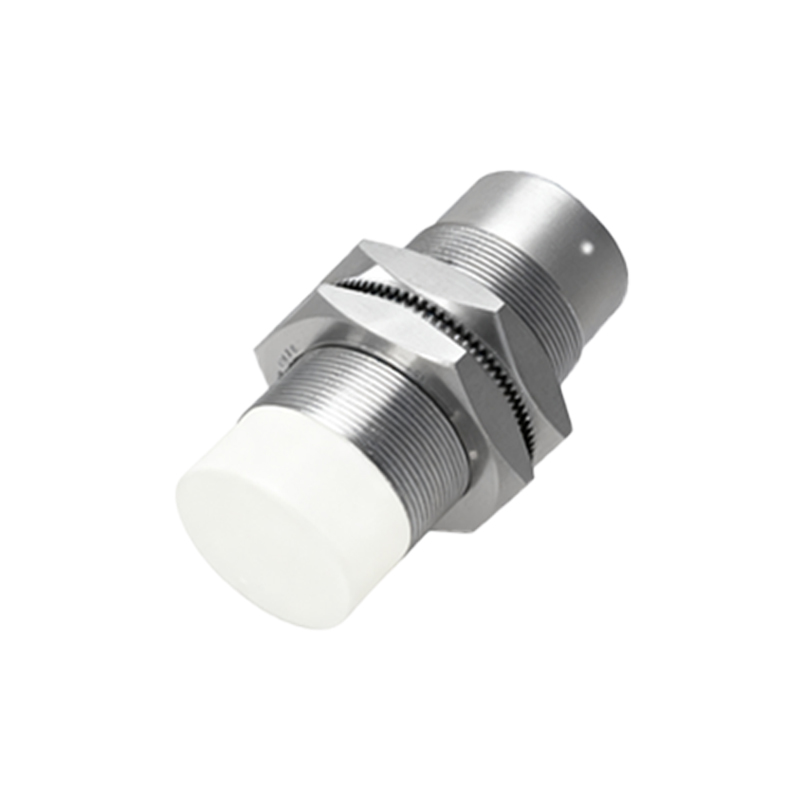
Proximity sensors are non-contact devices that detect the presence of metallic or non-metallic objects without physical interaction. They utilize various technologies, including inductive, capacitive, ultrasonic, and photoelectric methods. Inductive proximity sensors, for instance, generate an electromagnetic field to detect ferrous metals, making them ideal for harsh environments with dust, oil, or moisture. Capacitive sensors can detect both metallic and non-metallic materials, such as plastics or liquids, by measuring changes in capacitance. These sensors offer high-speed operation, often with response times in milliseconds, and are known for their durability due to the absence of moving parts. They are commonly used in applications like conveyor systems, robotic arms, and packaging machinery, where rapid and precise detection is paramount. However, their performance can be influenced by environmental factors like temperature fluctuations or electromagnetic interference, and they may require careful calibration for specific materials.
In contrast, limit switches are electromechanical devices that rely on physical contact to detect an object's position. When an object, such as a machine part or product, makes contact with the switch's actuator, it triggers a mechanical movement that opens or closes an electrical circuit. This simple, robust design makes limit switches highly reliable and easy to install, with no need for complex wiring or programming in many cases. They are often preferred in applications where a definitive physical stop or position verification is needed, such as in crane systems, door controls, or safety interlocks. Limit switches can handle high current loads directly, reducing the need for additional relays in some circuits. However, their mechanical nature leads to wear and tear over time, especially in high-cycle operations, which can result in maintenance requirements and potential downtime. Additionally, their slower response times compared to proximity sensors may not suit high-speed automation processes.
When comparing the two, several factors come into play. Proximity sensors excel in scenarios requiring fast, non-contact detection with minimal maintenance, but they tend to be more expensive upfront and may have limitations in detecting certain materials. Limit switches, on the other hand, offer cost-effectiveness and simplicity, particularly in low-speed or heavy-duty environments, though they incur higher long-term maintenance costs due to mechanical wear. In terms of installation, proximity sensors often require precise alignment and shielding from interference, while limit switches need consideration for actuator positioning and physical space.
From an industry perspective, the trend is shifting toward increased adoption of proximity sensors in modern automation, driven by demands for higher speed, precision, and reduced mechanical failure. However, limit switches remain indispensable in many traditional or safety-critical applications where physical confirmation is non-negotiable. Engineers must evaluate specific requirements, such as operating environment, object material, cycle speed, and budget, to make an informed choice. In some systems, a hybrid approach using both devices can leverage their respective strengths—for example, using a proximity sensor for initial detection and a limit switch for final position verification.
Ultimately, both proximity sensors and limit switches play vital roles in industrial automation. By understanding their technical nuances and application contexts, professionals can design more efficient, reliable, and cost-effective control systems that meet the evolving needs of manufacturing and processing industries.