Proximity sensors are indispensable components in modern industrial automation, providing non-contact detection of metallic and non-metallic objects. However, their performance is significantly influenced by environmental factors, with temperature being one of the most critical variables. Understanding and mitigating temperature effects is essential for ensuring reliability, accuracy, and longevity in demanding applications.
Temperature impacts proximity sensors through multiple physical mechanisms. For inductive sensors, which detect ferrous and non-ferrous metals, temperature changes alter the electrical properties of internal coils and oscillator circuits. As temperature rises, the resistance of copper windings increases, leading to reduced current flow and potential shifts in the sensor’s oscillation frequency. This can cause variations in the nominal sensing distance—typically specified at room temperature (20–25°C)—resulting in decreased sensitivity or false triggering. Conversely, extremely low temperatures may increase material brittleness and affect the damping characteristics of eddy currents generated in target objects.
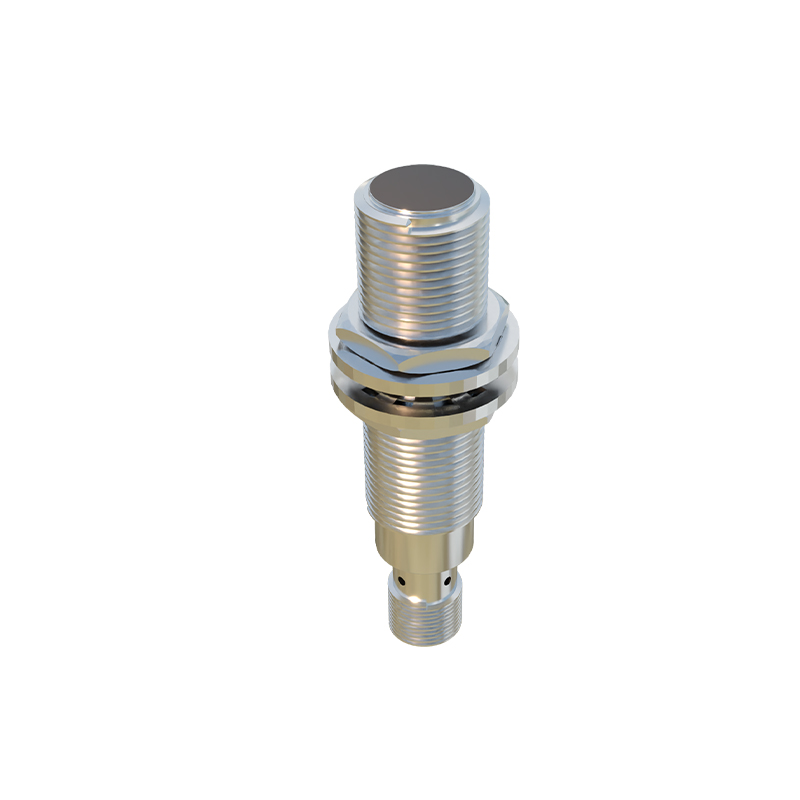
Capacitive proximity sensors, used for detecting materials like plastics, liquids, or powders, are similarly susceptible. Temperature fluctuations change the dielectric constant of both the target material and the sensor’s internal components. For instance, a rise in ambient temperature can reduce the permittivity of certain plastics, requiring recalibration to maintain detection thresholds. Additionally, thermal expansion or contraction may physically alter the gap between the sensor face and the target, indirectly influencing capacitance-based measurements.
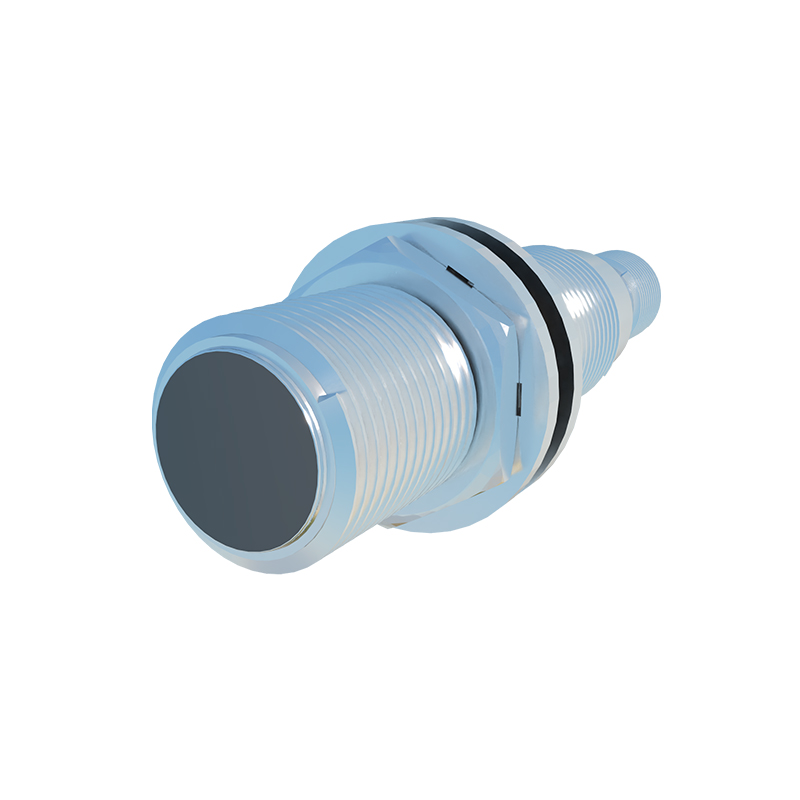
Modern proximity sensors often incorporate temperature compensation circuits designed to minimize these effects. Advanced models feature integrated thermistors or digital temperature sensors that adjust gain or threshold levels dynamically. For example, a temperature-compensated inductive sensor might use a feedback loop to stabilize oscillation amplitude across a range of –25°C to 70°C. However, compensation has limits, and operating beyond the specified temperature range can lead to permanent damage, such as cracked housings or degraded electronic components.
In practice, selecting the right sensor for temperature-variable environments involves careful consideration of several parameters. The operating temperature range, usually listed in datasheets, must align with the application’s extremes, including startup conditions or seasonal variations. For high-temperature settings—such as near furnaces or welding stations—sensors with stainless steel housings and high-temperature-resistant cables are preferred. In cold storage or outdoor installations, models rated for sub-zero conditions with anti-condensation features help prevent icing on sensing faces.
Installation practices also play a key role in mitigating temperature-related issues. Avoiding direct exposure to heat sources, using thermal barriers or heatsinks, and ensuring adequate airflow around the sensor can reduce thermal stress. In cases where sensors must operate in rapidly changing temperatures, such as in food processing or automotive manufacturing, choosing devices with fast thermal response times minimizes latency in compensation adjustments.
Regular maintenance and monitoring are equally important. Drift in sensing distance or output delay over time may indicate temperature-induced wear. Implementing periodic calibration checks, especially after significant environmental changes, helps maintain precision. For networked systems, sensors with diagnostic capabilities—like temperature logging or alert functions—enable proactive maintenance, reducing downtime.
In summary, temperature effects on proximity sensors are multifaceted but manageable through informed selection, proper installation, and technological adaptation. As industries push toward smarter automation in extreme environments, ongoing advancements in materials science and embedded electronics continue to expand the operational boundaries of these critical devices. Engineers must balance theoretical knowledge with practical insights to optimize sensor performance, ensuring seamless integration into temperature-diverse industrial landscapes.