The electrical and automation industry is witnessing a transformative phase, driven by the increasing demand for smart manufacturing, industrial IoT, and efficient process control. At the heart of this evolution lies the critical role of proximity sensor switches—non-contact devices that detect the presence or absence of objects with precision and reliability. For entrepreneurs and established businesses looking to capitalize on this growing market, joining a proximity sensor switch franchise presents a compelling opportunity. This article explores the landscape, benefits, and strategic considerations for embarking on such a venture.
Proximity sensor switches are indispensable components across numerous sectors, including automotive manufacturing, packaging, material handling, robotics, and aerospace. Their ability to operate without physical contact ensures minimal wear, longevity, and high-speed detection, making them superior to mechanical switches. Technologies vary, encompassing inductive, capacitive, ultrasonic, and photoelectric sensors, each suited to specific applications like metal detection, liquid level sensing, or object positioning. As industries prioritize automation and safety, the global market for proximity sensors is projected to expand steadily, fueled by advancements in Industry 4.0 and smart factory initiatives.
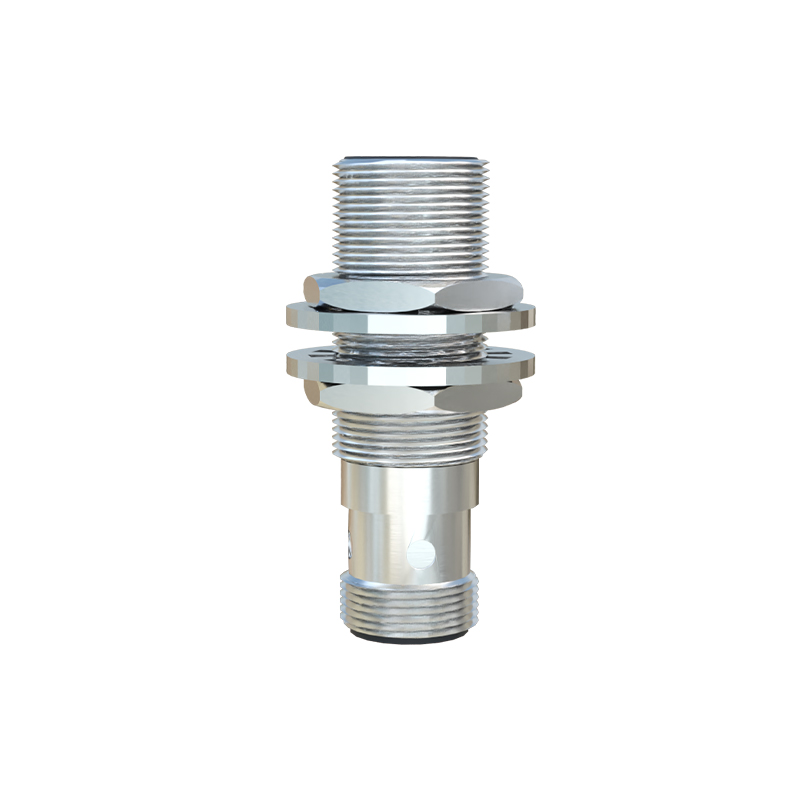
Franchising in this niche offers distinct advantages. Firstly, franchisees gain access to established brands with proven product portfolios and technical support. Reputable franchisors provide comprehensive training on product specifications, installation techniques, and troubleshooting, enabling franchisees to serve diverse client needs effectively. Moreover, franchisors often supply marketing materials, industry connections, and regional exclusivity, reducing the barriers to entry in a competitive field. For electrical engineers or technicians transitioning to entrepreneurship, a franchise model mitigates risks associated with product development and supply chain management, allowing focus on sales, customer relationships, and local market penetration.
Success in a proximity sensor switch franchise hinges on several factors. Prospective franchisees should evaluate the franchisor’s reputation, product quality, and R&D capabilities. It’s essential to partner with a manufacturer that adheres to international standards (e.g., IEC, UL) and offers innovative solutions adaptable to emerging trends like IoT integration and energy efficiency. Financial planning is crucial; initial investments cover franchise fees, inventory, tools, and training, while ongoing costs may include royalties and marketing contributions. A thorough analysis of the target market—identifying industrial hubs, key competitors, and potential clients—will inform a viable business strategy.
Furthermore, franchisees must cultivate technical expertise and customer service excellence. Providing value-added services such as system integration, customization, and maintenance contracts can differentiate the business. Networking with industry associations, attending trade shows, and leveraging digital marketing (e.g., SEO-optimized web content, social media) will enhance visibility. As sustainability gains traction, promoting eco-friendly sensors with low power consumption and recyclable materials can appeal to environmentally conscious clients.
In conclusion, a proximity sensor switch franchise represents a strategic entry point into the dynamic electrical industry. By aligning with a reputable brand and leveraging technological trends, franchisees can build a profitable business while contributing to industrial automation. With careful planning and dedication, this venture offers long-term growth potential in an ever-evolving market.