In the realm of industrial automation and control systems, the terms "proximity switch" and "sensor" are frequently used, often leading to confusion. While they share the fundamental purpose of detecting objects or conditions, their operational principles, functionalities, and applications differ significantly. Understanding these distinctions is crucial for engineers and technicians tasked with selecting the right component for a specific task.
A proximity switch, fundamentally, is a type of sensor. However, it represents a specific, self-contained category. Its primary function is to detect the presence or absence of a metallic or sometimes non-metallic object within a defined range without physical contact. The key characteristic of a proximity switch is its binary output. It operates like a digital switch: it is either "ON" or "OFF." When a target object enters its sensing field, the switch's internal circuitry changes state, typically closing or opening an electrical circuit. This simple, robust signal—often a DC voltage signal like 24V DC for PNP (sourcing) or NPN (sinking) configurations—is directly used to control other devices like PLC inputs, relays, or indicator lights. Common types include inductive proximity switches (for metals), capacitive proximity switches (for metals and non-metals like liquids or plastics), and ultrasonic proximity switches. Their design is geared towards reliability, repeatability, and durability in harsh industrial environments, with features like solid-state construction (no moving parts), high switching frequencies, and resistance to dust, oil, and vibration.
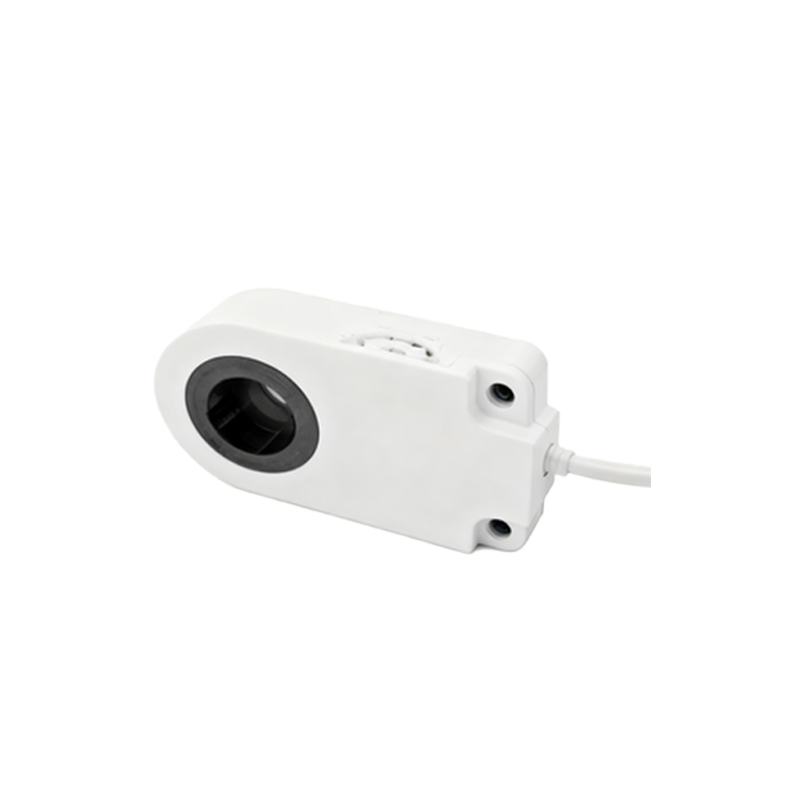
The term "sensor," in a broader context, is an umbrella term for any device that measures a physical property and converts it into a signal that can be read by an observer or an instrument. A proximity switch is, therefore, a type of sensor—specifically a proximity sensor with a switching output. However, "sensor" encompasses a vastly wider array of devices. Sensors can provide analog or digital outputs. Unlike the simple on/off signal of a switch, an analog sensor provides a continuous signal proportional to the measured quantity. For example, a temperature sensor (thermocouple, RTD) outputs a voltage or resistance value corresponding to the exact temperature. A pressure transducer outputs a signal (e.g., 4-20 mA) proportional to the pressure. Even within proximity detection, an analog proximity sensor can provide a voltage output that varies with the distance to the target, useful for gauging or positioning applications, not just presence detection.
Other sensor types include photoelectric sensors (which can act as switches but also measure light intensity), vision sensors, level sensors, flow sensors, and encoders. Their outputs are diverse: voltage, current, frequency, or digital communication protocols like IO-Link, Profibus, or Ethernet/IP. The information from sensors is typically fed into a control system (PLC, DCS, SCADA) for processing, monitoring, data logging, and complex control algorithms.
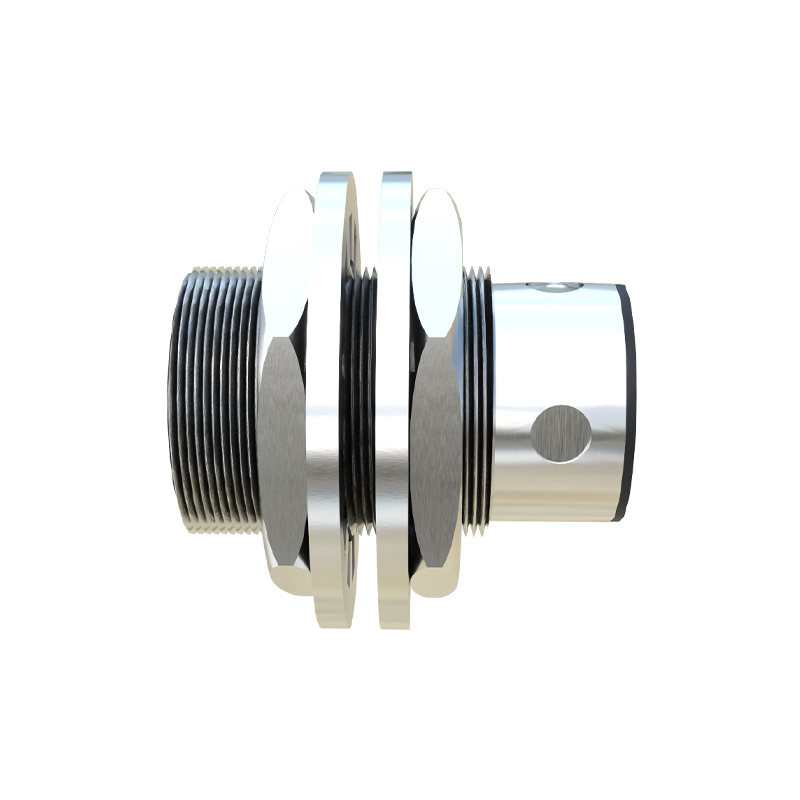
The core difference lies in the nature of the output and the complexity of information. A proximity switch provides a decision. It answers a yes/no question: "Is the object here?" Its output is a clean, discrete control signal. A sensor (in the broader sense) provides a measurement. It answers "how much?" or "to what degree?" Its output is a value representing a physical quantity.
Consider a bottling line. An inductive proximity switch might be used to confirm a metal cap is present on the conveyor—a simple go/no-go check. A capacitive proximity switch might detect the fill level of a liquid in a non-metallic bottle by sensing the dielectric constant change. In contrast, a flow sensor in the same plant would measure the exact volume of liquid dispensed, providing analog data for precise process control. A temperature sensor in a reactor would provide continuous feedback to a PID controller.
Selection criteria differ accordingly. For proximity switches, key parameters are sensing distance, target material, output type (PNP/NPN, NO/NC), switching frequency, and environmental rating (IP code). For broader sensors, parameters include measurement range, accuracy, resolution, linearity, response time, and the required output signal type.
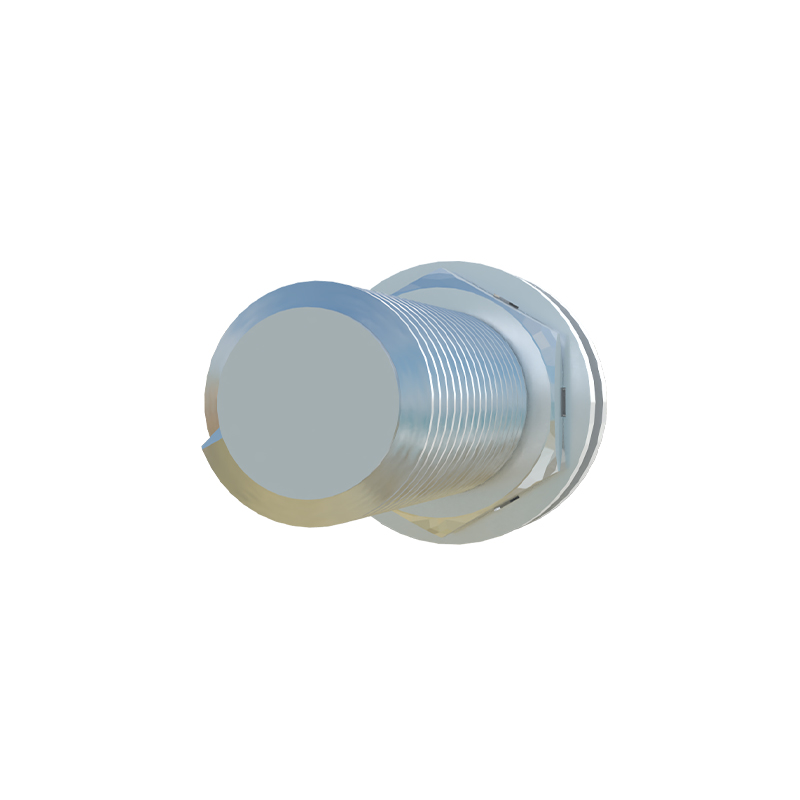
In summary, all proximity switches are sensors, but not all sensors are proximity switches. The proximity switch is a specialized, ruggedized device for binary position detection, prized for its simplicity and direct interface with control logic. The term "sensor" refers to the vast family of devices that convert any physical phenomenon into a usable electrical signal, enabling detailed measurement, monitoring, and sophisticated control. Recognizing this hierarchy and functional distinction is essential for effective design, troubleshooting, and optimization in modern electrical and automation engineering.