In the realm of industrial automation, proximity photoelectric sensors stand as indispensable components for non-contact detection, object positioning, and process control. These sensors operate by emitting a beam of light—typically infrared, visible red, or laser—and detecting changes in the received light intensity or time-of-flight to sense the presence, absence, or distance of an object. The selection of an appropriate sensor model is critical, hinging on factors such as sensing range, output type, housing material, and environmental robustness. This guide delves into the key specifications and model variations to inform optimal selection for diverse applications.
Fundamentally, proximity photoelectric sensors are categorized by their optical design: through-beam, retro-reflective, and diffuse-reflective models. Through-beam sensors, comprising separate emitter and receiver units, offer the longest sensing distances—often exceeding 50 meters—and high immunity to environmental interference. They are ideal for precise detection in packaging lines or large machinery. Retro-reflective models utilize a single housing containing both emitter and receiver, relying on a reflector to bounce the light beam back. These provide a substantial sensing range, typically up to 15 meters, and are simpler to install than through-beam types, though they can be fooled by highly reflective objects. Diffuse-reflective sensors, also self-contained, detect light reflected directly from the target object. Their sensing range is shorter, usually under 2 meters, making them perfect for close-range detection of specific materials or colors, often integrated with background suppression or foreground suppression technology to ignore distant or background objects.
Beyond the basic types, advanced models incorporate specialized features. Fiber optic photoelectric sensors separate the amplifier (the electronic processing unit) from the sensing head via flexible fiber optic cables, enabling detection in extremely confined, high-temperature, or hazardous spaces where electronics cannot reside. Laser sensors provide a highly focused beam for precise detection of small objects or exact positioning, commonly used in semiconductor manufacturing and precision assembly. Analog output models deliver a continuous signal proportional to the sensed distance or light intensity, enabling applications like tension control or fill-level monitoring, unlike standard digital on/off outputs.
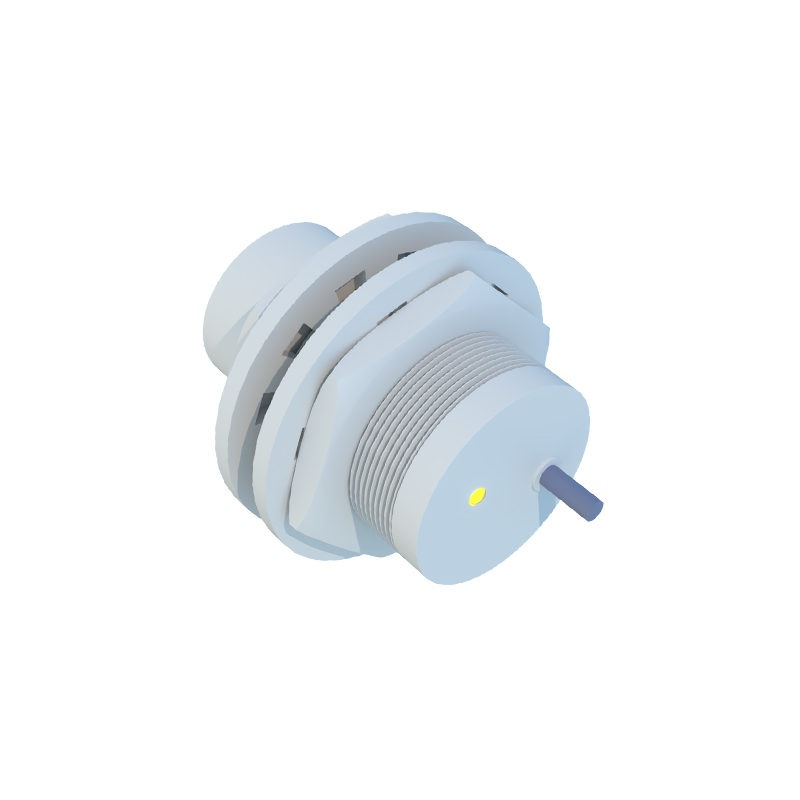
Critical technical specifications define a sensor's capability. The sensing range, expressed as a nominal value, must be derated for different target materials, colors, and surface finishes. A white, matte surface reflects more light than a black, glossy one, significantly affecting performance. Response time, measured in milliseconds or microseconds, determines how quickly the sensor can detect a passing object in high-speed applications. Environmental ratings are paramount: an IP67 (IEC standard) rating ensures protection against dust ingress and temporary immersion, while IP69K indicates resistance to high-pressure, high-temperature washdowns common in food and beverage plants. Housing materials like stainless steel (V4A/AISI 316L) or PBT plastic are chosen for chemical resistance. Output configurations include NPN (sinking) or PNP (sourcing) transistor outputs, relay contacts, and IO-Link digital communication for smart sensor integration, providing diagnostic data and parameter setting via the control network.
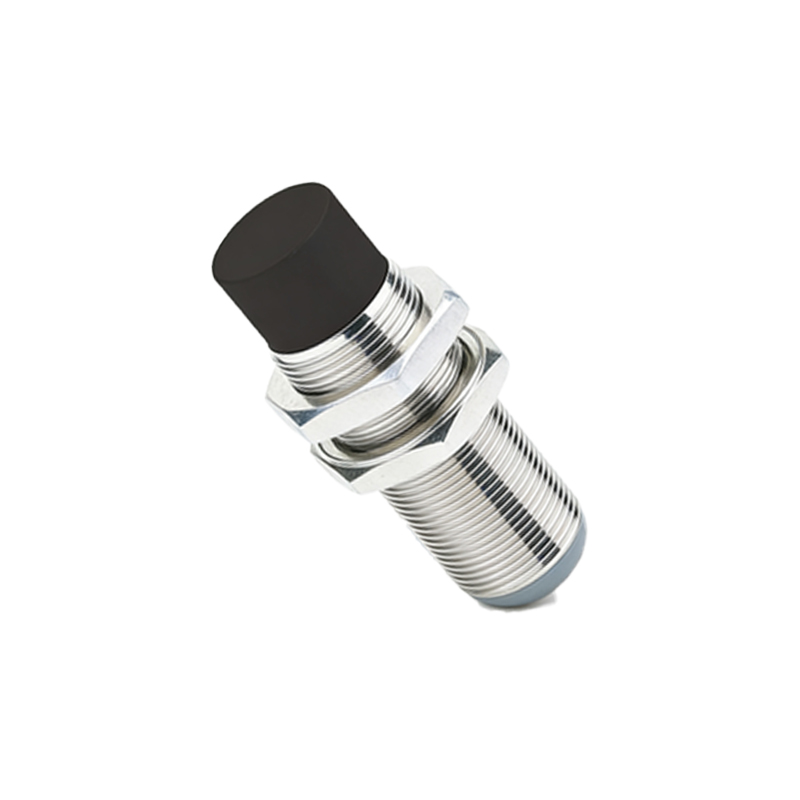
Leading manufacturers such as Sick, Omron, Keyence, Banner Engineering, and Pepperl+Fuchs offer extensive model families. For instance, the Sick WTT series represents robust through-beam sensors for harsh environments, while the Omron E3Z series exemplifies compact, cost-effective diffuse-reflective models. Keyence's FX series offers high-precision fiber optic sensors. When selecting a model, engineers must conduct a thorough application analysis: define the target material, size, and required sensing distance; assess ambient light conditions, potential contaminants (dust, oil, steam); determine the necessary speed and output interface; and evaluate mounting constraints and electrical requirements.
In conclusion, the landscape of proximity photoelectric sensor models is vast and engineered for precision. A methodical evaluation of the optical type, technical specifications, and environmental compatibility against the specific application demands is essential. The correct sensor model enhances system reliability, reduces downtime, and drives efficiency in automated processes ranging from automotive assembly and material handling to pharmaceutical production and beyond. Continuous advancements in miniaturization, IO-Link intelligence, and enhanced environmental durability promise even greater integration and capability for the factories of the future.