In the complex ecosystem of airport ground operations, the jet bridge—also known as a passenger boarding bridge—serves as a critical link between the terminal and the aircraft. A key component ensuring the safety and seamless functionality of this connection is the proximity sensor installed on the jet bridge door. These sensors are not merely accessories; they are sophisticated safety devices integral to preventing accidents, protecting infrastructure, and maintaining operational fluidity. This article delves into the technology, application, and importance of proximity sensors specifically designed for jet bridge doors.
Proximity sensors are non-contact devices that detect the presence or absence of an object within a defined sensing range. For jet bridge doors, the primary function is to prevent the door from closing when an obstruction, such as a person, baggage cart, or maintenance equipment, is in the doorway. This is paramount for personnel safety, preventing injuries or entrapment. Furthermore, it protects the door mechanism and the jet bridge structure from impact damage caused by forced closure against an object, which can lead to costly repairs and operational downtime.
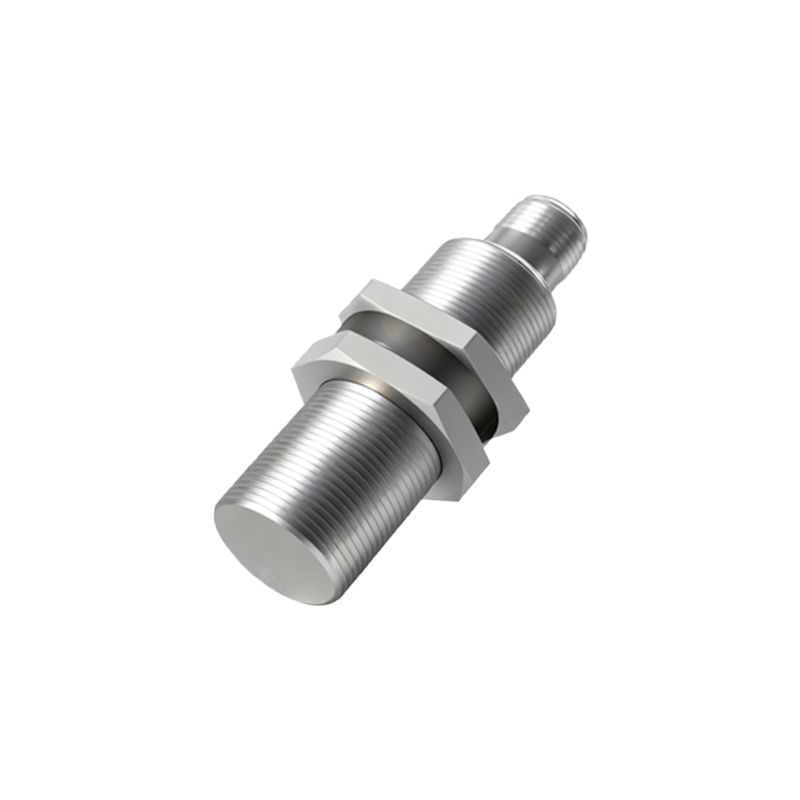
The operational environment of an airport apron is harsh. Sensors must withstand extreme temperatures, driving rain, snow, ice, high winds, and constant exposure to UV radiation. They are also subject to vibrations from nearby aircraft engines and ground service vehicles. Therefore, jet bridge door proximity sensors are engineered with robust, weatherproof (typically IP67 or higher) housings, often made from stainless steel or ruggedized polymers. The sensing technology itself must be highly reliable. Common types employed include:
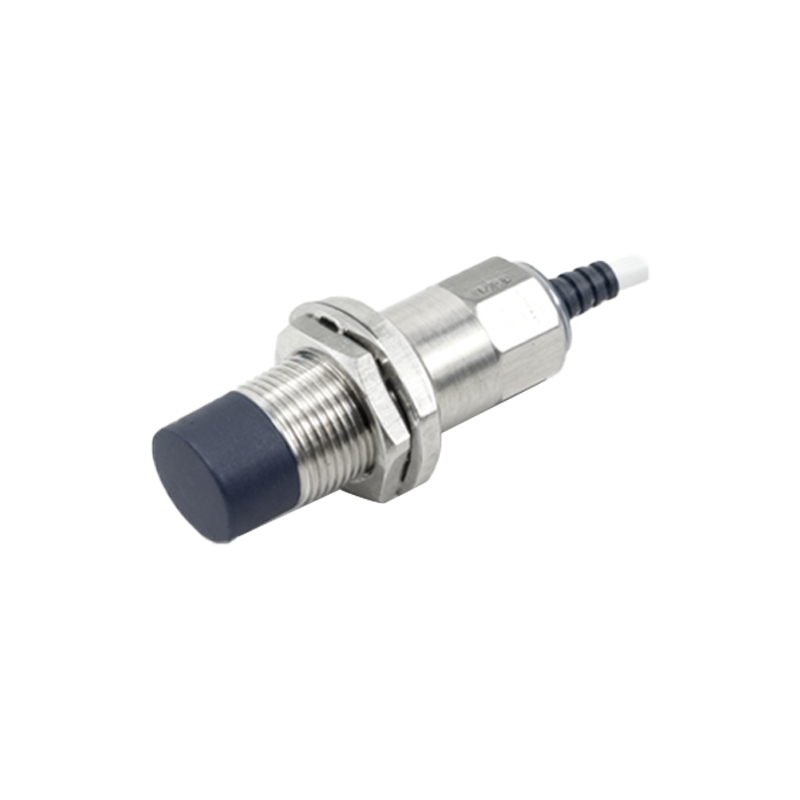
1. Inductive Sensors: Ideal for detecting metallic objects. They generate an electromagnetic field and react to changes caused by a metallic target entering the field. They are extremely reliable, resistant to environmental contaminants like dirt and moisture, and have no moving parts. They are often used to detect the aircraft fuselage or metallic parts of ground equipment.
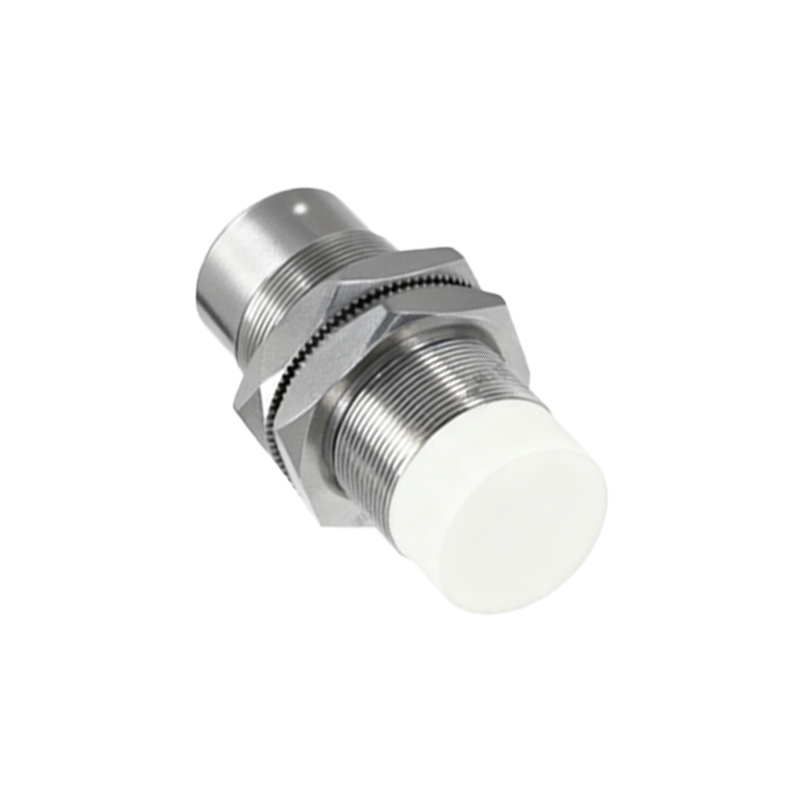
2. Capacitive Sensors: Can detect both metallic and non-metallic objects (like a person or a baggage cart). They work by sensing changes in capacitance when an object enters their electrostatic field. This makes them versatile for the varied obstructions present at a doorway.
3. Ultrasonic Sensors: Emit high-frequency sound waves and measure the echo's return time to determine distance to an object. They are effective for larger detection zones and can function reliably in dusty or foggy conditions, though they may be affected by strong air currents.
4. Optical Sensors (Photoelectric): Use a light beam (often infrared) between an emitter and a receiver. An object breaking the beam signals an obstruction. While effective, they can be susceptible to false triggers from heavy precipitation, fog, or build-up of dirt on the lenses, requiring more frequent maintenance.
The integration of these sensors into the jet bridge's control system is critical. Upon detection, the sensor sends an immediate signal to the door's motor controller to halt the closing cycle. Many systems are designed to require a manual reset or a clear signal before operation can resume, adding a layer of safety. Advanced systems may integrate with the airport's central monitoring network, providing real-time diagnostics and alerting maintenance teams to sensor faults before they lead to a failure.
Regular testing and maintenance are non-negotiable. Sensors must be checked periodically for physical damage, cleanliness (especially lenses or faces), and calibration. A failed or misaligned sensor poses a significant risk. Maintenance protocols should include functional tests using standard test objects to simulate obstructions, ensuring the sensor triggers the door stop as designed.
Beyond basic obstruction detection, modern sensor systems contribute to operational intelligence. Data on door cycles, obstruction frequency, and sensor health can be logged and analyzed. This data can identify high-traffic patterns leading to frequent door stops, prompting operational adjustments. It can also predict maintenance needs, shifting from reactive repairs to proactive, scheduled servicing, thereby increasing overall equipment availability and reliability.
In conclusion, the proximity sensor on a jet bridge door is a vital safety sentinel. Its role in preventing accidents and damage is indispensable in the high-stakes, fast-paced airport environment. Selecting the right sensor technology for the specific application, ensuring robust installation, and adhering to a rigorous maintenance schedule are the responsibilities of airport engineers and maintenance teams. As airport technology evolves towards greater automation and data-driven management, these humble sensors will continue to be foundational components, ensuring that the crucial link between terminal and aircraft remains safe, efficient, and reliable for every passenger and crew member.