Proximity sensors are indispensable components in modern industrial automation, offering non-contact detection of objects without physical touch. These devices play a critical role in enhancing efficiency, safety, and reliability across various applications, from manufacturing assembly lines to robotic systems. This guide delves into the core principles, types, and key considerations for selecting and implementing proximity sensors in industrial settings.
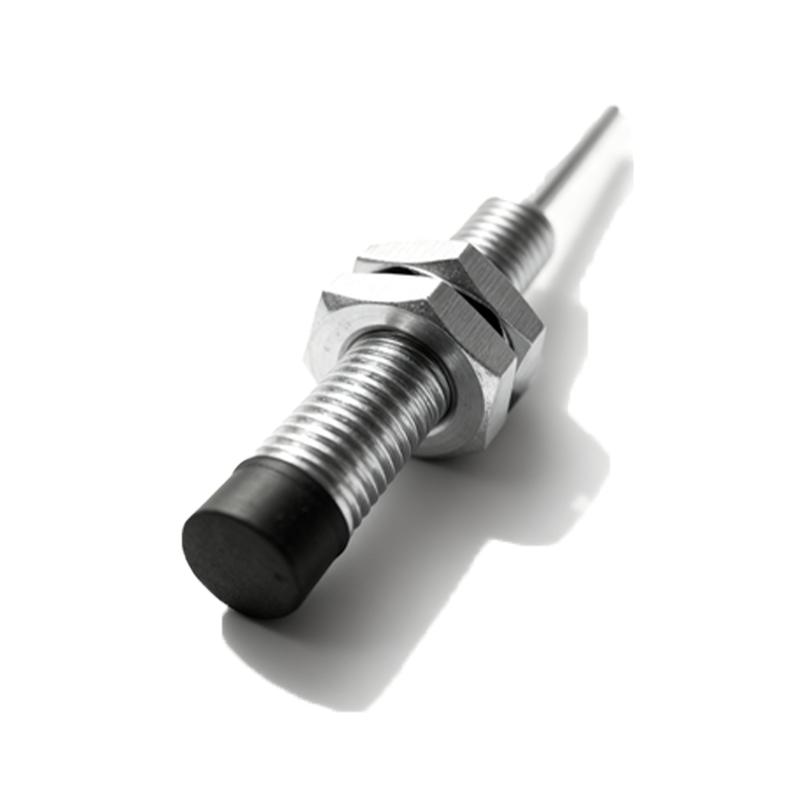
At their core, proximity sensors operate by emitting an electromagnetic field or a beam of electromagnetic radiation (such as infrared light), and detecting changes in the field or return signal. The primary advantage is the absence of mechanical contact, which eliminates wear and tear, reduces maintenance, and allows for high-speed operation. There are several main types, each suited to specific materials and environmental conditions. Inductive proximity sensors are used for detecting metallic objects. They generate an oscillating electromagnetic field, and when a metal target enters this field, it induces eddy currents, causing a change in oscillation amplitude that triggers the sensor output. These sensors are robust, resistant to dirt and moisture, and ideal for harsh industrial environments like metal machining or automotive manufacturing.
Capacitive proximity sensors can detect both metallic and non-metallic materials, including liquids, plastics, wood, and granules. They function by measuring changes in capacitance between the sensor and the target object. When an object approaches, it alters the dielectric constant of the space between the sensor and the ground, triggering detection. This makes them versatile for applications such as level detection in tanks, material handling, or packaging lines where diverse materials are present.
Ultrasonic proximity sensors use sound waves beyond human hearing. They emit ultrasonic pulses and measure the time taken for the echo to return after hitting an object. This time-of-flight principle allows for precise distance measurement and detection of objects regardless of color, transparency, or material composition (except sound-absorbing materials). They are excellent for challenging conditions like detecting transparent glass bottles, monitoring bulk material levels, or in environments with dust or vapor.
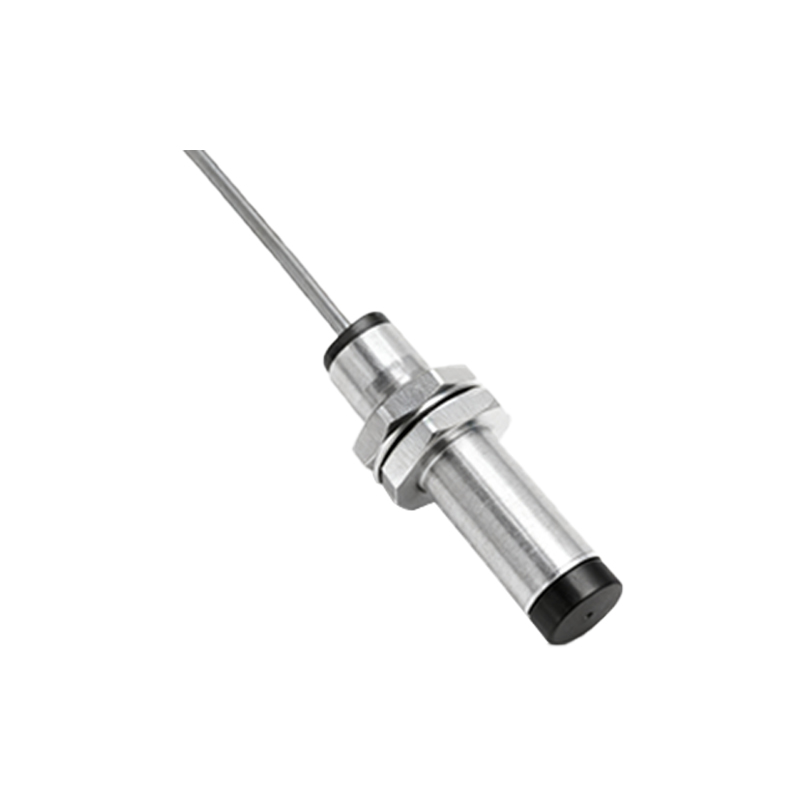
Photoelectric sensors, while often categorized separately, function as proximity devices in diffuse or retro-reflective modes. They emit a light beam (usually infrared, visible red, or laser) and detect its reflection from a target. Diffuse mode sensors detect the reflection directly from the object, making them effective for short-range detection of various surfaces. Key specifications for any proximity sensor include sensing distance, repeat accuracy, response frequency, output type (e.g., NPN/PNP, analog, IO-Link), housing material (often nickel-plated brass or stainless steel), and environmental ratings like IP67/IP69K for water and dust resistance.
When designing a system, engineers must consider the target material, size, and required detection distance. For instance, inductive sensors have a reduced sensing range for non-ferrous metals like aluminum compared to steel. Environmental factors such as temperature extremes, presence of cutting fluids, or electromagnetic interference must also be evaluated. Modern advancements integrate smart features like diagnostic capabilities via IO-Link, which enables parameter setting, condition monitoring, and predictive maintenance, reducing downtime.
In conclusion, selecting the right proximity sensor is pivotal for optimizing automated processes. Understanding the distinct operating principles and application requirements ensures reliable object detection, contributing to increased productivity, enhanced safety through machine guarding, and overall operational excellence in the evolving landscape of Industry 4.0.