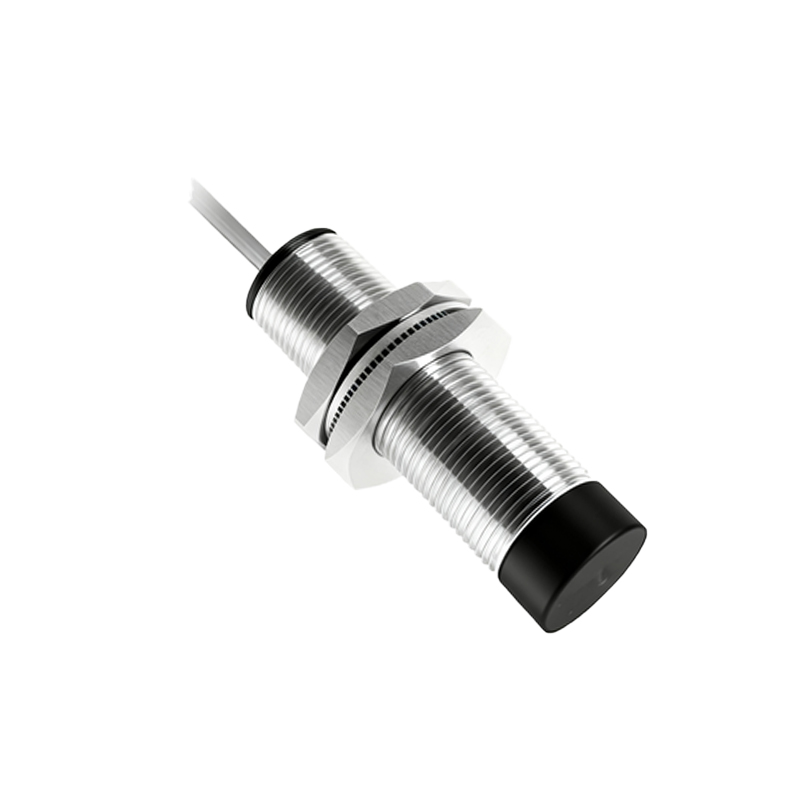
Proximity sensors are essential components in modern industrial automation, enabling non-contact detection of objects without physical interaction. These sensors enhance efficiency, reliability, and safety in various applications, from manufacturing lines to robotics. This article explores the primary types of proximity sensors, their working principles, and typical use cases in the electrical and automation industries.
Inductive Proximity Sensors are widely used for detecting metallic objects. They operate based on electromagnetic induction, generating an oscillating magnetic field. When a metal target enters this field, it induces eddy currents, causing a change in oscillation amplitude that triggers the sensor output. These sensors are robust, resistant to environmental factors like dust or moisture, and ideal for harsh industrial settings. Common applications include position sensing in machinery, metal detection in conveyors, and safety interlocks.
Capacitive Proximity Sensors can detect both metallic and non-metallic materials, such as plastics, liquids, or wood. They function by measuring changes in capacitance between the sensor and the target object. When an object approaches, it alters the dielectric constant of the sensor's electrostatic field, leading to a detectable shift. These sensors are versatile and suitable for level detection in tanks, material handling, and packaging systems where diverse materials are present.
Ultrasonic Proximity Sensors utilize sound waves to detect objects. They emit high-frequency ultrasonic pulses and measure the time taken for echoes to return after hitting a target. This time-of-flight principle allows for accurate distance measurement and detection of various materials, regardless of color or transparency. Ultrasonic sensors excel in applications like liquid level monitoring, object positioning, and collision avoidance in automated guided vehicles (AGVs).
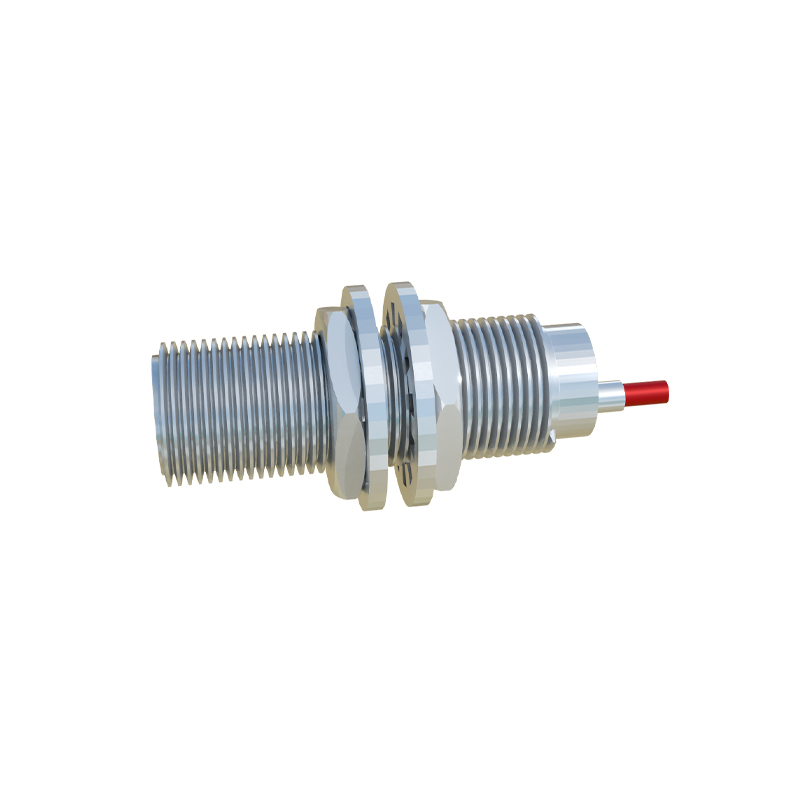
Photoelectric Proximity Sensors rely on light beams to sense objects. They consist of a light emitter (usually LED or laser) and a receiver. When an object interrupts or reflects the light beam, the sensor detects the change and outputs a signal. These sensors come in different configurations: through-beam (separate emitter and receiver), retro-reflective (using a reflector), and diffuse (reflective). They are effective for long-range detection, transparent object sensing, and high-speed counting tasks in conveyor systems.
Magnetic Proximity Sensors detect magnetic fields, typically from permanent magnets. They use reed switches or Hall effect elements to sense the presence of a magnet, making them suitable for applications where other sensors might fail due to environmental conditions. Common uses include door position sensing in safety systems, cylinder position detection in pneumatic systems, and limit switches in automotive applications.
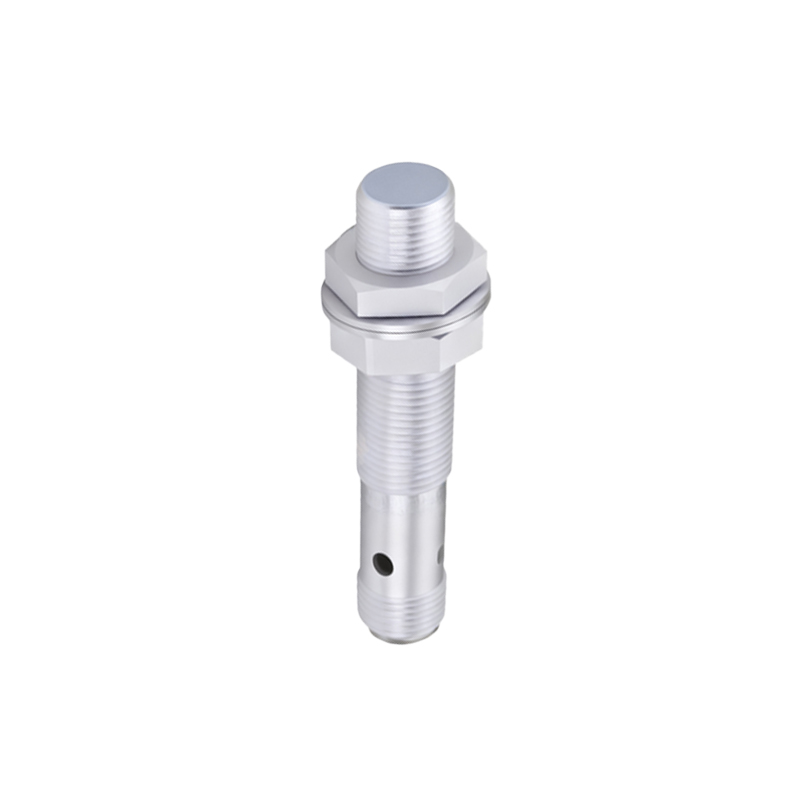
Each type of proximity sensor offers distinct advantages based on factors like detection range, material compatibility, and environmental resilience. Inductive sensors are preferred for metal detection in rugged environments, while capacitive sensors handle diverse materials. Ultrasonic sensors provide precise distance data, photoelectric sensors offer versatility in light-based detection, and magnetic sensors ensure reliability in specific magnetic applications.
In industrial automation, selecting the right proximity sensor depends on operational requirements, including target material, sensing distance, response time, and environmental conditions. Proper integration enhances system performance, reduces downtime, and supports Industry 4.0 initiatives for smart manufacturing. As technology advances, proximity sensors continue to evolve with features like IoT connectivity and enhanced durability, driving innovation in electrical engineering and automation sectors.