In the rapidly evolving landscape of industrial automation, consumer electronics, and smart systems, the question of practicality is paramount for any component. As an electrical engineer with years of hands-on experience, I am often asked: "Are proximity and light sensors truly practical?" The short answer is a resounding yes, but the true value lies in understanding their nuanced applications, inherent limitations, and the engineering considerations behind their deployment.
First, let's clarify the terminology. While often grouped, proximity sensors and light sensors (photoelectric sensors) serve distinct, though sometimes overlapping, functions. Proximity sensors detect the presence or absence of an object within a defined range without physical contact, commonly using inductive, capacitive, or ultrasonic principles. Light sensors, including ambient light sensors (ALS) and photodetectors, measure light intensity or specific wavelengths. Their practicality stems from a powerful combination of non-contact operation, reliability, and versatility.
In industrial settings, the practicality of inductive proximity sensors is unquestionable. They are the workhorses of assembly lines, performing tasks like counting metallic objects, detecting piston position in cylinders, or ensuring machine safety by confirming a guard is in place. Their robustness in dirty, oily, or harsh environments—immune to dust, light, or splash—makes them indispensable. A capacitive sensor's ability to detect non-metallic materials like wood, plastic, or liquids adds another layer of utility, solving problems in packaging, material handling, and level detection that mechanical switches cannot address reliably.
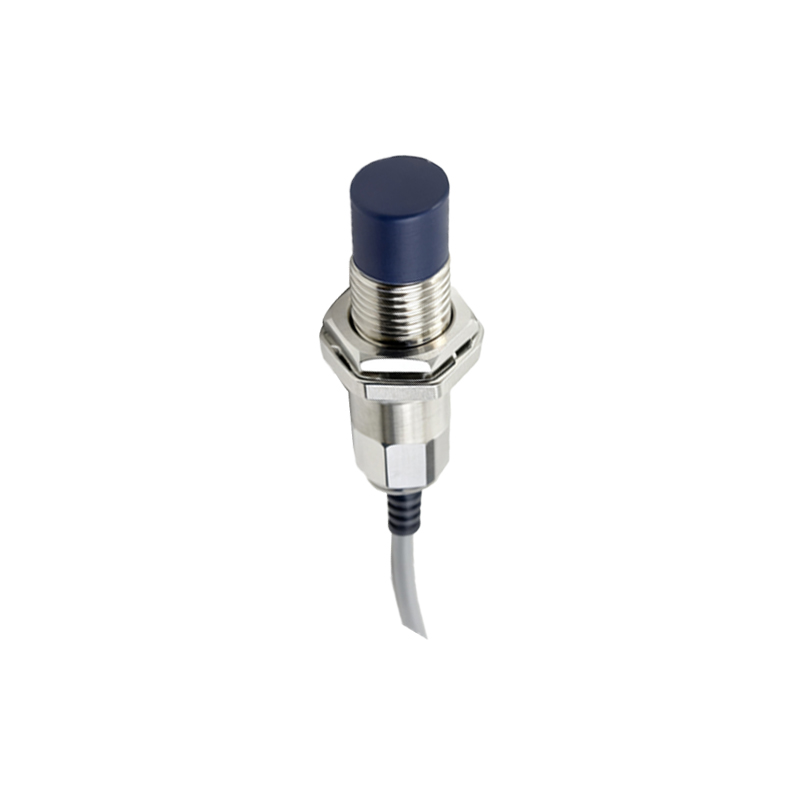
The integration of light sensors, particularly photoelectric types, extends this practicality. Through-beam, retro-reflective, and diffuse sensors enable precise detection over longer distances and for a vast array of materials. They manage complex tasks such as bottle cap inspection on high-speed filling lines, verifying label presence, or ensuring precise positioning in automated warehouses. Their speed and accuracy directly translate to increased throughput and reduced waste.
In the realm of consumer electronics, the practicality becomes intimately user-focused. The ambient light sensor in your smartphone or laptop is a prime example of intelligent, power-efficient design. By automatically adjusting screen brightness based on environmental lighting, it significantly enhances battery life and improves viewing comfort—a small component with a major impact on user experience. Similarly, proximity sensors in phones disable the touchscreen during calls to prevent accidental cheek-presses, a simple yet crucial feature for seamless operation.
The emergence of the Internet of Things (IoT) and smart buildings has further amplified their relevance. Light sensors form the core of automated lighting control systems, harvesting ambient light to dim or switch off artificial lights, leading to substantial energy savings. Proximity sensors enable touchless interfaces for faucets, soap dispensers, and doors—promoting hygiene and conservation. In automotive applications, they are critical for safety and convenience, enabling features like automatic headlight control, rain-sensing wipers, and parking assistance systems.
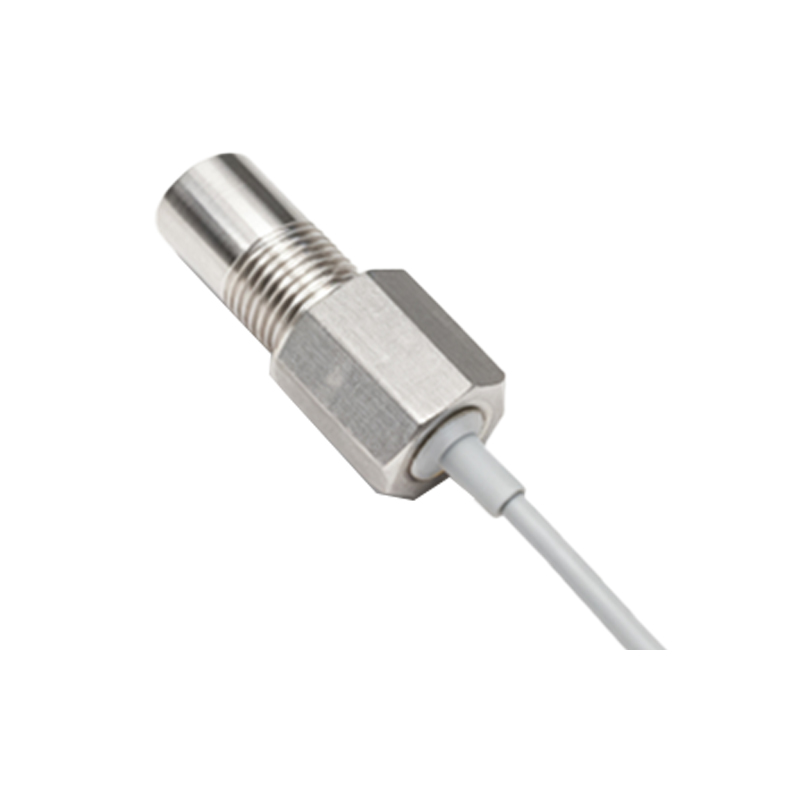
However, declaring them universally practical requires acknowledging the engineering challenges. Sensor selection is not trivial. Factors like sensing distance, target material, environmental conditions (temperature, contaminants, ambient light interference), response time, and output type (digital or analog) must be meticulously evaluated. An inductive sensor is impractical for detecting a glass bottle; a standard photoelectric sensor may fail in direct sunlight. Electrical noise in industrial plants can affect signal integrity, necessitating proper shielding and installation.
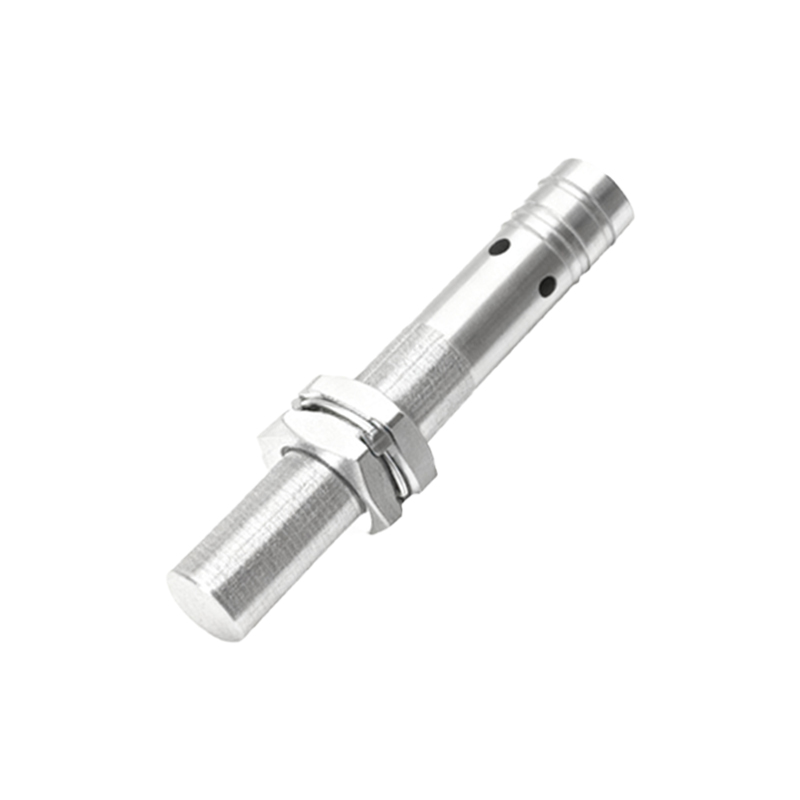
Furthermore, cost-benefit analysis is essential. For a simple limit switch application, a basic mechanical switch might be more cost-effective. The practicality of a sensor array arises when its value—through enhanced automation, improved quality control, energy savings, or data collection—outweighs its initial and maintenance costs. The trend towards miniaturization, lower power consumption, and smarter sensors with integrated logic (IO-Link) is continuously tipping this balance in favor of sensor-based solutions.
From a systems perspective, their practicality is enhanced by integration with microcontrollers and programmable logic controllers (PLCs). This allows for sophisticated logic, data logging, and predictive maintenance. A sensor is not just a switch; it is a data point. The real power is unlocked when this data is utilized to optimize a process or system behavior.
In conclusion, proximity and light sensors are not merely practical; they are foundational enabling technologies for modern automation and intelligent devices. Their practicality is proven daily across countless applications, from factory floors to our pockets. The key for engineers and designers is to move beyond the generic question and ask: "Is this specific sensor practical for solving this specific problem under these specific conditions?" With careful selection, proper implementation, and a clear understanding of the system goals, the answer will almost invariably lead to a robust and efficient sensor-based solution. Their silent, reliable operation continues to be a cornerstone of efficiency, safety, and innovation.