In the realm of industrial automation, proximity switch latching sensors represent a critical advancement in sensing technology, offering unparalleled reliability and precision for control systems. These sensors are designed to detect the presence or absence of an object without physical contact, utilizing electromagnetic fields, infrared light, or ultrasonic waves. The term "latching" refers to the sensor's ability to maintain its output state even after the target object has moved away, ensuring stable signal retention until a reset condition is met. This feature is particularly valuable in applications where intermittent detection or memory function is required, such as in conveyor systems, robotic assembly lines, and safety interlocks.
The operational principle of proximity switch latching sensors hinges on their internal circuitry, which includes a flip-flop or bistable multivibrator mechanism. When a target enters the sensing range, the sensor triggers and latches into an active state—typically signaling a "high" output—regardless of subsequent target movement. This state persists until a specific reset signal, often from a separate input or a programmed controller command, is received. For instance, in a packaging machine, a latching sensor might detect a product on a belt and remain activated to count items, only resetting after a batch is complete. This eliminates false triggers caused by vibration or transient objects, enhancing system accuracy.
Key types of latching proximity sensors include inductive, capacitive, and photoelectric variants, each suited to different industrial environments. Inductive sensors are ideal for metallic objects, using electromagnetic induction to latch onto ferrous materials. Capacitive sensors can detect non-metallic substances like plastics or liquids by measuring changes in capacitance. Photoelectric latching sensors employ light beams to sense objects, with options for through-beam, retro-reflective, or diffuse modes. The choice depends on factors such as target material, sensing distance, and environmental conditions like dust or moisture.
Applications of these sensors span diverse sectors, from automotive manufacturing to food processing. In automotive plants, latching sensors monitor part positioning in welding robots, ensuring components are correctly aligned before operations proceed. In food industry conveyors, they track product flow and trigger sorting mechanisms without continuous signal input, reducing energy consumption and wear. Additionally, safety systems use latching sensors to lock out machinery during maintenance, preventing accidental startups until manually reset.
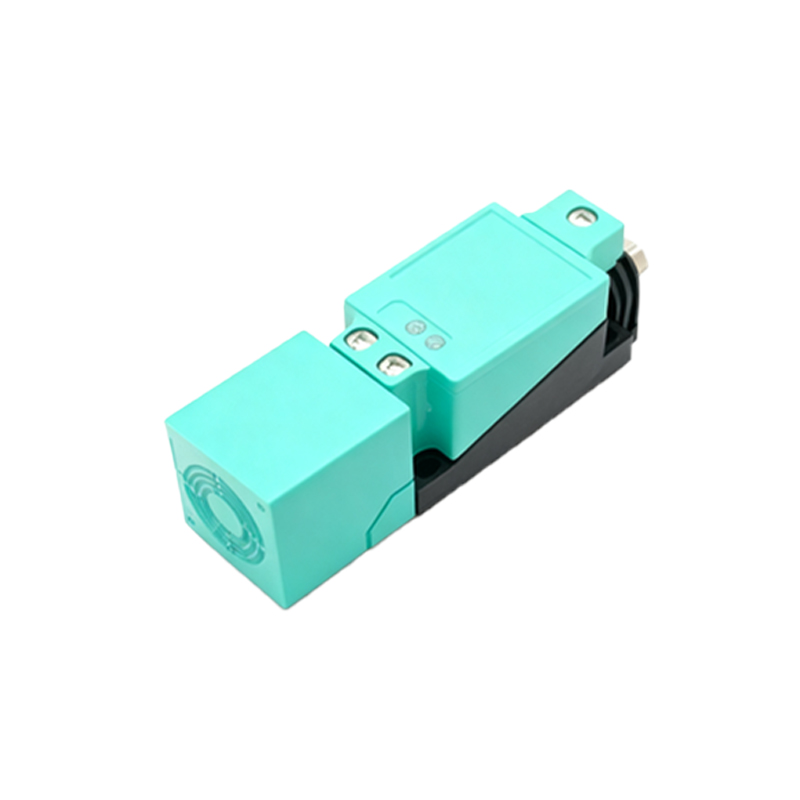
Installation and maintenance best practices involve proper alignment, calibration, and shielding from interference. Sensors should be mounted securely to avoid misalignment, with regular checks for contamination or damage. Integration with PLCs (Programmable Logic Controllers) or IoT platforms allows for real-time monitoring and diagnostics, enabling predictive maintenance. For example, a sensor's latching function can be programmed via software to adapt to varying production speeds, optimizing efficiency.
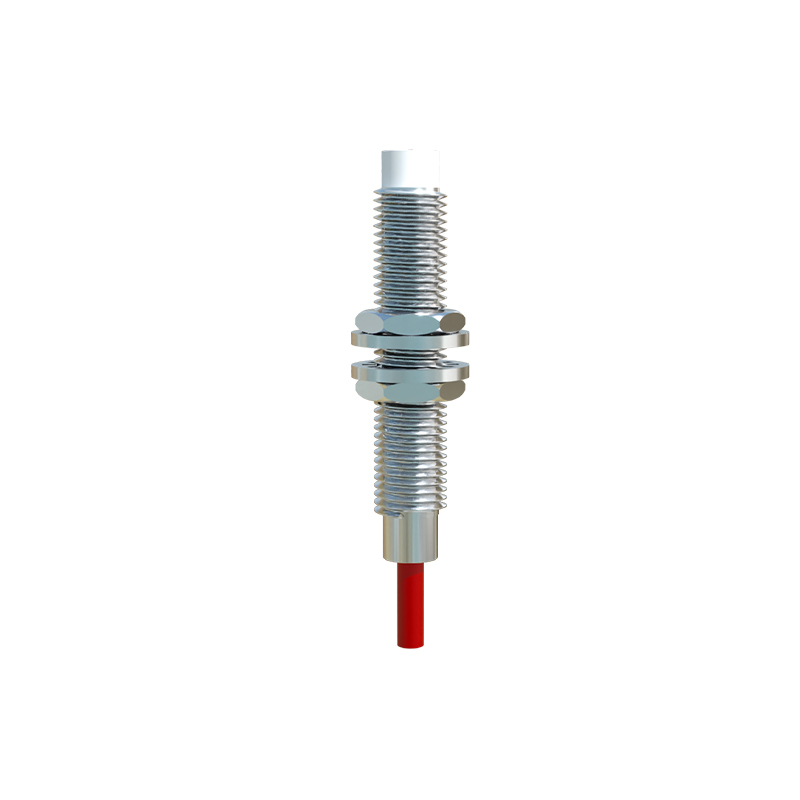
Despite their advantages, challenges include electromagnetic interference in high-noise environments and limited sensing ranges for non-standard materials. Innovations like smart sensors with self-diagnostic capabilities and wireless connectivity are addressing these issues, paving the way for Industry 4.0 applications. In summary, proximity switch latching sensors are indispensable in modern automation, providing robust, memory-retentive detection that enhances operational safety and productivity. As technology evolves, their role in smart factories will only expand, driven by demands for greater precision and connectivity.