Light curtain proximity sensors, often referred to as safety light curtains or optical guards, are critical components in modern industrial automation systems. These devices provide non-contact, reliable object detection and personnel safety by creating an invisible curtain of infrared light beams. When an object or person interrupts this light curtain, the sensor sends a signal to the machinery's control system to initiate a safety response, such as stopping a hazardous machine motion. This technology is widely adopted in manufacturing, packaging, robotics, and material handling sectors where human-machine interaction poses risks.
The fundamental operation of a light curtain involves a transmitter and a receiver unit aligned parallel to each other. The transmitter emits multiple synchronized infrared beams, which are received by the corresponding receiver. Modern light curtains can feature beam resolutions as fine as a few millimeters, allowing detection of even small objects like fingers or tools. Advanced models incorporate muting functions, which temporarily disable the safety function during non-hazardous operations, such as when materials pass through the curtain automatically, thereby enhancing production efficiency without compromising safety.
Key technical specifications include detection range, response time, resolution, and safety integrity level (SIL or PL ratings). For instance, Type 4 light curtains (according to IEC 61496 standards) offer high reliability for safeguarding personnel, with fast response times under 20 milliseconds to meet stringent safety requirements. Integration with programmable logic controllers (PLCs) and safety relays is standard, enabling seamless incorporation into larger safety circuits. Regular maintenance, such as lens cleaning and alignment checks, is essential to prevent false triggers or failures.
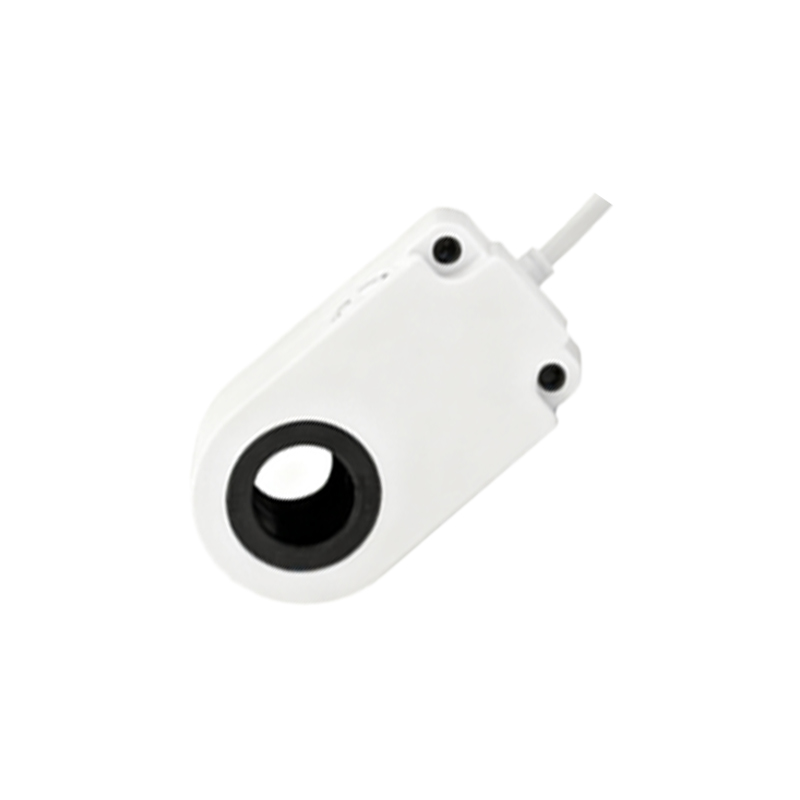
In applications like press brakes, robotic work cells, or conveyor systems, light curtains replace traditional physical guards, offering flexibility and improved accessibility. They allow operators to approach machinery safely for tasks like loading or maintenance, while instantly halting operations upon intrusion. As Industry 4.0 advances, smart light curtains with IoT connectivity enable predictive maintenance and real-time monitoring, further reducing downtime. Choosing the right light curtain involves assessing factors like environmental conditions (e.g., dust, vibration), required safety standards, and operational workflows. Ultimately, these sensors exemplify how technology can enhance both productivity and workplace safety in industrial settings.