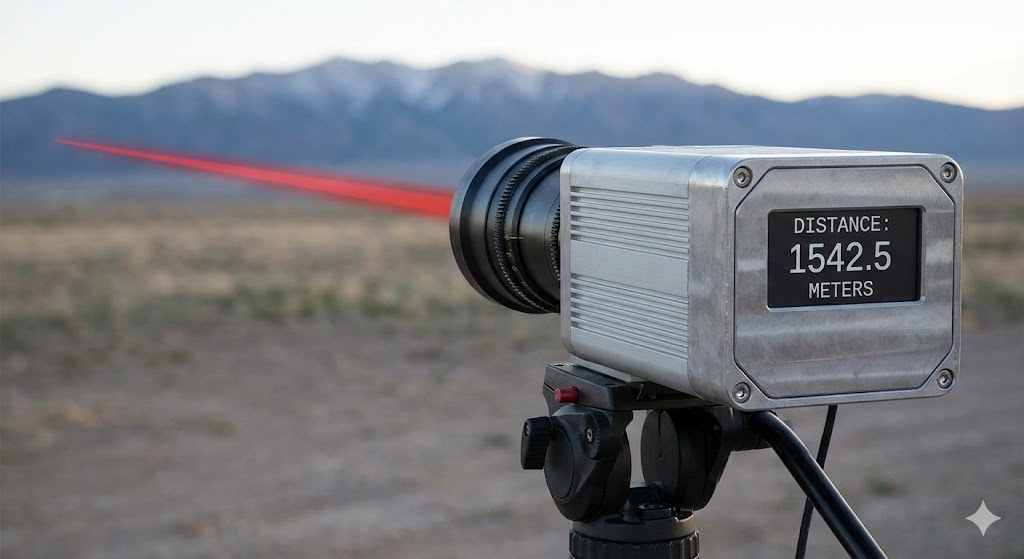
In the rapidly evolving landscape of industrial automation and scientific research, photon precision laser sensors have emerged as a cornerstone technology, offering unparalleled accuracy and reliability. These advanced sensors operate on the principle of utilizing coherent light photons to detect minute changes in distance, displacement, vibration, and surface characteristics. Unlike traditional measurement tools, photon-based laser sensors provide non-contact, high-speed data acquisition with resolutions reaching the nanometer scale, making them indispensable in sectors such as semiconductor manufacturing, aerospace engineering, and biomedical instrumentation.
The core mechanism involves emitting a focused laser beam toward a target surface. The reflected photons are then captured and analyzed through interferometric techniques or time-of-flight calculations. This process allows for real-time monitoring of even the slightest variations, which is critical for quality control in precision machining. For instance, in automotive assembly lines, these sensors ensure component tolerances are maintained within micrometers, reducing waste and enhancing product durability. Moreover, their immunity to electromagnetic interference and ability to function in harsh environments—such as extreme temperatures or vacuum chambers—expand their applicability beyond conventional settings.
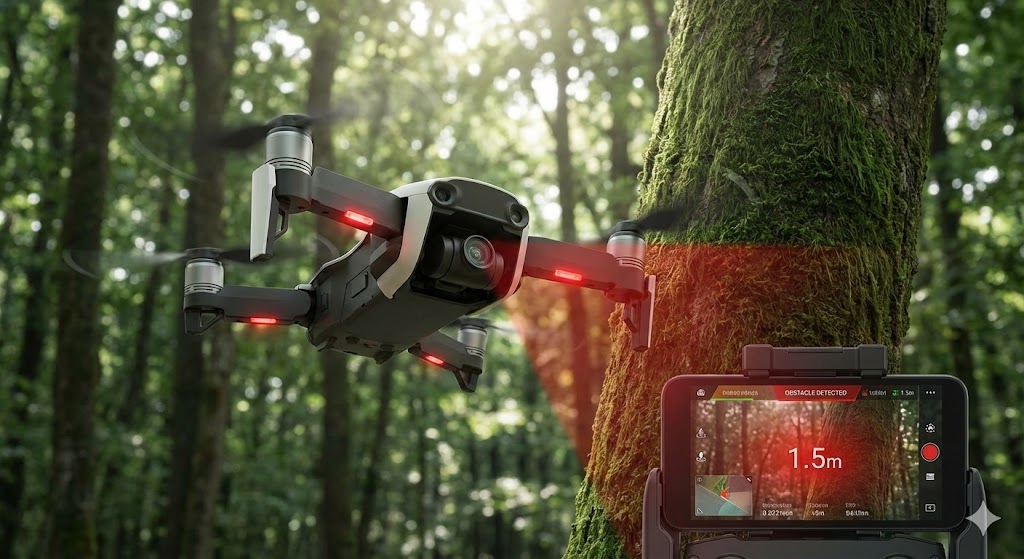
Recent advancements in photonics and fiber-optic integration have further boosted sensor performance. Innovations like frequency-modulated continuous-wave (FMCW) lasers enable multi-parameter sensing, including simultaneous measurement of distance and velocity. Additionally, the integration of artificial intelligence algorithms facilitates predictive maintenance by analyzing sensor data trends to foresee equipment failures. In medical fields, photon laser sensors are revolutionizing diagnostic imaging and surgical robotics, providing surgeons with sub-millimeter precision during minimally invasive procedures.
Despite their advantages, challenges persist, such as high initial costs and the need for specialized calibration. However, ongoing research in quantum photonics aims to develop more compact, energy-efficient models with enhanced sensitivity. As industries increasingly adopt Industry 4.0 standards, the demand for intelligent sensing solutions will continue to drive innovation in photon laser technology. Ultimately, these sensors are not merely tools but transformative elements that bridge the gap between theoretical precision and practical application, paving the way for smarter, more efficient systems across global enterprises.