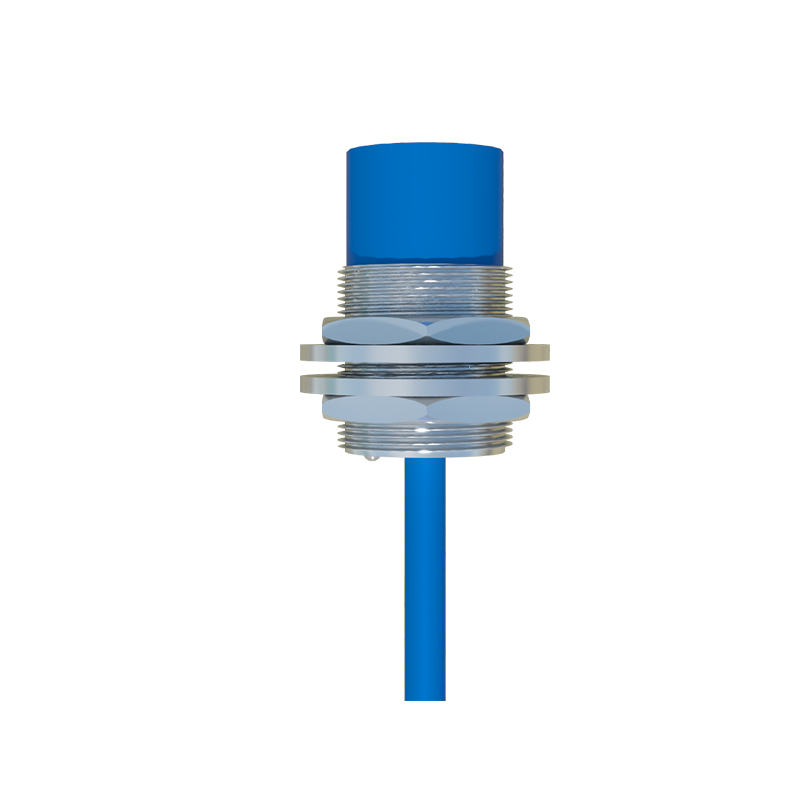
In the realm of industrial automation, square proximity limit switch sensors stand as pivotal components for precision control and safety. These robust devices, typically housed in durable square-shaped casings, are engineered to detect the presence or absence of objects without physical contact, utilizing electromagnetic or capacitive sensing principles. Their design offers distinct advantages in mounting stability and environmental resistance, making them indispensable in harsh manufacturing settings such as automotive assembly lines, packaging machinery, and material handling systems.
The operational core of a square proximity sensor lies in its ability to generate an oscillating electromagnetic field. When a metallic target enters this field, eddy currents are induced, causing a change in oscillation amplitude. This alteration is detected by the sensor's internal circuitry, triggering an output signal—commonly a switching action via PNP or NPN transistors. For non-metallic objects, capacitive variants measure changes in dielectric properties. The square form factor enhances structural integrity, allowing for secure installation with standardized brackets, and often provides better sealing against contaminants like dust, oil, and coolants compared to cylindrical models.
Key specifications include sensing range, which varies from a few millimeters to several centimeters, depending on the sensor size and technology. Repeat accuracy is critical, with high-quality sensors achieving deviations as low as ±0.5% of the sensing range. Environmental ratings, such as IP67 or IP69K, ensure reliable performance under extreme conditions, including high-pressure washdowns. Electrical characteristics involve supply voltages ranging from 10-30V DC, with outputs configured as normally open (NO) or normally closed (NC) to interface seamlessly with PLCs (Programmable Logic Controllers) and relay systems.
Applications are diverse: in conveyor systems, square proximity switches monitor product positioning and jam detection; in robotic arms, they serve as end-of-travel limit sensors to prevent overstroke; and in safety interlocks, they ensure machine guards are properly closed before operation. Their square shape facilitates alignment and reduces mounting errors, while LED indicators simplify diagnostics by displaying operational status.
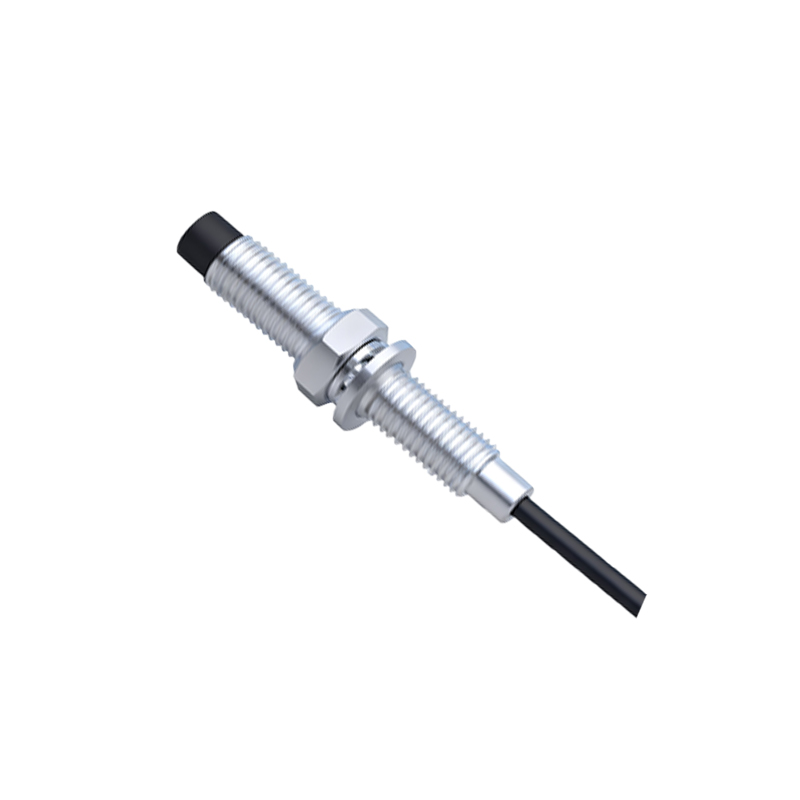
Maintenance considerations emphasize periodic checks for alignment and cleanliness, as accumulated debris can attenuate sensing performance. Calibration is generally not required due to factory-set thresholds, but environmental factors like temperature fluctuations may necessitate recalibration in precision applications. Advancements include IO-Link compatibility for digital communication, enabling real-time monitoring of parameters like switch cycles and temperature, thus supporting predictive maintenance strategies.
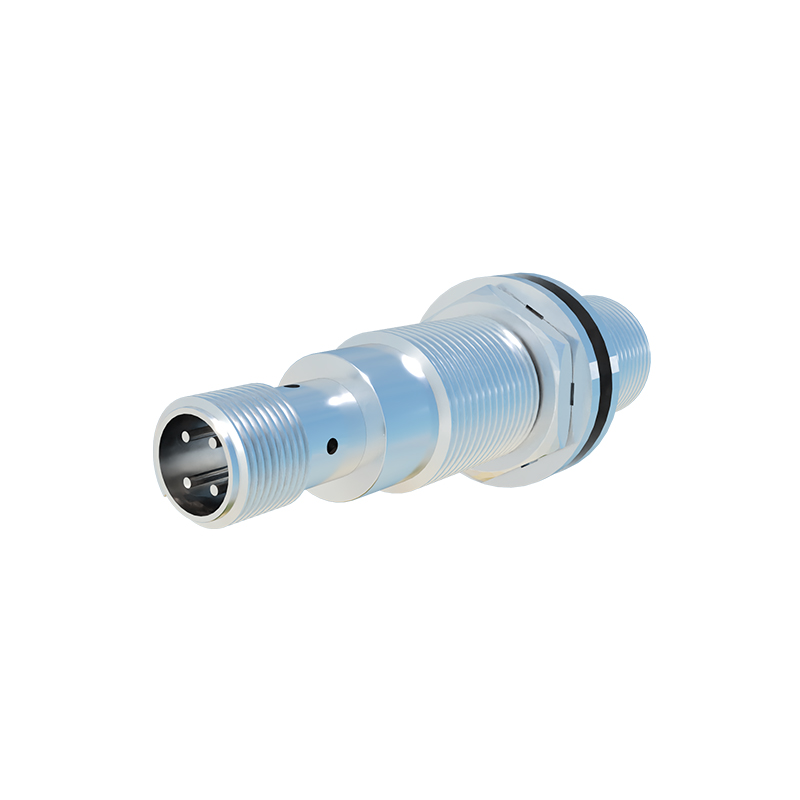
In summary, square proximity limit switch sensors combine mechanical robustness with reliable non-contact detection, driving efficiency and safety in automated processes. Their adaptability to challenging environments and integration with smart factory systems underscores their enduring relevance in modern industrial engineering.