Proximity sensors are critical components in modern aviation, particularly in Airbus aircraft, where they contribute significantly to flight safety, operational efficiency, and system reliability. These sensors, often based on inductive, capacitive, or ultrasonic technologies, detect the presence or absence of objects without physical contact. In Airbus models, from the A320 family to the wide-body A350, proximity sensors are integrated into various systems, including landing gear, doors, flaps, and engine components. Their primary function is to provide real-time data to the aircraft's avionics, enabling automated responses and pilot alerts.
One key application is in the landing gear system. Proximity sensors monitor the position of gears—whether retracted or extended—and send signals to the cockpit displays. This ensures pilots have accurate information during takeoff and landing, reducing the risk of gear-related incidents. For instance, if a sensor detects an anomaly, such as an unsecured gear, it triggers warnings, allowing for immediate corrective action. Airbus employs redundant sensor arrays to enhance reliability, adhering to strict aviation safety standards like those set by EASA and FAA.
In engine management, proximity sensors play a vital role in monitoring blade tip clearance and detecting foreign object debris (FOD). By measuring distances between rotating and static parts, they help optimize engine performance and prevent damage. Airbus's advanced engines, such as those in the A350's Rolls-Royce Trent XWB, utilize these sensors to maintain efficiency and comply with environmental regulations. Additionally, in door and flap systems, sensors ensure secure closure and proper alignment, which is crucial for aerodynamic integrity and passenger safety.
The technology behind these sensors has evolved with Airbus's focus on digitalization and the "Connected Aircraft" concept. Modern proximity sensors are often part of networked systems, transmitting data to maintenance crews via Airbus's Skywise platform. This enables predictive maintenance, where potential issues are identified before they escalate, minimizing downtime and operational costs. For example, a sensor detecting wear in a component can alert ground teams, scheduling repairs during routine checks rather than mid-flight emergencies.
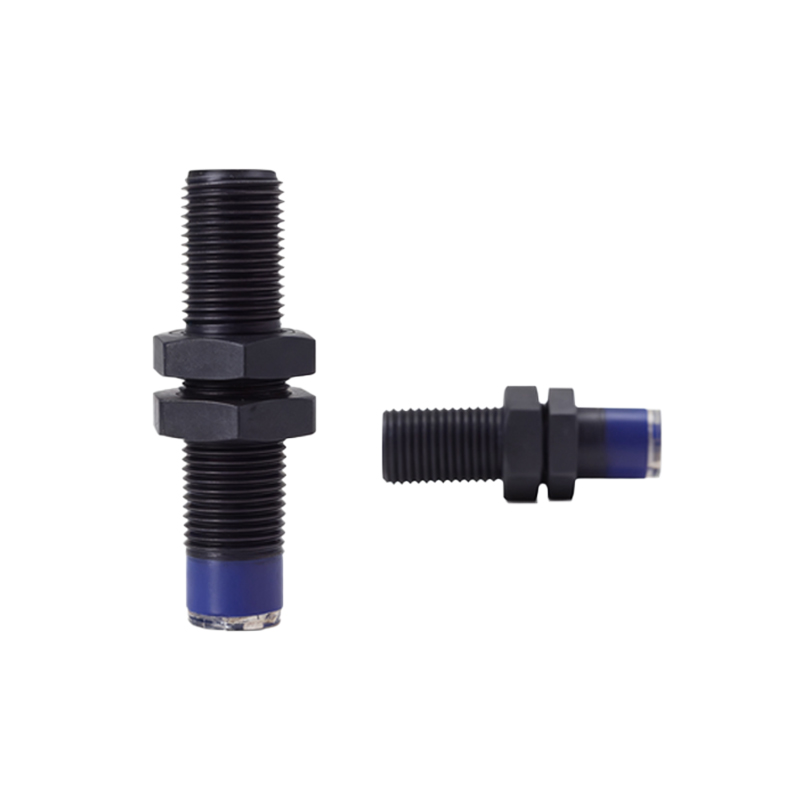
Despite their robustness, proximity sensors face challenges like electromagnetic interference (EMI) and extreme environmental conditions. Airbus addresses this through rigorous testing, including temperature, vibration, and EMI resistance checks, ensuring sensors perform reliably from -55°C to 125°C. The use of materials like titanium and advanced polymers further enhances durability. Looking ahead, innovations in miniaturization and AI integration may lead to smarter sensors capable of self-diagnosis, aligning with Airbus's vision for next-generation aviation.
In summary, proximity sensors in Airbus aircraft are indispensable for safe and efficient operations. By enabling precise monitoring and automation, they support the aviation industry's goals of reducing human error and enhancing sustainability. As Airbus continues to innovate, these sensors will remain at the forefront of aviation technology, contributing to safer skies and more reliable flights for passengers worldwide.