In the realm of industrial automation and fluid power systems, cylinder magnetic proximity sensors stand as critical components for precise position detection and control. These sensors, often referred to simply as magnetic sensors or reed switches in cylinder applications, are designed to detect the presence of a piston within a pneumatic or hydraulic cylinder by sensing the magnetic field of a permanent magnet integrated into the piston. Their operation is fundamental to countless automated processes, providing reliable feedback that ensures machinery operates safely, efficiently, and in sequence.
The core principle behind a cylinder magnetic proximity sensor is elegantly simple. A typical sensor unit is mounted externally on the cylinder barrel. Inside the cylinder, the piston is equipped with a permanent ring magnet. As the piston moves along its stroke, the magnet passes by the sensor's location. The sensor contains a hermetically sealed reed switch or a solid-state Hall effect element. When the magnetic field strength reaches a certain threshold, the switch closes (or opens, depending on the configuration), changing the electrical state of the sensor output. This state change is then transmitted to the programmable logic controller (PLC) or other control system, signaling the piston's precise position—whether it is at the end-of-stroke, in a mid-stroke position, or at a specific point for triggering subsequent actions.
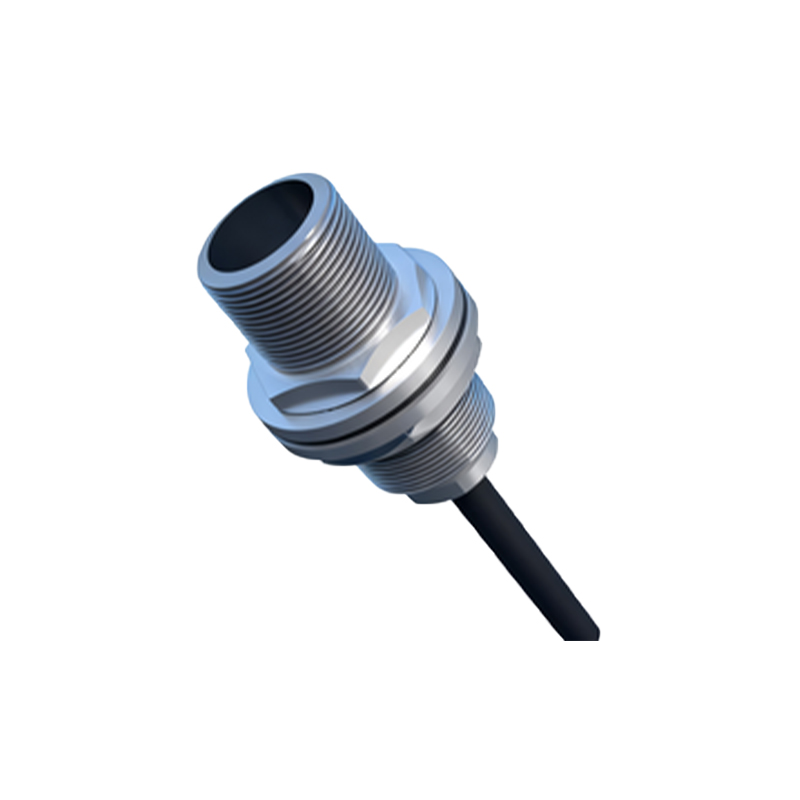
There are two primary sensing technologies employed: reed switches and Hall effect sensors. Reed switch types are traditional, cost-effective, and suitable for many standard applications. They consist of two ferromagnetic reeds enclosed in a glass tube filled with inert gas. The magnetic field causes the reeds to flex and make contact. However, they have limitations in switching speed, bounce, and mechanical life compared to their solid-state counterparts. Hall effect sensors, based on semiconductor technology, detect changes in magnetic flux density. They offer faster response times, higher switching frequencies, virtually infinite operational life (no moving parts), and greater resistance to shock and vibration. The choice between technologies depends on factors like required switching frequency, environmental conditions, longevity needs, and budget.
Selecting the right magnetic proximity sensor for a cylinder involves several key considerations. First is the cylinder type and mounting style. Sensors are designed for specific cylinder profiles (e.g., ISO, VDMA, NFPA) and can be mounted in grooves, with brackets, or in threaded holes. The electrical characteristics are paramount: output type (PNP/NPN, NO/NC), voltage rating (commonly 10-30V DC), and current capacity. Environmental robustness is crucial for industrial settings. Look for high Ingress Protection (IP) ratings (e.g., IP67, IP69K) for resistance to dust and water, wide operating temperature ranges, and resistance to oils, coolants, and chemicals. The sensing distance, or switching differential, must be compatible with the magnet's strength and cylinder design to ensure reliable switching without false triggers.
Installation and wiring practices significantly impact performance. Ensure the sensor is correctly aligned and securely fastened according to manufacturer specifications. The sensing face must be parallel to the cylinder axis and at the correct radial position. For adjustable sensors, fine-tuning after installation optimizes the trigger point. Wiring should follow proper electrical standards, using shielded cables in electrically noisy environments to prevent electromagnetic interference (EMI) from causing erratic signals. Always adhere to lockout/tagout procedures during installation or maintenance for safety.
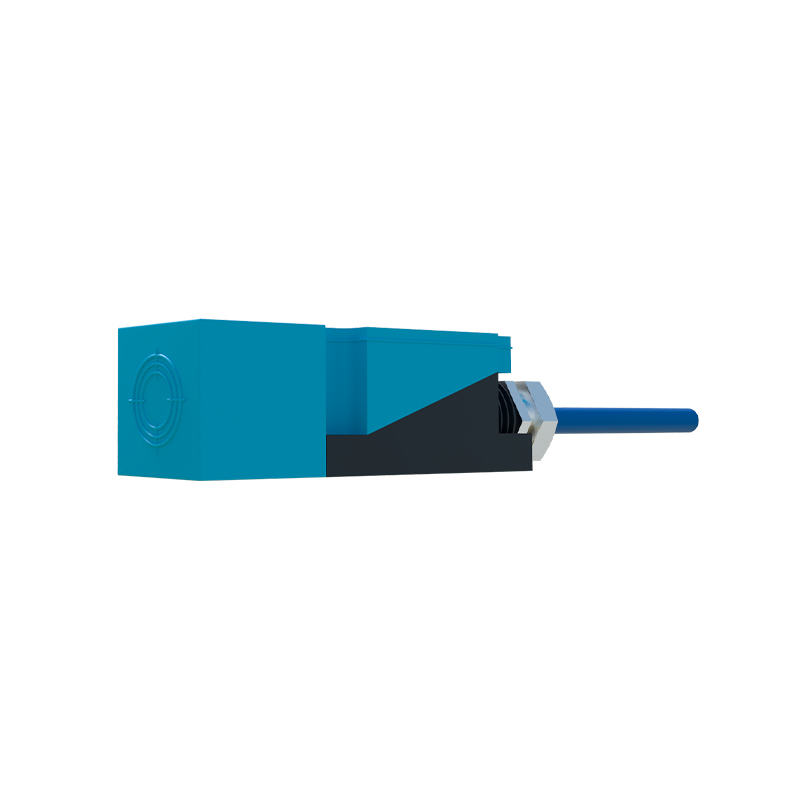
The applications of cylinder magnetic proximity sensors are vast and span across all manufacturing sectors. They are indispensable in packaging machinery for controlling ejector or clamping cylinder positions, in automotive assembly lines for robotic welding and part handling, in material handling for gate and diverter control, and in press and molding machines for sequencing and safety interlocks. By providing accurate position feedback, they enable precise control over cylinder movement, contributing to improved cycle times, reduced product damage, and enhanced overall equipment effectiveness (OEE).
Maintenance is generally minimal due to the non-contact nature of sensing. However, periodic checks are advisable. Inspect for physical damage to the sensor or cable, ensure mounting remains secure, and verify signal integrity by monitoring the output with the cylinder in operation. Common issues include failure to trigger, which may stem from a misaligned sensor, a weakened piston magnet, wiring faults, or a damaged sensor. Consistent signal chatter might indicate EMI problems or a marginal sensing distance.
In conclusion, cylinder magnetic proximity sensors are robust, reliable workhorses of industrial automation. Understanding their operating principles, technology options, and selection criteria empowers engineers and maintenance personnel to implement and maintain systems that demand high reliability and precision. As Industry 4.0 and the Industrial Internet of Things (IIoT) advance, these sensors continue to evolve, with features like IO-Link communication enabling predictive maintenance and deeper integration into smart factory networks, further solidifying their essential role in modern industrial control systems.