In industrial automation and control systems, proximity sensors play a critical role in detecting the presence or absence of objects without physical contact. Among the various specifications, the sensing distance—often denoted as "Distance 35" in technical datasheets—is a fundamental parameter that directly impacts sensor selection and system performance. This article delves into the significance of a 35mm sensing distance, exploring its technical underpinnings, influencing factors, and practical applications in diverse industrial settings.
The term "Distance 35" typically refers to a nominal sensing range of 35 millimeters for inductive or capacitive proximity sensors. This distance is not arbitrary; it is carefully engineered based on sensor design, target material properties, and environmental conditions. For inductive sensors, which detect metallic objects, the 35mm range is often achieved through optimized coil configurations and oscillator circuits that generate an electromagnetic field. When a metal target enters this field, eddy currents are induced, causing a change in oscillation amplitude that triggers the sensor's output. The effective sensing distance can vary depending on the target's material—ferrous metals like iron or steel are detected at the full 35mm, while non-ferrous metals such as aluminum or copper may reduce the range due to differences in conductivity and permeability.
Several factors influence the reliable operation of a proximity sensor at a 35mm distance. Temperature fluctuations can affect the sensor's electronic components and the target's material properties, potentially altering the sensing range. Industrial environments often contain contaminants like dust, oil, or coolant, which may accumulate on the sensor face and diminish its effectiveness. Shielded sensor designs help mitigate interference from adjacent metal objects, ensuring consistent performance. Additionally, the sensor's mounting orientation and the target's approach direction—whether axial or lateral—can impact the actual detection capability. Engineers must account for these variables during installation to avoid false triggers or missed detections.
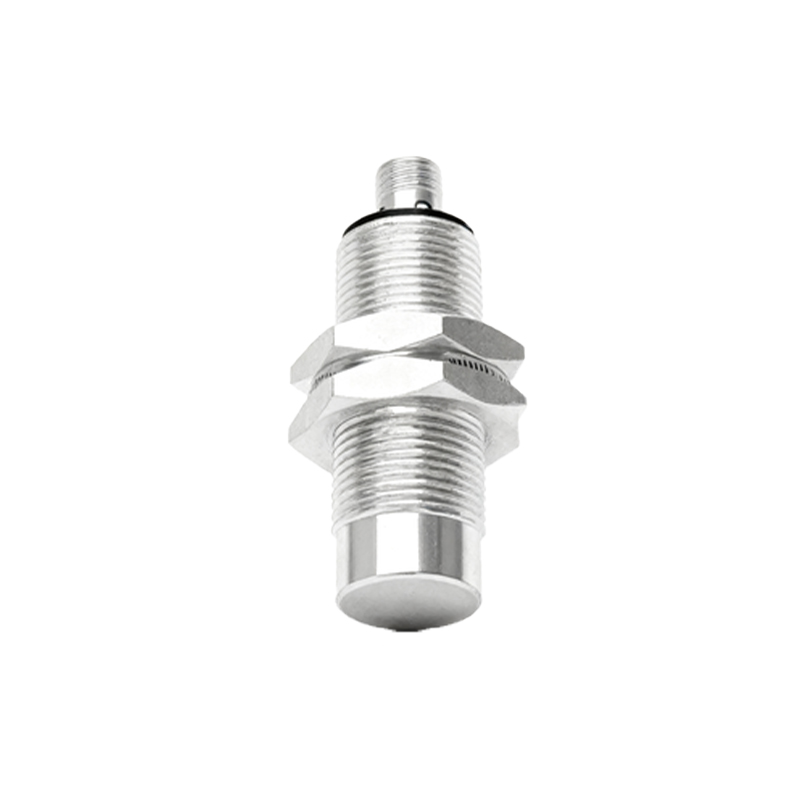
In practice, proximity sensors with a 35mm sensing distance are widely used in manufacturing and machinery applications. On conveyor systems, they monitor the position of metal components or pallets, ensuring precise timing for robotic arms or sorting mechanisms. In automotive assembly lines, these sensors verify the presence of engine blocks or chassis parts, contributing to quality control and process automation. Machine tools employ them for tool wear detection or workpiece positioning, where maintaining a consistent gap is crucial for safety and accuracy. The 35mm range offers a balance between detection capability and physical compactness, allowing sensors to be installed in tight spaces while providing sufficient leeway for mechanical tolerances.
When selecting a proximity sensor for a Distance 35 application, key specifications beyond the nominal range should be considered. The hysteresis—the difference between the switch-on and switch-off points—affects repeatability and must be minimized for precision tasks. Response time determines how quickly the sensor reacts to target movement, which is vital in high-speed operations. Environmental ratings, such as IP67 for dust and water resistance, ensure durability in harsh conditions. Furthermore, output types (e.g., NPN, PNP, or analog) and connection methods (e.g., cable or connector) should align with the control system's requirements. Regular maintenance, including cleaning the sensor face and checking for mechanical damage, helps sustain optimal performance over time.
Advancements in sensor technology continue to enhance the reliability and versatility of Distance 35 proximity sensors. Modern designs incorporate temperature compensation circuits to stabilize performance across a wide operating range. Some models feature built-in diagnostics, such as LED indicators or IO-Link communication, providing real-time status updates and simplifying troubleshooting. As Industry 4.0 evolves, these sensors are increasingly integrated into networked systems, enabling predictive maintenance and data-driven optimization. By understanding the principles and applications of a 35mm sensing distance, engineers can make informed decisions that improve efficiency, safety, and productivity in automated processes.
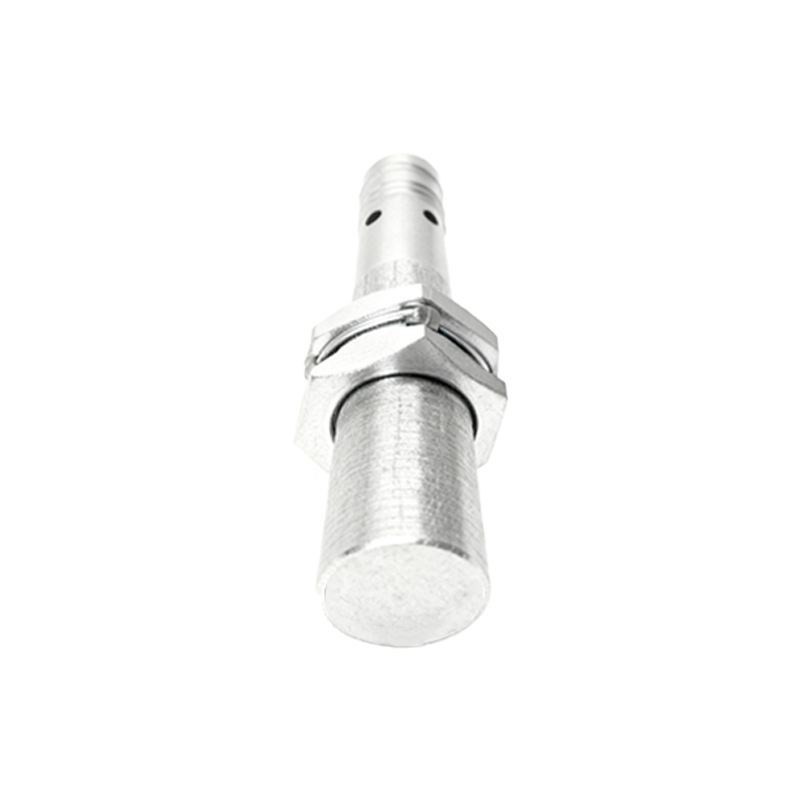
In summary, the Distance 35 specification represents a common and practical choice for proximity sensing in industrial environments. Its effectiveness hinges on a thorough grasp of technical details, environmental factors, and application needs. Through careful selection and implementation, these sensors contribute significantly to the seamless operation of modern automation systems, underscoring their importance in the electrical and control engineering landscape.