In the realm of industrial automation and control systems, the reliability and precision of sensing technology are paramount. Among the various components that form the backbone of modern machinery, proximity switch sensors play a critical role. Miboo, as a recognized provider in this field, offers a range of proximity sensors designed to meet rigorous industrial demands. This article delves into the operational principles, key features, and typical applications of Miboo proximity switch sensors, providing a comprehensive overview for engineers and procurement specialists.
Proximity sensors are non-contact devices that detect the presence or absence of an object within a specific range. Unlike mechanical limit switches, they operate without physical contact, thereby reducing wear and tear and ensuring longer service life. Miboo proximity sensors primarily utilize inductive, capacitive, or sometimes magnetic principles. Inductive sensors are the most common in industrial settings, ideal for detecting metallic objects. They generate an electromagnetic field; when a metal target enters this field, it causes a change in the oscillation amplitude, which the sensor circuitry detects, triggering a switch signal. Capacitive sensors, on the other hand, can detect both metallic and non-metallic materials by sensing changes in capacitance caused by the target object.
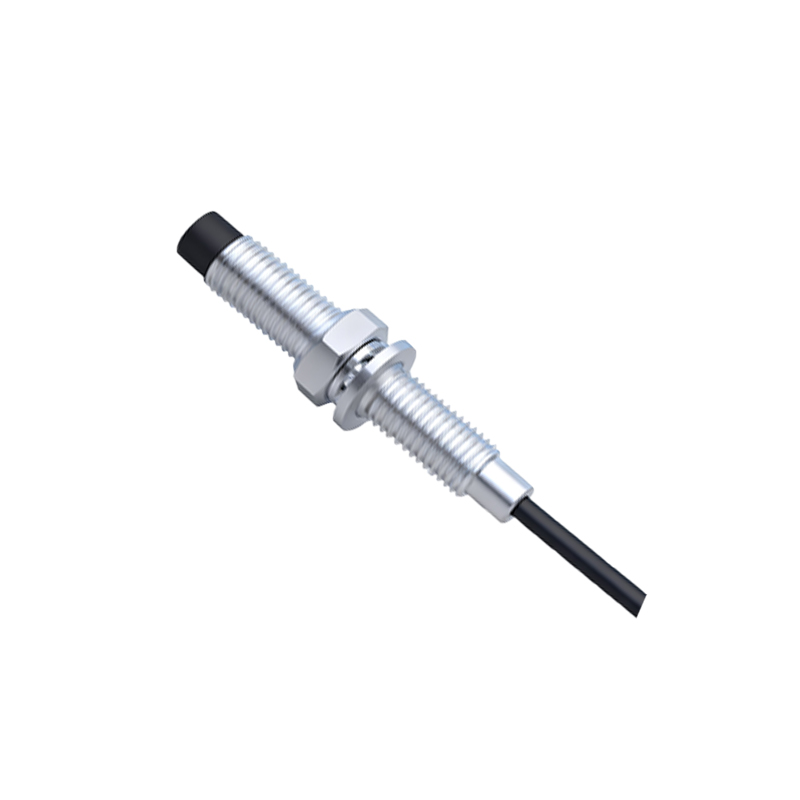
The design philosophy behind Miboo proximity switches emphasizes robustness, accuracy, and ease of integration. Key features often include:
High Sensing Distance: Models are available with various sensing ranges, allowing for flexible installation without the need for precise alignment.
Rugged Housing: Typically constructed from materials like nickel-plated brass, stainless steel, or PBT plastic, these sensors offer excellent resistance to vibration, shock, and harsh environmental conditions including oils and coolants.
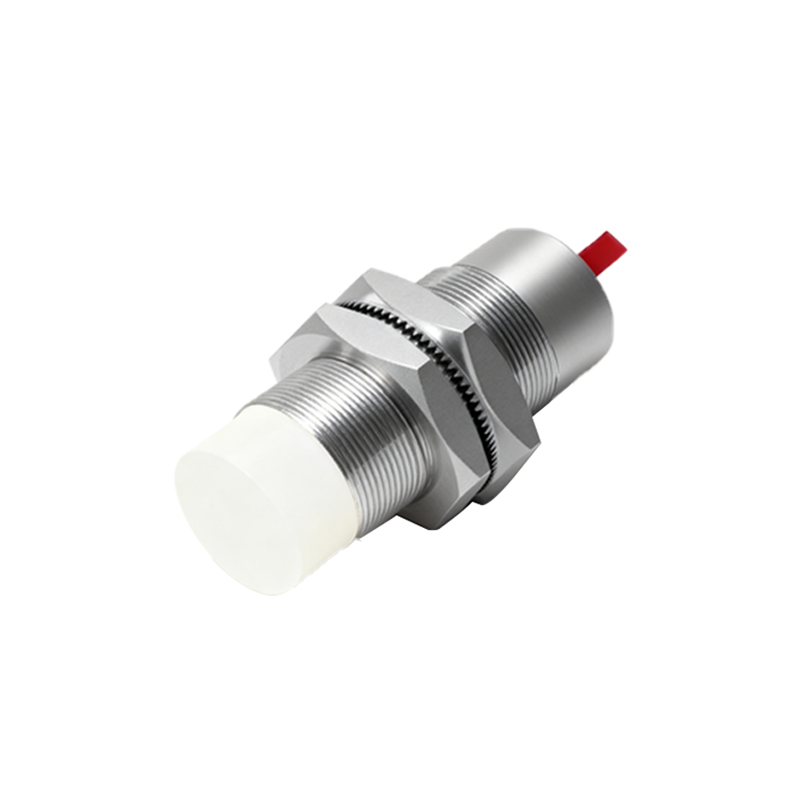
Output Configurations: They come with different output types such as NPN (sinking), PNP (sourcing), or analog (4-20mA, 0-10V), compatible with a wide array of PLCs (Programmable Logic Controllers) and control systems.
LED Status Indicator: A built-in LED provides visual confirmation of the sensor's operational state and detection events, simplifying debugging and maintenance.
Short-Circuit and Reverse Polarity Protection: Integrated protection circuits enhance system reliability and prevent damage from wiring errors or electrical faults.
Fast Response Time: With switching frequencies often in the kilohertz range, Miboo sensors can handle high-speed production line applications without missing detection events.
The application spectrum for Miboo proximity sensors is vast. In automotive manufacturing, they are used for part presence verification, robotic arm positioning, and counting components on conveyor belts. Within packaging machinery, these sensors ensure correct bottle cap placement, detect film breaks, and control filling levels. In material handling and logistics, they facilitate pallet detection, door position sensing, and automated guided vehicle (AGV) navigation. Furthermore, their use extends to metalworking CNC machines for tool positioning, in the food and beverage industry for detecting containers (often using capacitive versions for glass or plastic), and in assembly lines for verifying the correct orientation of parts.
Selecting the right Miboo proximity sensor requires careful consideration of several factors. The nature of the target material (metal, plastic, liquid) dictates whether an inductive or capacitive sensor is needed. The required sensing distance, installation space constraints, and the electrical characteristics of the control system (voltage supply, required output type) are also crucial. Environmental factors such as temperature extremes, potential washdowns, or exposure to chemicals will influence the choice of housing material and ingress protection (IP) rating.
Installation and wiring are straightforward but must adhere to best practices. Ensuring a stable power supply within the sensor's specified voltage range is essential. The sensor should be mounted securely to minimize vibration effects, and adequate clearance should be maintained around the sensing face to prevent interference from surrounding metal objects (a concept known as the "flush-mountable" or "non-flush" installation guideline). Regular maintenance, though minimal, involves keeping the sensing face clean from debris and periodically checking for loose connections.
In conclusion, Miboo proximity switch sensors represent a reliable and versatile solution for object detection in automated industrial environments. Their non-contact operation, durable construction, and precise performance make them indispensable for enhancing efficiency, safety, and productivity across numerous sectors. For engineers designing or maintaining automated systems, understanding the capabilities and proper implementation of these sensors is key to optimizing machine performance and ensuring seamless operation.