Laser distance sensors are widely used in industrial automation, construction, robotics, and surveying due to their high accuracy, fast response, and non-contact measurement capabilities. However, one of the most common and challenging environmental factors affecting their performance is dust. Dust particles in the air or accumulated on sensor components can significantly degrade measurement accuracy, reliability, and operational lifespan. This article delves into the mechanisms of dust interference, practical mitigation strategies, and selection criteria for sensors in dusty environments.
Dust primarily impacts laser distance sensors through two main mechanisms: optical interference and surface contamination. Optical interference occurs when airborne dust particles scatter or absorb the laser beam before it reaches the target or as it reflects back to the receiver. This scattering can attenuate the signal strength, cause erroneous reflections, or create noise that obscures the true measurement signal. For time-of-flight (ToF) or phase-shift sensors, this can lead to inaccurate distance calculations. For triangulation-based sensors, dust can deflect the laser point or blur the received spot on the position-sensitive detector (PSD), resulting in measurement drift or failure.
Surface contamination involves the accumulation of dust on the sensor's optical window or lens. A dirty lens acts like a filter, reducing the intensity of both the emitted laser and the returning light. Over time, this buildup can completely block the optical path, causing sensor failure. Even thin layers can cause refraction or diffraction effects, introducing systematic errors. In environments with conductive or corrosive dust (e.g., metal shavings, chemical powders), there is also a risk of electrical short circuits or corrosion of electronic contacts and housing seals.
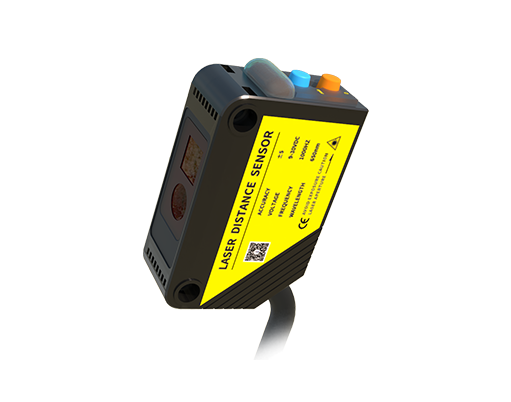
To combat these issues, several design and application strategies are essential. First, selecting sensors with appropriate Ingress Protection (IP) ratings is crucial. For dusty conditions, a rating of IP65 or higher is typically recommended. IP65 denotes dust-protected (not totally dust-tight but sufficient to prevent harmful ingress) and protection against water jets. IP67 or IP68 offers higher dust resistance (dust-tight) and protection against temporary or prolonged immersion, often featuring robust sealing with O-rings.
Second, consider sensors with integrated air purge or cleaning systems. An air purge setup uses a continuous or intermittent flow of clean, dry air (or inert gas) across the optical window to create a positive pressure barrier, preventing dust from settling. This is common in heavy industries like cement, mining, or wood processing. Some sensors have built-in wipers or vibrating mechanisms to periodically clear the lens.
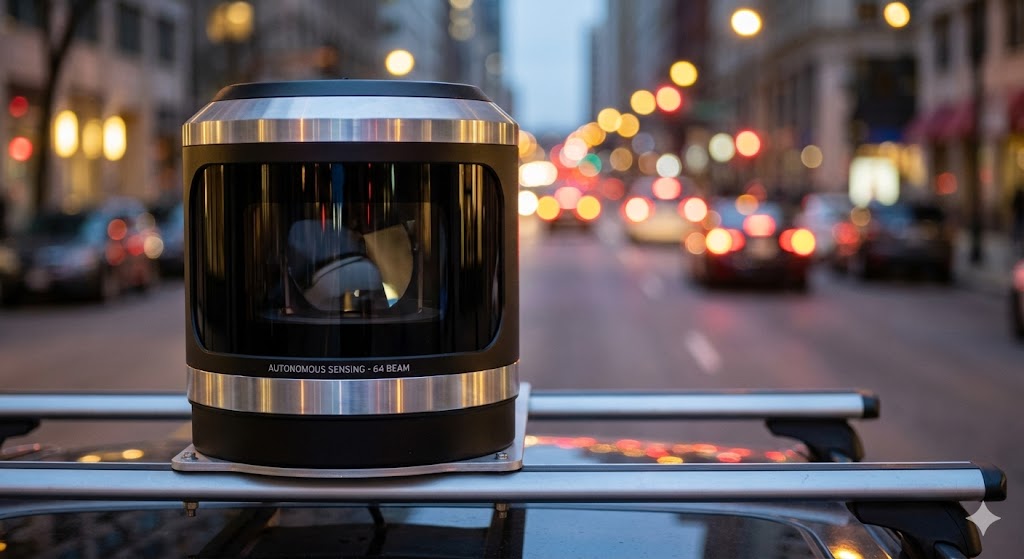
Third, optical design choices matter. Sensors with a coaxial optical design (where the emitter and receiver share the same optical axis through a beam splitter) can be more resilient to mild dust on the window, as the effect on both outgoing and incoming light paths is symmetric. Using a higher laser power class (within safety limits, e.g., Class 2) can help maintain signal-to-noise ratio through light attenuation. Additionally, sensors with advanced signal processing algorithms can filter out noise spikes caused by transient dust interference.
Fourth, proper installation and maintenance are key. Installing sensors in a location with minimal airflow turbulence or using protective housings (with cleanable windows) can reduce exposure. Establishing a regular maintenance schedule for visual inspection and cleaning of optical surfaces using approved methods (e.g., lint-free cloth, appropriate solvents) is vital. Never use abrasive materials that could scratch coatings.
When selecting a laser distance sensor for a dusty application, evaluate specifications like maximum range under stated environmental conditions, beam divergence (a narrower beam may be less susceptible to interference but requires precise alignment), and operating temperature range (to ensure seals remain effective). Consult manufacturer data on dust resistance and, if possible, request testing or references from similar applications.
In conclusion, while dust poses a significant challenge to laser distance sensor operation, understanding its effects enables the implementation of effective countermeasures. By combining appropriate sensor selection (focusing on IP rating, optical design, and purge options), careful installation, and disciplined maintenance, engineers can ensure reliable and accurate distance measurement even in the most demanding dusty industrial environments. Continuous advancements in sensor technology and protective features further enhance robustness, making laser sensors a viable solution across a broad spectrum of applications.