In the world of industrial automation and control systems, the reliability of a proximity sensor is not merely a feature—it is the cornerstone of operational integrity, safety, and efficiency. As a seasoned electrical engineer with decades of field experience, I am often asked: "Which type of proximity sensor is the most reliable?" The answer, as with many engineering questions, is nuanced: it depends heavily on the application, environment, and specific performance requirements. However, by examining core technologies, construction, and real-world performance data, we can identify which sensors consistently deliver superior reliability under demanding conditions.
First, let's clarify what we mean by "reliability" in this context. For a proximity sensor, reliability encompasses long-term operational stability, minimal false triggering, resistance to environmental stressors (like temperature extremes, moisture, vibration, and electromagnetic interference), and a prolonged mean time between failures (MTBF). It is the sensor's ability to perform its designated switching function accurately, millions upon millions of times, without degradation.
The three primary non-contact proximity sensor technologies are inductive, capacitive, and photoelectric. Each has its strengths, but when the benchmark is sheer, uncompromising reliability for standard industrial object detection, inductive proximity sensors frequently emerge as the frontrunner.
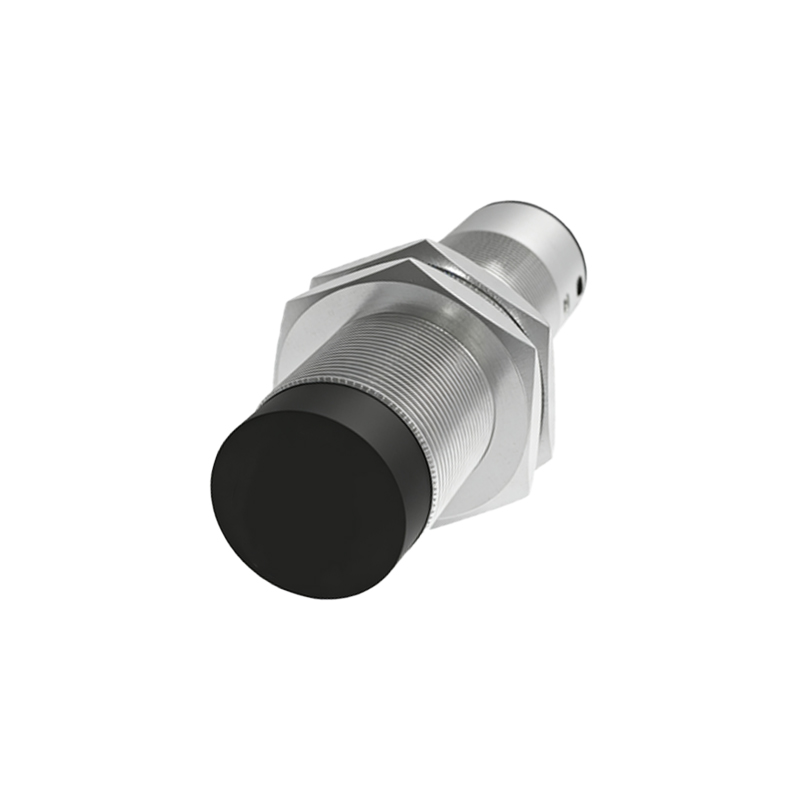
Inductive Proximity Sensors: The Robust Workhorse
Inductive sensors detect metallic objects (primarily ferrous metals like steel and iron, with specialized versions for non-ferrous metals) by generating an electromagnetic field. Their hallmark reliability stems from a simple, solid-state design with no moving mechanical parts. The sensing face is typically a rugged polymer or ceramic material, and the housing is often constructed from nickel-plated brass or stainless steel (e.g., V2A or V4A grades), offering exceptional resistance to physical impact, chips, and corrosive chemicals. They are inherently immune to dust, dirt, oil, and opaque fluids—common contaminants that easily disrupt optical sensors. Their sealed construction (commonly meeting IP67, IP68, or IP69K ratings) makes them ideal for harsh washdown environments in food & beverage or pharmaceutical manufacturing. Furthermore, they are largely unaffected by ambient light conditions. The primary limitation—detecting only metals—is, in many industrial settings, a non-issue or even a benefit for targeted sensing.
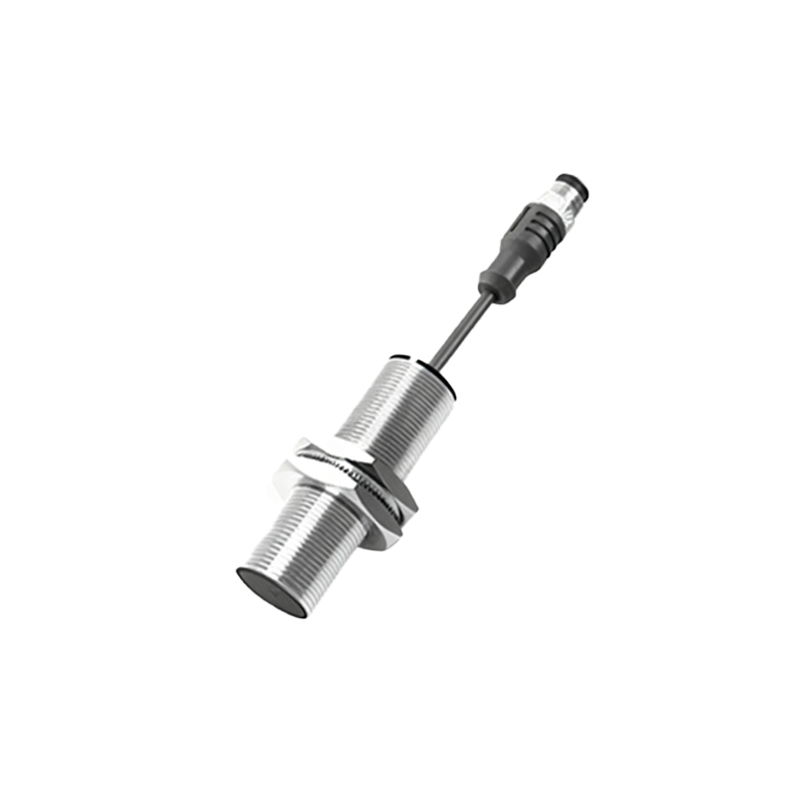
Capacitive Proximity Sensors: The Versatile Performer
Capacitive sensors can detect nearly any material—metals, plastics, wood, liquids, and granules—by measuring changes in capacitance. While incredibly versatile, this very sensitivity can be a double-edged sword for reliability. They can be influenced by changes in humidity, temperature, and the dielectric constant of the target material. Stray capacitance from nearby objects or even buildup on the sensor face (like condensation or material residue) can cause false triggers. Therefore, while highly reliable in controlled applications like level detection of non-metallic materials or in clean environments, they often require more careful installation, shielding, and tuning to achieve stability comparable to inductive sensors in dynamic industrial floors.
Photoelectric Sensors: The Long-Range Specialist
Photoelectric sensors, using light beams (visible, infrared, or laser), offer the longest sensing ranges and can detect objects regardless of material. Their reliability, however, is highly conditional. Their optical components (lenses, emitters, receivers) are vulnerable to fouling. Dust, steam, mud, or paint overspray can completely blind the sensor. While models with robust housings and built-in air purge ports exist, they introduce complexity. Alignment is also critical for through-beam and retro-reflective types; vibration can misalign them, causing failure. In clean, stable environments, modern photoelectric sensors are exceptionally reliable. But in the typical dirty, wet, and vibrating world of heavy industry, their failure rate per operating hour tends to be higher than that of a well-chosen inductive sensor.
Key Factors Enhancing Reliability Across All Types:
Beyond the core technology, reliability is engineered through:
1. Quality of Construction: Sensors from reputable manufacturers use high-grade components, superior sealing techniques (like epoxy-potted electronics), and rigorous quality control.
2. Output Configuration: Solid-state outputs (PNP/NPN) are more reliable than mechanical reed relays. Short-circuit, overload, and reverse polarity protection circuits are critical.
3. Environmental Ratings: Look for sensors with appropriate IP (Ingress Protection) and NEMA ratings for the environment, and ensure they can withstand the specific temperature, shock, and vibration profiles of the application.
4. Electrical Noise Immunity: Sensors with robust shielding and designed to meet EMI/RFI immunity standards (like IEC 60947-5-2) are crucial for reliability in electrically noisy plants.
Conclusion and Recommendation
For the highest overall reliability in the broad spectrum of industrial manufacturing