In the realm of industrial automation and control, metal detection proximity sensors stand as indispensable components, providing non-contact detection of metallic objects with remarkable reliability and precision. These sensors are fundamental to countless processes, from manufacturing and packaging to automotive assembly and material handling. Their ability to operate without physical contact ensures minimal wear, high-speed operation, and longevity in demanding environments.
At its core, a metal detection proximity sensor generates an electromagnetic field. When a metallic object enters this field, eddy currents are induced on the surface of the metal. These currents cause a change in the oscillation amplitude or frequency within the sensor's internal circuit. The sensor's electronics detect this change and trigger a switching signal, typically an output to a programmable logic controller (PLC) or other control system. This principle allows for the detection of ferrous metals (like iron and steel) and non-ferrous metals (such as aluminum, copper, and brass), though sensitivity and detection range can vary significantly based on the metal type and sensor technology.
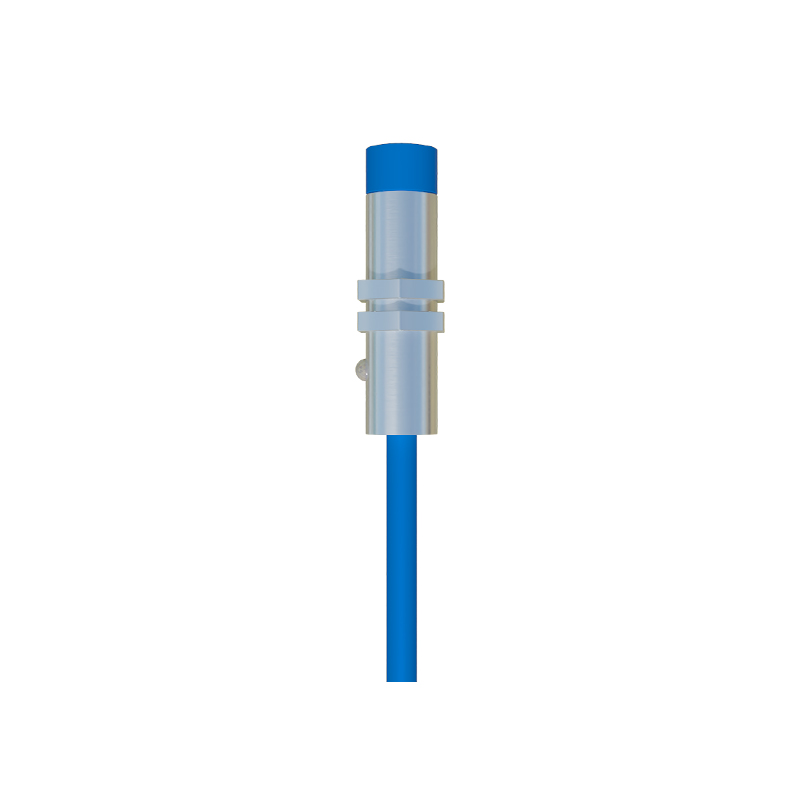
The two primary categories of these sensors are inductive proximity sensors and capacitive proximity sensors, with the former being the most common for metal detection. Inductive sensors are specifically tuned to detect metallic objects. Their sensing range is influenced by the target metal's properties; ferrous metals are generally detected at a longer range than non-ferrous metals of the same size. Key specifications include the nominal sensing distance (Sn), which is defined for a standard target of mild steel, and factors like hysteresis (the difference between the switch-on and switch-off points) and repeatability.
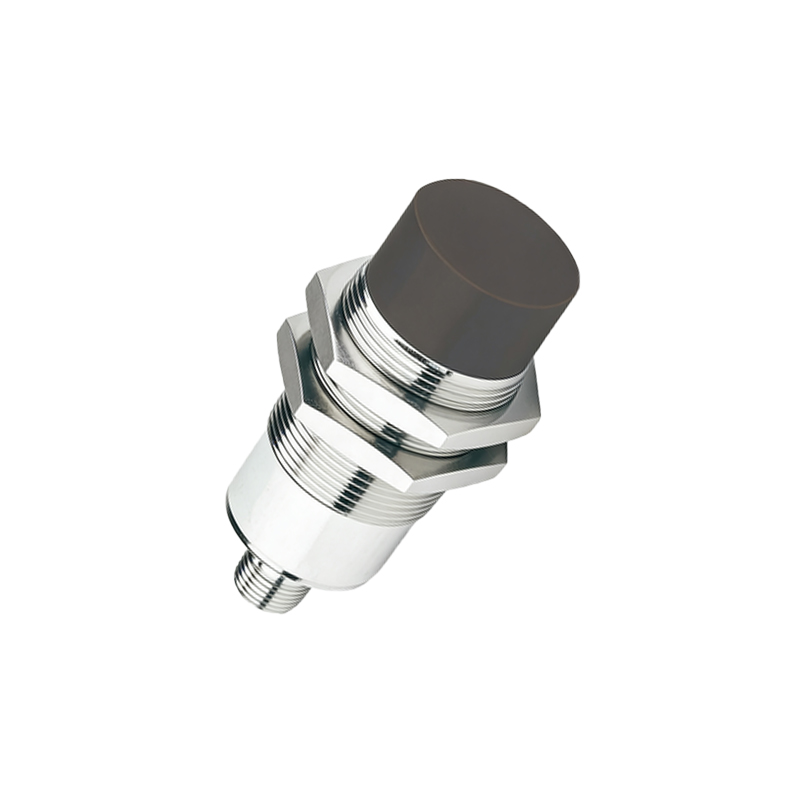
Capacitive proximity sensors, while capable of detecting metals, are designed to sense a wider variety of materials, including liquids, plastics, and powders, by detecting changes in capacitance. For pure metal detection tasks, inductive sensors are typically preferred due to their targeted sensitivity and immunity to non-metallic substances.
Selecting the right metal detection proximity sensor requires careful consideration of several application parameters. The operating environment is paramount. Sensors are available with varying degrees of ingress protection (IP ratings) for resistance to dust and water, and housing materials (like nickel-plated brass, stainless steel, or PBT plastic) are chosen for chemical resistance or wash-down duties in food and pharmaceutical industries. Other critical factors include the required sensing distance, the size and type of the target metal, the switching frequency (how quickly it can detect objects), output type (PNP/NPN, analog, IO-Link), and supply voltage.
The applications are vast and integral to modern industry. In automotive manufacturing, they verify the presence of engine blocks, pistons, or gears on assembly lines. In packaging, they count metal cans or detect foil seals. On conveyor systems, they provide position feedback for metal parts, initiate sorting processes, or act as safety interlocks on machinery guards. In metalworking, they are used for tool wear monitoring or detecting the end of a metal coil. The advent of advanced sensors with IO-Link communication further enhances their utility, enabling digital parameter setting, condition monitoring, and integration into Industry 4.0 data collection systems.
Installation and maintenance are generally straightforward but crucial for optimal performance. Engineers must account for the sensor's mounting, ensuring that surrounding metal (like the mounting bracket itself) does not interfere with the sensing field—a consideration known as the flush or non-flush mounting specification. Regular checks for accumulated debris on the sensing face and verification of electrical connections help prevent false triggers or failures.
In conclusion, metal detection proximity sensors are a mature yet continuously evolving technology. Their robustness, versatility, and critical role in enabling automated, efficient, and safe industrial operations make them a cornerstone of electrical control systems. As automation demands grow smarter and more connected, these sensors will continue to adapt, offering greater intelligence, precision, and diagnostic capabilities to meet the challenges of next-generation manufacturing and beyond.