In the realm of industrial automation and machine design, proximity sensors are indispensable components. They provide non-contact detection of objects, enabling precise control, safety, and efficiency in countless applications. Unlike limit switches that require physical contact, proximity sensors detect the presence or absence of an object within a specified range without any mechanical touch. This fundamental characteristic eliminates wear and tear, ensures high reliability, and allows for extremely fast response times. This article delves into the primary types of proximity sensors, their underlying working principles, and their critical roles across various industries.
The most common categorization of proximity sensors is based on their detection technology. The major types include Inductive, Capacitive, Ultrasonic, Photoelectric, and Magnetic (Reed Switch or Hall Effect) sensors.
Inductive Proximity Sensors are the workhorses of metal detection in industrial environments. They generate an electromagnetic field from a coil in the sensing face. When a metallic object enters this field, eddy currents are induced in the target, causing a change in the oscillation amplitude of the sensor's internal circuit. This change triggers the sensor's output switch. Inductive sensors are robust, resistant to dirt, dust, and moisture, and are ideal for detecting ferrous and non-ferrous metals, though with varying sensing distances. Typical applications include part positioning on conveyor lines, machine tool automation, and detecting the presence of metal parts in assembly processes.
Capacitive Proximity Sensors can detect both metallic and non-metallic materials, such as liquids, plastics, glass, wood, and granules. They operate by generating an electrostatic field. Any object that enters this field alters the capacitance of the sensor's circuit, prompting a state change in the output. The sensitivity is often adjustable, allowing them to ignore certain materials or detect through thin non-metallic barriers. This makes them perfect for level detection in tanks (liquid or solid), material handling, and detecting filled vs. empty containers on packaging lines.
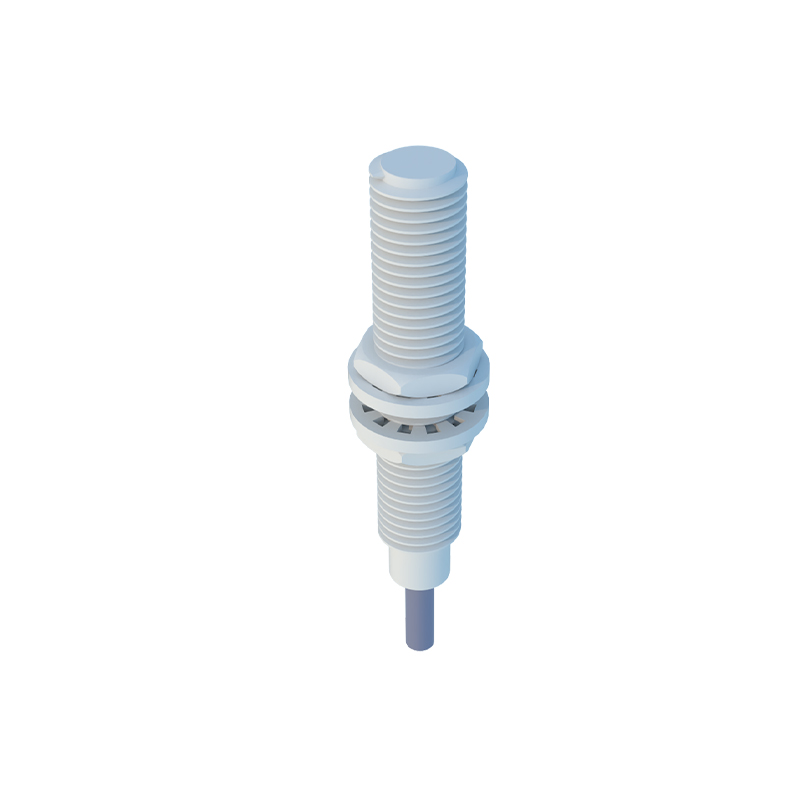
Ultrasonic Proximity Sensors measure distance or detect presence using sound waves beyond human hearing. They emit high-frequency ultrasonic pulses and then listen for the echo reflected from a target object. By calculating the time interval between emission and reception, the sensor can determine the object's distance. These sensors are excellent for detecting objects of virtually any material, shape, or color, and are unaffected by dust, smoke, or light conditions. Common uses include pallet detection, loop control, liquid level sensing in harsh environments, and collision avoidance in automated guided vehicles (AGVs).
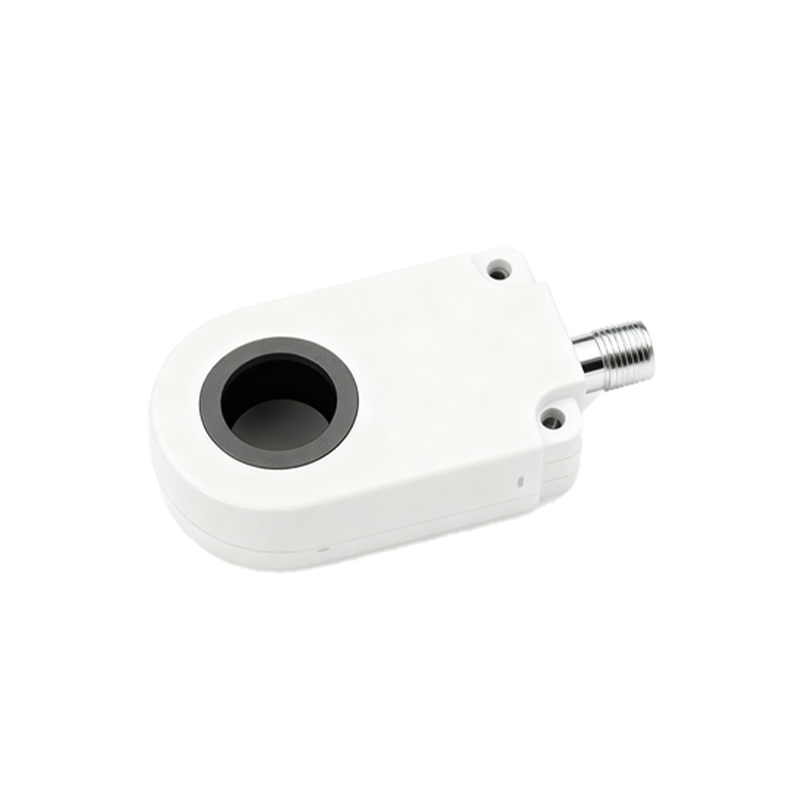
Photoelectric Sensors utilize light beams (visible red, infrared, or laser) for detection. They come in several main configurations: Through-beam (separate emitter and receiver), Retro-reflective (uses a reflector), and Diffuse (reflective), where the emitter and receiver are in the same housing. An object interrupts or reflects the light beam, causing the output to switch. They offer very long sensing ranges and can detect tiny objects. Photoelectric sensors are versatile and are widely used for object counting, bottle detection on fill lines, web break detection, and in cleanroom environments.
Magnetic Proximity Sensors are designed specifically to detect permanent magnets. The two primary kinds are Reed Switches, which use hermetically sealed ferromagnetic reeds that close in the presence of a magnetic field, and Hall Effect Sensors, which produce a voltage output when exposed to a magnetic field. They are extremely reliable for detecting the position of cylinders with embedded magnets (piston position in pneumatic cylinders), door/window position sensing, and in low-speed rotational encoding.
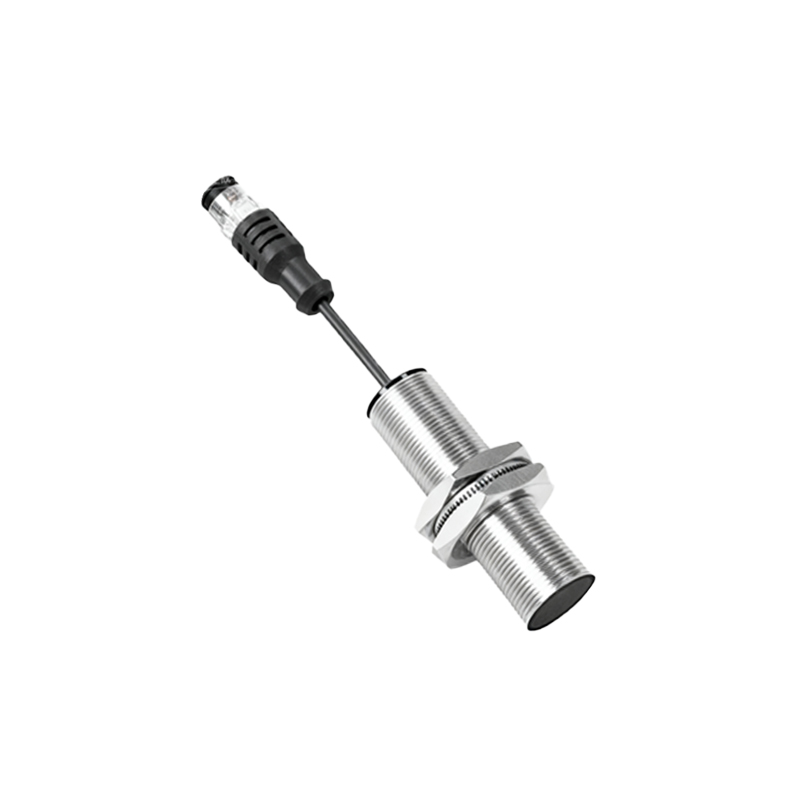
Selecting the right proximity sensor depends on several key factors: the target material (metal, plastic, liquid), the required sensing distance, the operating environment (temperature, presence of chemicals, washdown requirements), the output type needed (PNP/NPN, analog, IO-Link), and the physical size and mounting constraints.
In conclusion, proximity sensors form the essential sensory layer of modern industrial systems. From ensuring a robotic gripper has picked up a part to preventing overfill in a chemical tank, their silent, rapid, and reliable operation is foundational to automation, quality control, and operational safety. Understanding the distinct capabilities of inductive, capacitive, ultrasonic, photoelectric, and magnetic sensors allows engineers and technicians to design more efficient, resilient, and intelligent machinery and processes.