Proximity switch sensors are essential components in modern industrial automation, providing non-contact detection of objects with high precision and reliability. These sensors operate based on electromagnetic, capacitive, or inductive principles, allowing them to detect metallic or non-metallic targets without physical contact. The technical requirements for proximity sensors vary depending on the application, but several key factors must be considered to ensure optimal performance.
First, the sensing range is a critical parameter. It defines the maximum distance at which the sensor can detect an object. For inductive proximity sensors, typical sensing ranges range from 1 mm to 60 mm, depending on the target material and sensor size. Capacitive sensors offer slightly longer ranges, often up to 80 mm, and can detect non-metallic materials like plastics or liquids. It is crucial to select a sensor with an appropriate sensing range to avoid false triggers or missed detections. Environmental conditions also play a significant role in determining the effective sensing range, as factors like temperature, humidity, and electromagnetic interference can impact performance.
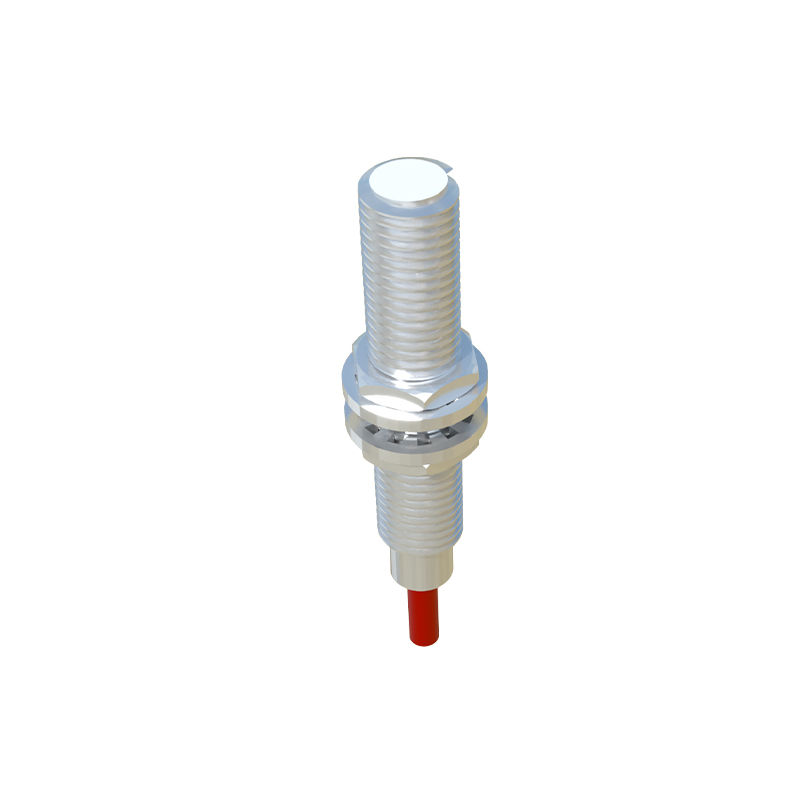
Second, the output type and electrical characteristics must align with the control system requirements. Proximity sensors commonly provide digital outputs, such as NPN (sinking) or PNP (sourcing) configurations, with voltage ratings typically between 10-30 V DC. Analog outputs, like 4-20 mA or 0-10 V signals, are used for continuous distance measurement applications. The load current capacity, response time, and switching frequency are additional electrical specifications that influence sensor selection. For high-speed applications, such as conveyor belt monitoring or robotic assembly, sensors with fast response times (e.g., less than 1 ms) and high switching frequencies (e.g., over 1 kHz) are necessary to maintain system efficiency.
Third, environmental durability is paramount in industrial settings. Proximity sensors must withstand harsh conditions, including exposure to dust, moisture, chemicals, and mechanical vibrations. Ingress Protection (IP) ratings, such as IP67 or IP69K, indicate the level of protection against solid particles and liquids. Sensors rated IP67 are dust-tight and can withstand temporary immersion in water, making them suitable for washdown environments in food processing or pharmaceutical industries. Additionally, materials like stainless steel housings or PTFE coatings enhance resistance to corrosion and abrasion, extending the sensor's operational lifespan.
Fourth, installation and mounting considerations affect sensor reliability. Proximity sensors are available in various form factors, including cylindrical, rectangular, or ring-shaped designs. Proper alignment with the target object is essential to avoid reduced sensing ranges or erratic behavior. Shielded sensors offer more flexibility in mounting, as they are less susceptible to interference from adjacent metal objects, while unshielded sensors provide longer sensing ranges but require careful positioning. Wiring and connection methods, such as pre-wired cables or quick-disconnect connectors, should also be evaluated for ease of maintenance and replacement.
Fifth, compliance with industry standards ensures safety and interoperability. Proximity sensors used in hazardous locations, such as explosive atmospheres, must meet certifications like ATEX or IECEx. For global markets, adherence to IEC 60947-5-2 for proximity switches or ISO 13849 for safety-related systems is often required. These standards define performance criteria, testing procedures, and marking requirements, helping engineers select sensors that meet regulatory and operational needs.
In summary, selecting the right proximity switch sensor involves a thorough analysis of technical requirements, including sensing range, output characteristics, environmental robustness, installation constraints, and regulatory compliance. By prioritizing these factors, engineers can enhance system reliability, reduce downtime, and optimize automation processes across diverse industrial applications, from automotive manufacturing to packaging machinery.