In the realm of industrial automation and control systems, metal proximity sensors stand as fundamental components for non-contact detection. These devices are engineered to identify the presence or absence of metallic objects without any physical contact, relying on electromagnetic fields or other sensing principles. Their operation is pivotal in countless applications, from manufacturing assembly lines to safety systems, where reliability, speed, and durability are paramount.
The most prevalent type is the inductive proximity sensor. It generates an oscillating electromagnetic field from its coil. When a metallic object enters this field, eddy currents are induced on the metal's surface, causing a change in the oscillation amplitude. This change is detected by the sensor's circuitry, which then triggers an output signal. Inductive sensors are exceptionally effective for detecting ferrous metals like steel and iron, though modern versions can also sense non-ferrous metals like aluminum, brass, and copper, albeit with a reduced sensing range. Their robustness against environmental contaminants like dust, oil, and coolant makes them ideal for harsh industrial settings.
Another significant category is the capacitive proximity sensor. While they can detect both metallic and non-metallic materials, their function with metals is highly reliable. These sensors work by generating an electrostatic field. The presence of a metallic object alters the capacitance of the field, which is measured to trigger detection. They are particularly useful in applications requiring detection through non-metallic barriers or for level sensing of conductive liquids.
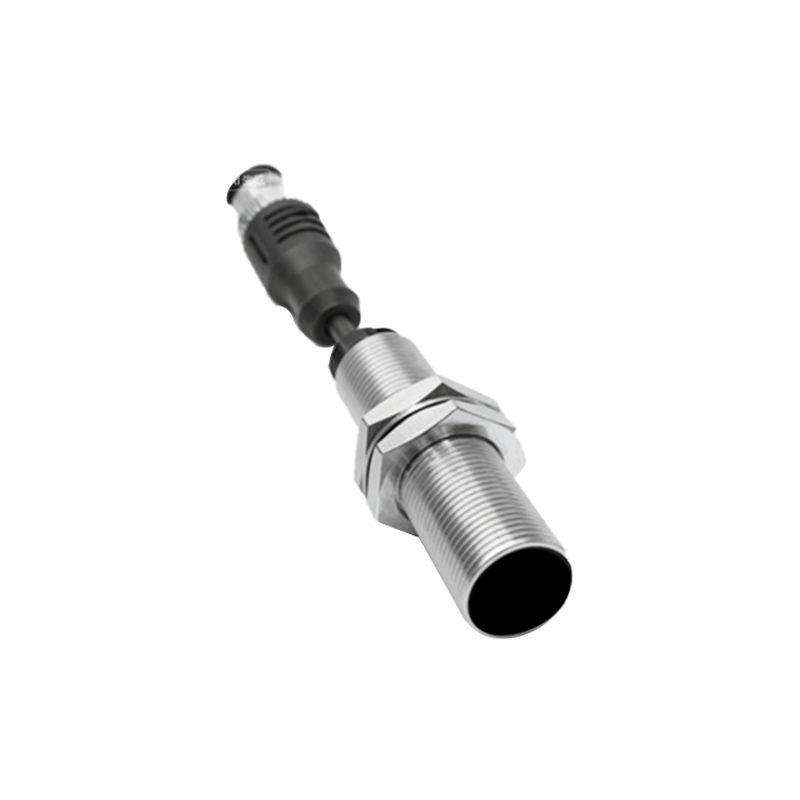
Key performance parameters define a sensor's suitability. The sensing range, typically a few millimeters to several tens of millimeters, is crucial. Engineers must consider the nominal sensing distance under standardized conditions and account for reduction factors for different metals. Response frequency indicates how quickly the sensor can detect objects passing by, a critical factor in high-speed production. Environmental ratings, notably the Ingress Protection (IP) code, ensure resilience against dust and water. Additionally, output types—whether NPN, PNP, analog, or IO-Link—must be compatible with the control system's PLC.
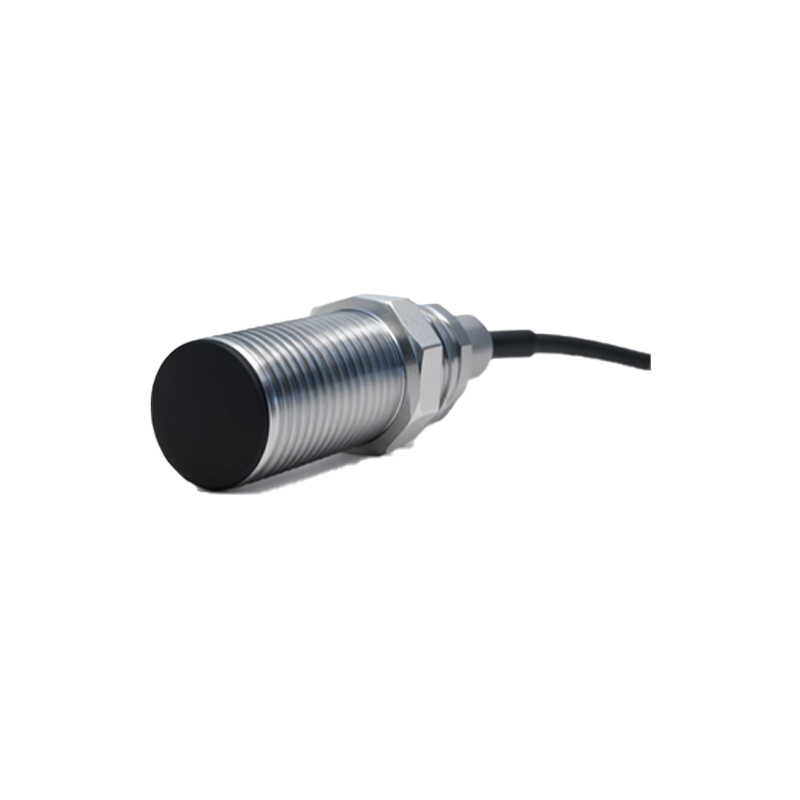
The applications are vast and varied. In automotive manufacturing, these sensors verify the presence of engine blocks or position robotic arms for welding. In packaging machinery, they count metal cans or confirm lid placement. Safety systems employ them as part of interlock mechanisms on machine guards, ensuring equipment only operates when access doors are securely closed. They are also integral in material handling for detecting metal pallets and in metalworking for tool breakage detection.
Selecting the right metal proximity sensor requires a meticulous analysis of the operating conditions. The first step is identifying the target metal type and its size, as this directly impacts the effective sensing range. The installation environment is next; factors like temperature extremes, potential for mechanical shock, and exposure to chemicals or welding spatter dictate the required housing material (often nickel-plated brass or stainless steel) and protection rating. Electrical characteristics, including supply voltage and output current capacity, must match the control circuit. For applications involving different metals or requiring precise distance measurement, analog output sensors provide a continuous signal proportional to the distance, offering greater flexibility than simple on/off switches.
Maintenance, though minimal, is essential for long-term reliability. Regular checks should verify the sensor's mounting integrity, as vibration can loosen fixtures. The sensing face must be kept clean from accumulated debris, metal chips, or coatings that could attenuate the electromagnetic field. Diagnosing issues often involves checking the indicator LED and measuring output signals with a multimeter to distinguish between sensor failure, wiring problems, or power supply issues.
Future trends point toward increased intelligence and connectivity. Sensors with IO-Link capability are gaining traction, allowing for bidirectional communication. This enables parameter setting, condition monitoring, and diagnostic data transmission directly to the control system, facilitating predictive maintenance and reducing downtime. Furthermore, miniaturization continues, allowing these sensors to fit into increasingly compact machinery without sacrificing performance.
In conclusion, metal proximity sensors are indispensable in modern industrial automation. Their ability to provide fast, reliable, and wear-free detection of metallic objects forms the backbone of efficient, safe, and automated processes. A deep understanding of their operating principles, types, and key selection criteria empowers engineers to design and maintain systems that maximize productivity and operational safety. As technology evolves, these sensors will become even more integrated and intelligent, further solidifying their critical role in the industrial landscape.