In the dynamic and demanding environment of construction and material transport, concrete mixer trucks stand as vital workhorses. Their operation, however, involves significant safety risks, particularly during the mixing drum's rotation and the vehicle's maneuvering in tight spaces. The integration of advanced proximity sensor technology has become a cornerstone in mitigating these risks and optimizing the entire mixing and pouring process. This article delves into the application, benefits, and selection criteria of proximity sensors specifically for concrete mixer trucks.
Proximity sensors in this context are non-contact electronic devices designed to detect the presence or absence of an object within a predefined range without physical contact. On a mixer truck, they are strategically deployed in several critical areas. The most crucial application is around the rotating mixing drum. Sensors are mounted to monitor the clearance between the drum and the truck's chassis or surrounding structures. This prevents catastrophic damage caused by the drum contacting the frame due to excessive load, imbalance, or mechanical failure. Furthermore, sensors are installed near the discharge chute to detect the position of the chute itself and to sense the presence of personnel or obstacles in the swing radius, automatically slowing or halting movement to prevent collisions.
Another vital application is in the water tank system. Sensors monitor water levels accurately, ensuring precise batching and consistency of the concrete mix. This automation eliminates guesswork and enhances the quality control process directly at the job site. Additionally, proximity sensors can be integrated into the truck's rear and side areas as part of a comprehensive obstacle detection system, alerting the driver to unseen hazards during reversing or tight turns on congested construction sites.
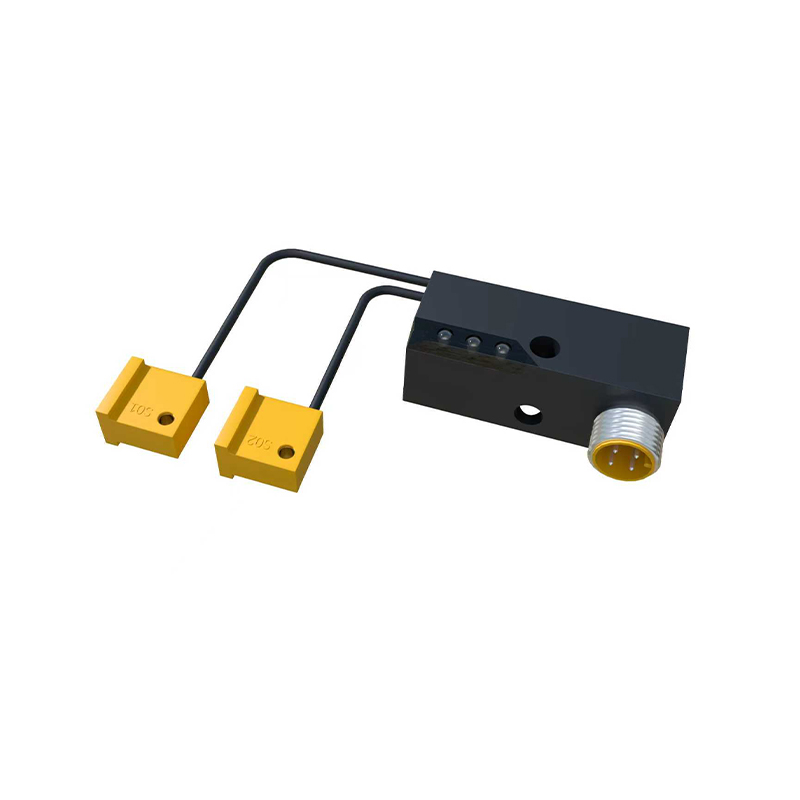
The operational benefits are substantial. Primarily, they drastically improve safety for ground personnel and the asset itself. By providing real-time feedback and enabling automatic shutdowns, they form a critical layer of protection against accidents. This leads to reduced downtime, lower repair costs, and minimized liability risks. Secondly, they enhance operational efficiency. Automated monitoring of drum position and water levels streamlines the workflow, reduces manual intervention, and ensures mix consistency, leading to less material waste and more reliable performance. The data from these sensors can also be logged for preventive maintenance, alerting operators to potential issues like bearing wear before they cause a breakdown.
Selecting the right proximity sensor for a mixer truck is paramount. The harsh operating conditions dictate specific requirements. The sensor must have a high Ingress Protection (IP) rating, typically IP67 or higher, to withstand relentless exposure to water, dust, concrete slurry, and high-pressure washing. It must be constructed from robust materials like stainless steel or similarly rugged housings to resist physical impacts and vibration. The sensing technology itself is also key. Inductive sensors are ideal for detecting the metal drum or chassis components. For non-metallic targets like personnel or the plastic water tank, capacitive or ultrasonic sensors are employed. The sensing range, response time, and output signal (e.g., PNP/NPN) must be compatible with the truck's existing control system.
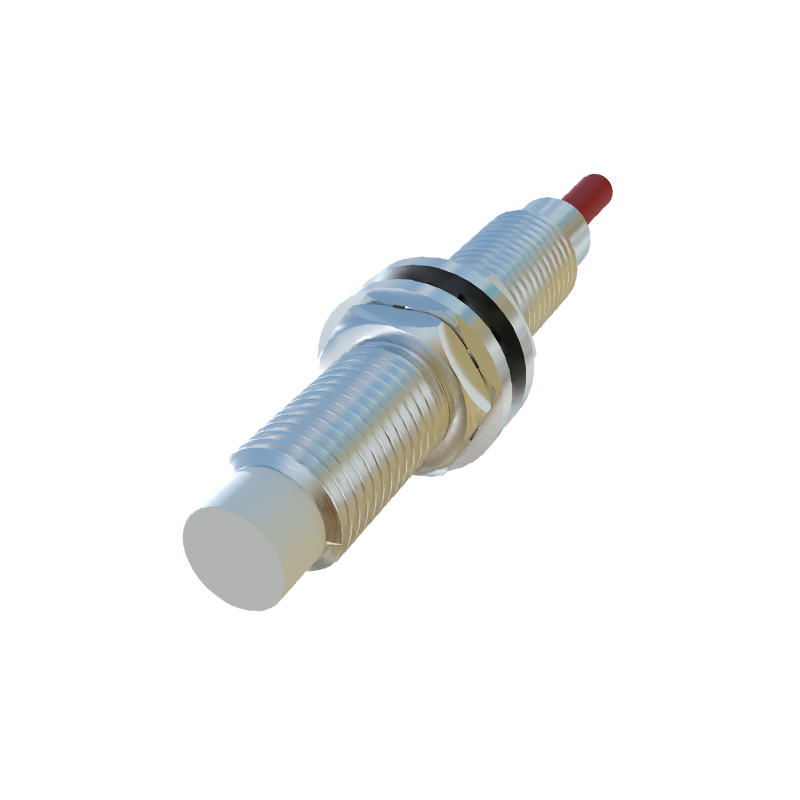
Installation and calibration are critical final steps. Sensors must be mounted securely in locations that provide an unobstructed view of the target while being somewhat shielded from direct impact from flying debris. Regular maintenance, including cleaning the sensing face and checking for physical damage, is essential for reliable long-term operation. As technology advances, we are seeing the integration of IoT-enabled sensors that can transmit operational data to fleet management systems, enabling predictive analytics and centralized monitoring of an entire fleet's health and safety status.
In conclusion, proximity sensors are no longer optional accessories but essential safety and efficiency components on modern concrete mixer trucks. They form an intelligent shield around moving parts, transforming a powerful but potentially hazardous machine into a smarter, safer, and more productive asset. Their continued evolution and integration with broader telematics systems promise even greater advancements in construction site safety and operational intelligence. Investing in robust, well-suited proximity sensing solutions is a clear step toward reducing risk, protecting capital, and enhancing the overall reliability of concrete delivery operations.