Micro proximity sensors represent a critical advancement in industrial automation, offering precise non-contact detection capabilities in compact form factors. These sensors are engineered to detect the presence or absence of objects within a defined sensing range without physical contact, utilizing technologies such as inductive, capacitive, or photoelectric principles. For engineers and project managers embarking on a micro proximity sensor integration project, understanding key specifications and application parameters is essential for ensuring optimal performance and reliability.
The core of any micro proximity sensor project lies in selecting the appropriate sensing technology. Inductive sensors are ideal for detecting metallic objects, commonly employed in metalworking, automotive assembly, and machinery where ferrous or non-ferrous metals must be monitored. Capacitive sensors, on the other hand, can detect both metallic and non-metallic materials, including liquids, plastics, and granules, making them suitable for packaging, food processing, and chemical industries. Photoelectric micro sensors use light beams to detect objects, offering longer sensing distances and versatility for transparent or colored materials, often applied in electronics manufacturing and material handling systems.
Key project considerations include sensing range, response time, output configuration, and environmental durability. Micro proximity sensors typically feature sensing distances from a few millimeters up to several centimeters, with high-speed response times in the microsecond range, crucial for high-cycle automation tasks. Outputs may include digital signals (PNP/NPN), analog signals (4-20mA, 0-10V), or IO-Link for smart sensor communication, enabling seamless integration with PLCs (Programmable Logic Controllers) and industrial networks. Enclosure ratings, such as IP67 or IP69K, ensure resistance to dust, moisture, and harsh conditions, which is vital for projects in challenging environments like washdown areas or outdoor installations.
Installation and alignment are critical phases in a micro sensor project. Proper mounting, using brackets or threaded housings, minimizes mechanical stress and avoids interference from adjacent metal surfaces or electrical noise. Calibration should account for target material, size, and orientation, as these factors influence sensing accuracy. For instance, inductive sensors may require adjustments based on the metal type, while capacitive sensors need tuning for dielectric constants. Regular maintenance, including cleaning lens surfaces for photoelectric sensors or checking for wear in industrial settings, prolongs sensor lifespan and prevents downtime.
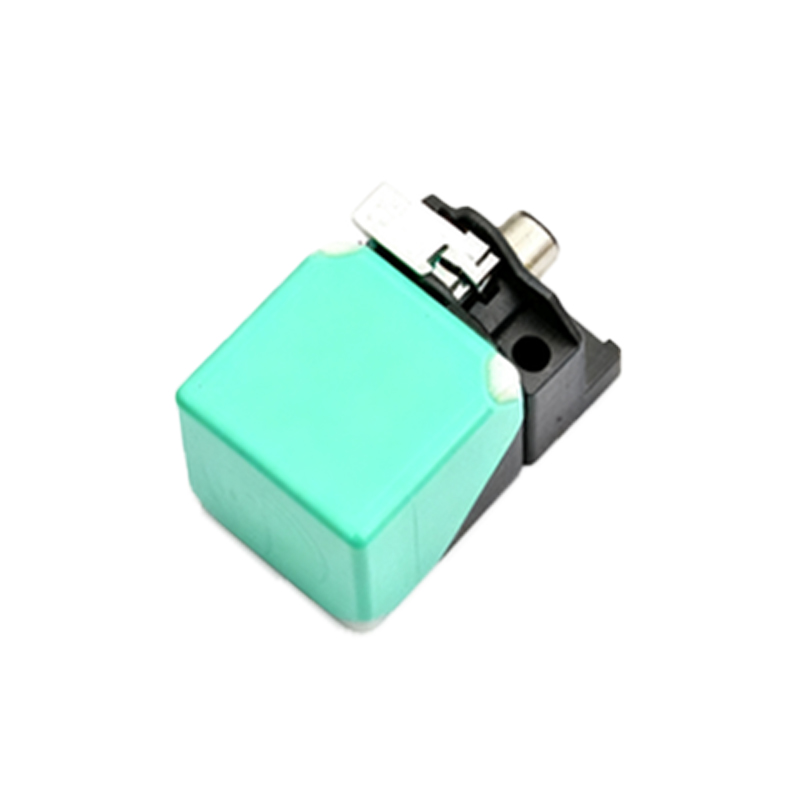
Emerging trends in micro proximity sensor projects involve the integration of Industry 4.0 features, such as predictive diagnostics and data logging via IoT (Internet of Things) connectivity. Smart sensors with embedded intelligence can monitor their own health, detect anomalies, and communicate with central systems for proactive maintenance, enhancing overall project efficiency. Additionally, miniaturization continues to drive innovation, allowing sensors to fit into tighter spaces in robotics, medical devices, and consumer electronics without compromising performance.
In summary, a successful micro proximity sensor project demands thorough planning around technology selection, specifications, and application needs. By leveraging these insights, engineers can deploy reliable sensing solutions that improve automation accuracy, reduce operational costs, and support advanced industrial systems. Always refer to manufacturer datasheets and industry standards, such as IEC 60947-5-2, to ensure compliance and safety in your projects.