In the intricate landscape of industrial automation and process control, water level proximity sensors stand as critical components ensuring operational efficiency, safety, and reliability. These devices, designed to detect the presence or absence of water or other conductive liquids at a specific distance without physical contact, are integral to a wide array of applications, from wastewater treatment plants to HVAC systems and manufacturing facilities. Their primary function is to provide real-time, accurate data on liquid levels, enabling automated systems to make informed decisions, prevent overflows, and optimize resource usage.
The operational principle of water level proximity sensors typically hinges on capacitive or inductive sensing technologies. Capacitive sensors, for instance, detect changes in capacitance caused by the proximity of water, which has a high dielectric constant. When water approaches the sensor's active face, it alters the electrostatic field, triggering a switch signal. This non-contact method eliminates issues like corrosion, mechanical wear, and contamination that plague traditional float switches or conductive probes. Inductive sensors, while less common for pure water due to its non-metallic nature, are employed in scenarios involving conductive fluids or when metallic tank walls are involved, relying on electromagnetic field disturbances for detection.
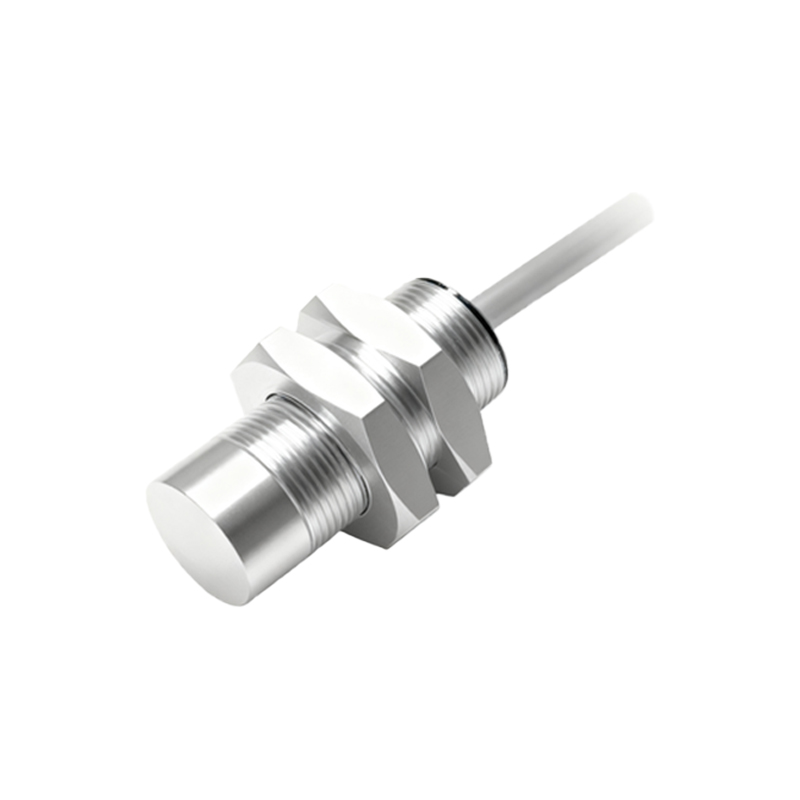
One of the key advantages of these sensors is their versatility. They can be configured for point-level detection, where they signal when water reaches a predetermined high or low level, or for continuous monitoring, providing a variable output corresponding to the exact water height. This flexibility makes them suitable for diverse tasks such as pump control in sumps, leak detection in basements, coolant level monitoring in machining centers, and liquid interface detection in separation tanks. In critical environments like power generation plants or chemical processing units, they serve as fail-safes, initiating alarms or shutdown procedures if levels deviate from safe parameters, thereby averting potential equipment damage or hazardous spills.
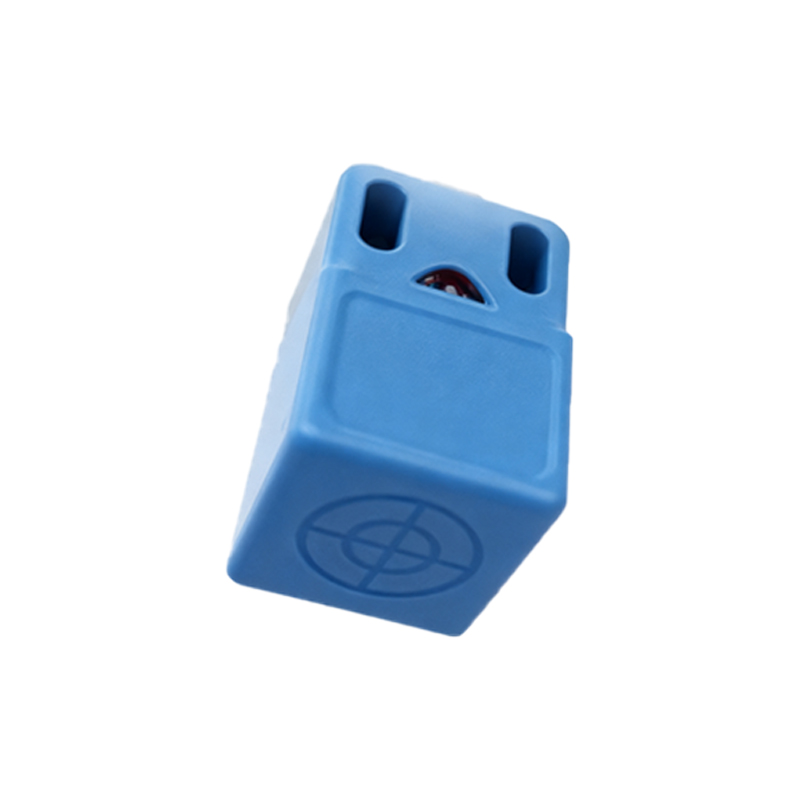
Installation and maintenance considerations are paramount for optimal performance. Factors such as sensor mounting position, material compatibility (e.g., using corrosion-resistant housings like stainless steel or PEEK for aggressive liquids), and environmental conditions (temperature, pressure, and electrical noise) must be carefully evaluated. Modern sensors often feature robust designs with IP67 or higher ingress protection ratings, ensuring durability in harsh, wet environments. Additionally, advancements in smart sensor technology have led to integrated diagnostics, self-calibration capabilities, and communication protocols like IO-Link, facilitating seamless integration into Industrial Internet of Things (IIoT) networks for predictive maintenance and data analytics.
Despite their sophistication, challenges persist. Foam, turbulence, or varying fluid compositions (e.g., changes in salinity or contamination) can affect sensing accuracy, necessitating proper sensor selection and tuning. Engineers must also account for factors like sensor dead zones and response times to avoid false triggers. Regular calibration and testing are recommended to uphold precision, especially in safety-critical applications.
In summary, water level proximity sensors are indispensable tools in modern engineering, bridging the gap between fluid management and automated control. By offering non-contact, reliable detection, they enhance system longevity, reduce downtime, and contribute to sustainable operations through efficient water usage. As industries evolve toward greater automation and connectivity, the role of these sensors will only expand, driven by innovations in sensitivity, miniaturization, and intelligent functionality. For professionals in electrical and process engineering, mastering their application is essential for designing resilient and efficient systems.