Capacitive proximity sensors are fundamental components in modern industrial automation and control systems. Unlike their inductive counterparts which detect only metallic objects, capacitive sensors can detect a wide range of materials, including liquids, powders, plastics, glass, and wood. This versatility makes them indispensable for a vast array of applications, from level detection in silos to product presence verification on packaging lines. Their operation is based on the principle of capacitance change. Essentially, a capacitive sensor functions as one plate of a capacitor, with the target object acting as the other plate. The sensor generates an electrostatic field. When a target enters this field, it alters the dielectric constant and thus the capacitance of the system. The sensor's internal oscillator circuit detects this change, triggering a solid-state output switch.
The core components include an oscillator, a sensing surface (electrode), a demodulator, and an output circuit. The sensing surface is critical; its size and shape often determine the sensor's nominal sensing range. It's important to note that the actual sensing distance (Sn) can be influenced by the target material's properties. For instance, water has a high dielectric constant, allowing for longer detection ranges, while plastics like PVC have a lower constant, reducing the effective range. This is why many capacitive sensors feature a potentiometer for sensitivity adjustment, allowing technicians to "tune out" background interference, such as a container wall, and focus on the target material inside.
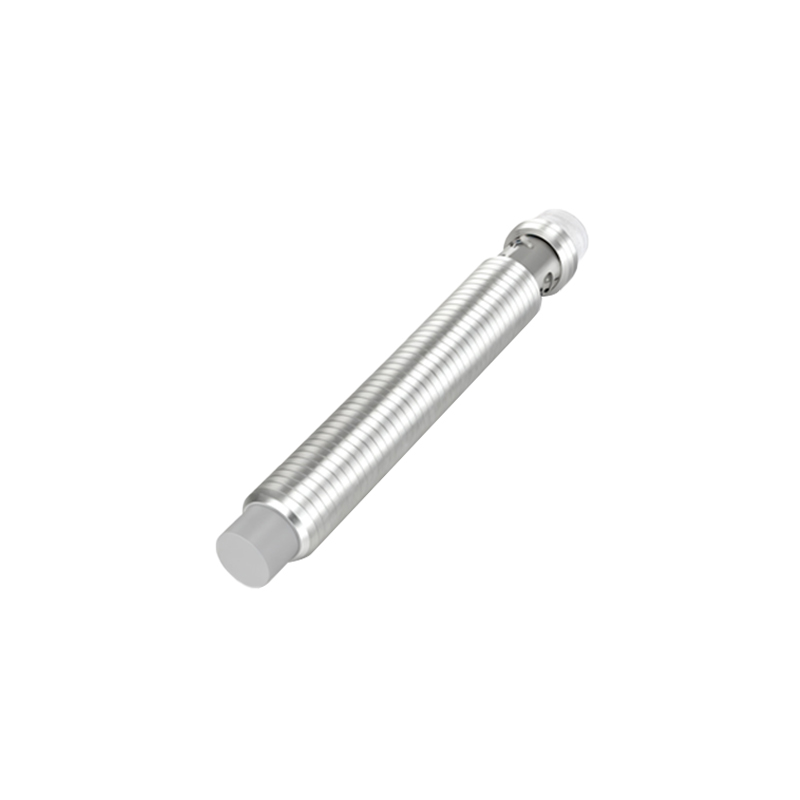
The applications for capacitive proximity sensors are extensive. A primary use is in level detection and control. They are mounted on the exterior of tanks, hoppers, or silos to detect the presence or absence of materials like granules, liquids, or powders without direct contact, preventing contamination and sensor wear. In packaging machinery, they verify the presence of bottles (glass or plastic), cartons, or labels on a conveyor. In the wood and paper industry, they detect stacked sheets or monitor roll diameters. Furthermore, they are used in safety systems, such as detecting a person's hand near a hazardous area, though specialized safety-rated devices are required for such critical functions.
Selecting the right capacitive sensor requires careful consideration of several parameters. First, determine the target material and its dielectric constant to estimate the necessary sensing range. The sensor housing is another key factor; cylindrical (threaded barrel) and rectangular shapes are common, with materials like nickel-plated brass, stainless steel, or PBT plastic chosen based on the environmental conditions (e.g., washdown, chemical exposure). The output type must match the controller input; options include NPN (sinking), PNP (sourcing), NO (normally open), or NC (normally closed) configurations. Operating voltage, typically 10-30V DC or 20-250V AC, must be compatible with the plant's power system. For challenging environments, look for features like embedded LED status indicators, short-circuit and reverse polarity protection, and high IP (Ingress Protection) ratings like IP67 or IP69K for dust and water resistance.
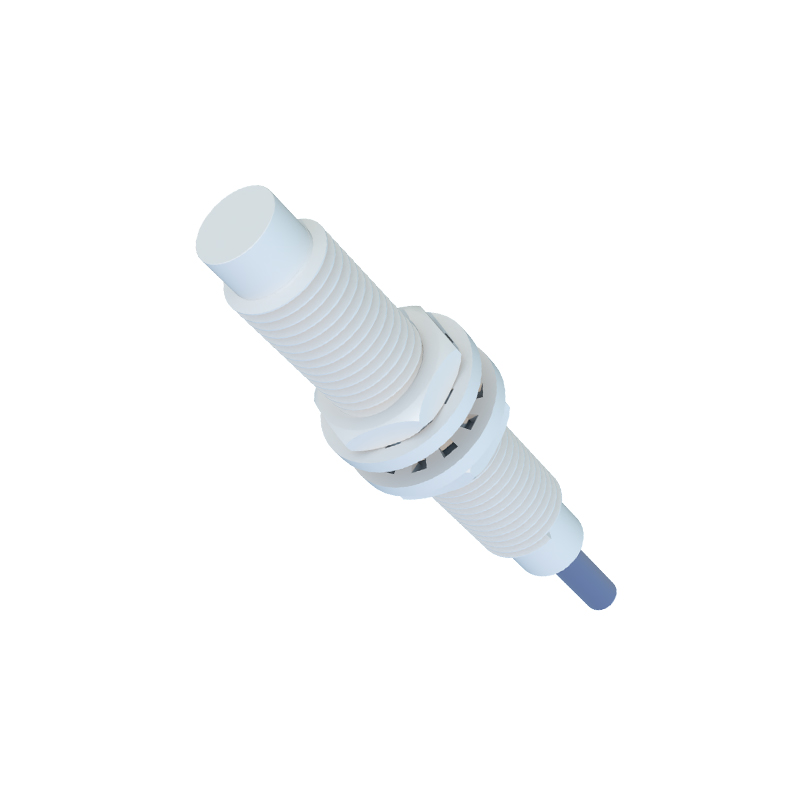
Installation and commissioning are straightforward but demand attention to detail. Ensure the sensor is mounted securely and that the sensing field is not influenced by surrounding conductive materials, which can cause false triggering. The sensitivity adjustment is a crucial step. Start with the potentiometer at minimum sensitivity, then gradually increase it until the sensor reliably detects the target, while ensuring it does not activate due to the background or container. For level sensing applications, it is often necessary to adjust the sensor so it ignores the thin tank wall and only reacts to the material level change inside.
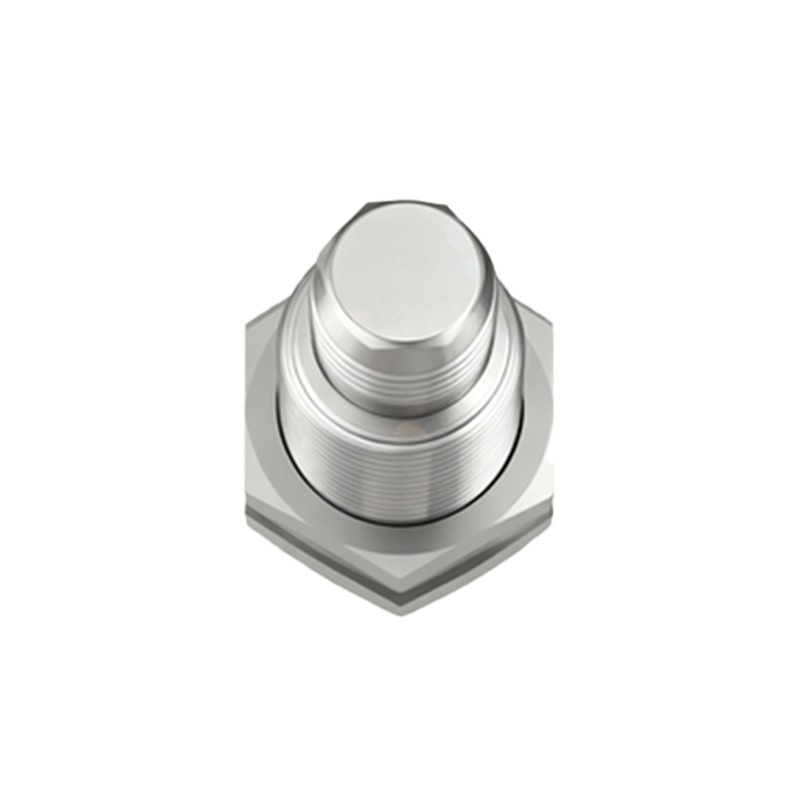
In summary, capacitive proximity sensors offer a reliable, non-contact solution for detecting diverse materials in industrial settings. Their ability to sense through non-metallic walls and their adjustable sensitivity provide significant flexibility. By understanding their operating principle, key specifications, and proper installation techniques, engineers and technicians can effectively integrate these robust devices to enhance automation processes, improve efficiency, and ensure consistent quality control across numerous industries, from food and beverage to pharmaceuticals and automotive manufacturing.