Proximity switch cylinder sensors, often referred to as cylinder position sensors or magnetic proximity sensors for cylinders, are fundamental components in modern pneumatic and hydraulic systems. These devices are engineered to detect the precise position of a piston within a cylinder, providing critical feedback for control systems in automated machinery. Their primary function is to confirm whether the piston rod is in the retracted or extended position, enabling sequential operations, safety interlocks, and process monitoring.
The operational principle is elegantly simple yet highly reliable. A permanent magnet is typically embedded in the piston. As the piston moves along the cylinder barrel, the magnetic field interacts with a reed switch or solid-state Hall effect sensor mounted externally on the cylinder body. When the magnet aligns with the sensor, the switch changes state—either opening or closing an electrical circuit. This state change sends a discrete signal to the programmable logic controller (PLC), indicating the cylinder has reached a specific endpoint or intermediate position.
Several key technologies dominate the market. Reed switch-based sensors are cost-effective and robust, utilizing hermetically sealed glass tubes with ferromagnetic contacts. However, they may have limitations in switching speed and durability under high-cycle conditions. Hall effect sensors, which detect changes in magnetic field strength, offer faster response times, higher switching frequencies, and exceptional longevity, making them ideal for demanding high-speed automation. More advanced versions incorporate ASIC (Application-Specific Integrated Circuit) technology for enhanced noise immunity and diagnostic capabilities.
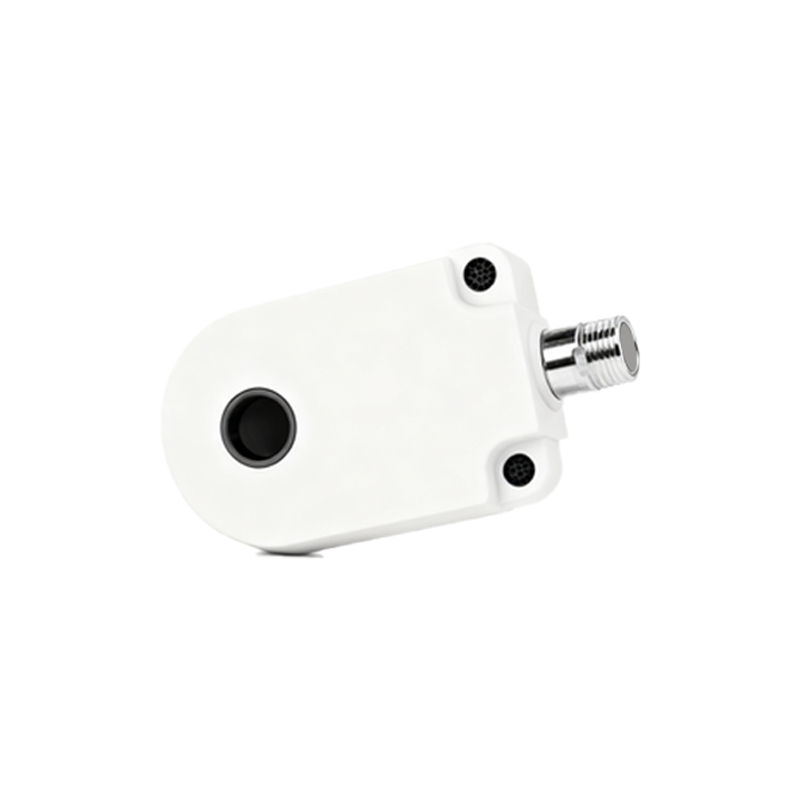
Selecting the appropriate sensor requires careful consideration of multiple application parameters. Electrical characteristics such as voltage (commonly 10-30V DC or 90-250V AC), current rating, output type (PNP/NPN, NO/NC), and connection method (pre-wired, quick-disconnect) must match the control system. Mechanical factors include the cylinder's bore size, mounting style (e.g., slot mount, bracket mount), and the required sensing position accuracy. Environmental conditions are equally critical; sensors are rated with IP (Ingress Protection) codes for dust and water resistance, and must withstand ambient temperature ranges, vibration, and potential exposure to oils or coolants.
Installation and alignment are straightforward but demand precision. The sensor must be securely fastened at the correct longitudinal position on the cylinder. For non-embedded sensors, adjustable mounting brackets facilitate fine-tuning. Proper alignment between the sensor and the piston's magnet is essential for consistent operation; misalignment can lead to unreliable sensing or reduced sensing distance. Many modern cylinders feature integrated sensor grooves or slots that simplify this process.
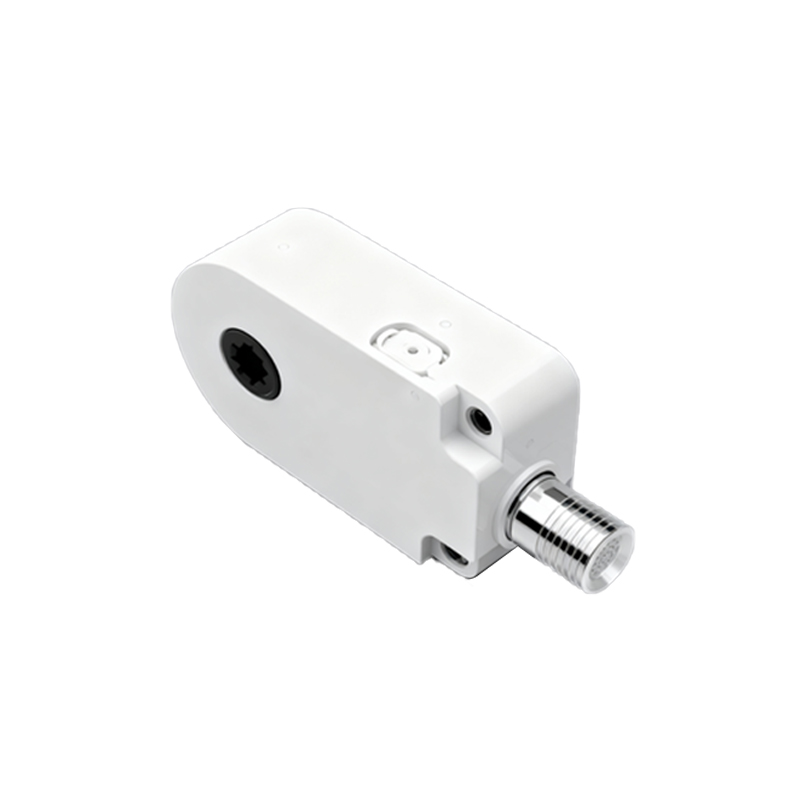
The integration of these sensors into broader control architectures is a cornerstone of Industry 4.0. By providing real-time positional data, they enable precise machine sequencing, prevent collisions in multi-axis systems, and contribute to condition monitoring. Predictive maintenance strategies leverage data from these sensors to alert operators to slowing cylinder stroke times—a potential indicator of insufficient lubrication or system wear—before a failure causes unplanned downtime.
In summary, proximity switch cylinder sensors are indispensable for achieving reliable, efficient, and safe automation. Their evolution continues, with trends pointing toward miniaturization, increased intelligence with IO-Link communication for parameterization and diagnostics, and higher resilience in extreme industrial environments. Proper selection, installation, and integration empower engineers to build robust systems that maximize productivity and operational insight.